Nutrition in Afghanistan
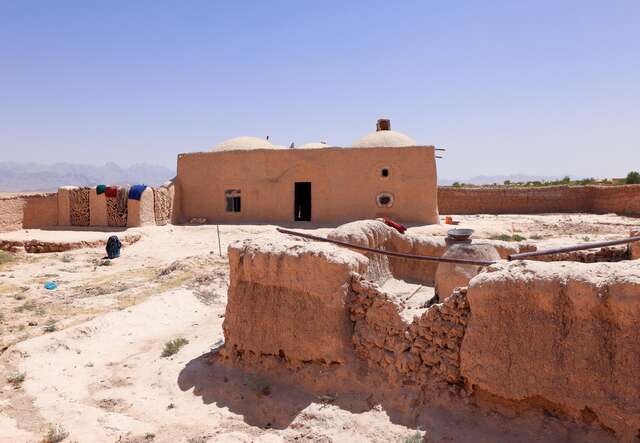
Three years ago, Afsana and her family were forced to leave their rented home in Shindand Bazaar, a central hub for commerce in western Afghanistan, because of rising conflict and prices. "We had no money, no house, nothing," she recalls. Out of options, they settled in a remote village in Herat—far from hospitals and markets. With no nearby water source and a multi-year drought making farming impossible, Afsana found her own way to keep the family going.
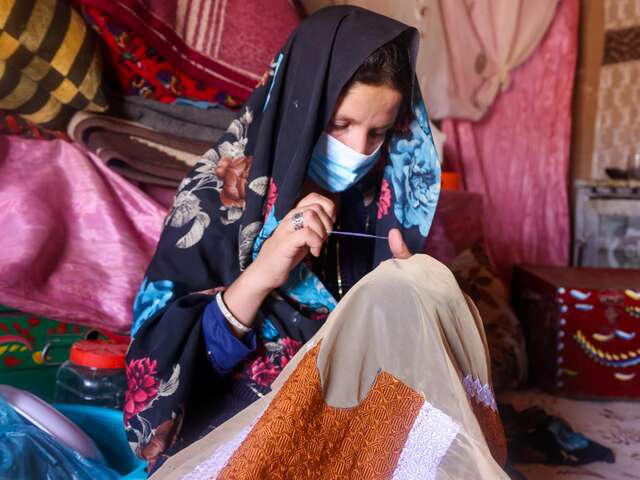
She sews Yakhan Dowzi — a traditional Afghan collar embroidery done entirely by hand. "It takes two to three months to complete one piece,” she says, explaining the arduous process. “For each one, I receive sometimes as little as 600 AFN (€8)." When the income from embroidery is not enough, she borrows flour from her mother-in-law and yogurt from neighbours for her four children—often going without any food herself.
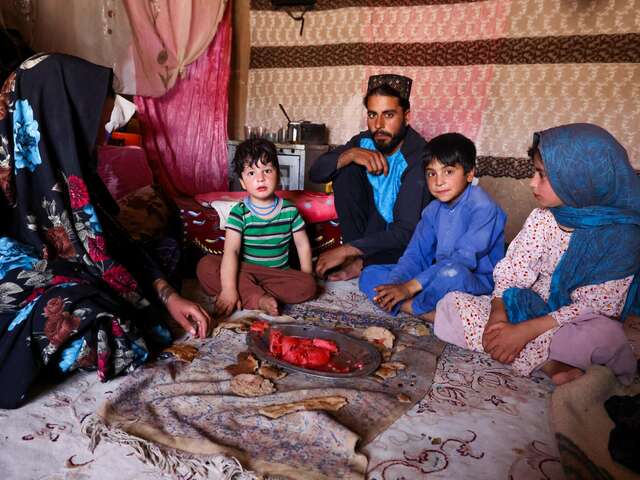
When her seven-month-old son Sahil began losing weight and growing weaker by the day, Afsana recognized the signs immediately. Her first son, Allawaddin, had died of malnutrition at six months old. "I said to myself, this one will also die,” she said. “He became severely wasted, his body grew extremely thin and weak and he continued to lose weight.”
She had been alone with Allawaddin in the city during Eid al-Adha, without family, without money for transport back home, watching him grow worse. "He had become so thin, so thin that you wouldn't recognize him—as though he was already dead, that's how thin he was."
After that experience, seeing Sahil decline in the same way was devastating. Private doctors were expensive, and going to the nearest clinic in the city required her putting up a significant sum just for transport — and Afsana did not have enough money for either. "I swear to God, I cry when Sahil cries. When I don't have money, and he is sick," she explained, recounting how she felt watching him suffer. She did what she could—borrowing powdered milk one box at a time from neighbours and the pharmacy—but it was not enough. Sahil kept losing weight.
Around this time, a community health worker visited her mother's home and told her about an IRC clinic that had been set up in the village. Accompanied by her aunt, Afsana went soon after. "I felt happiness and hope that the doctor and the clinic would provide for my child," she says, remembering her first visit.
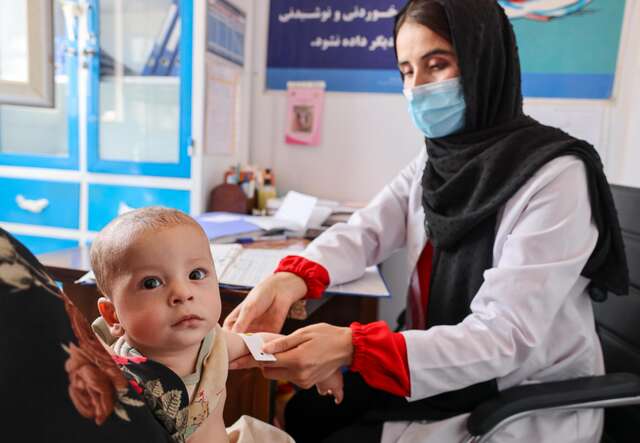
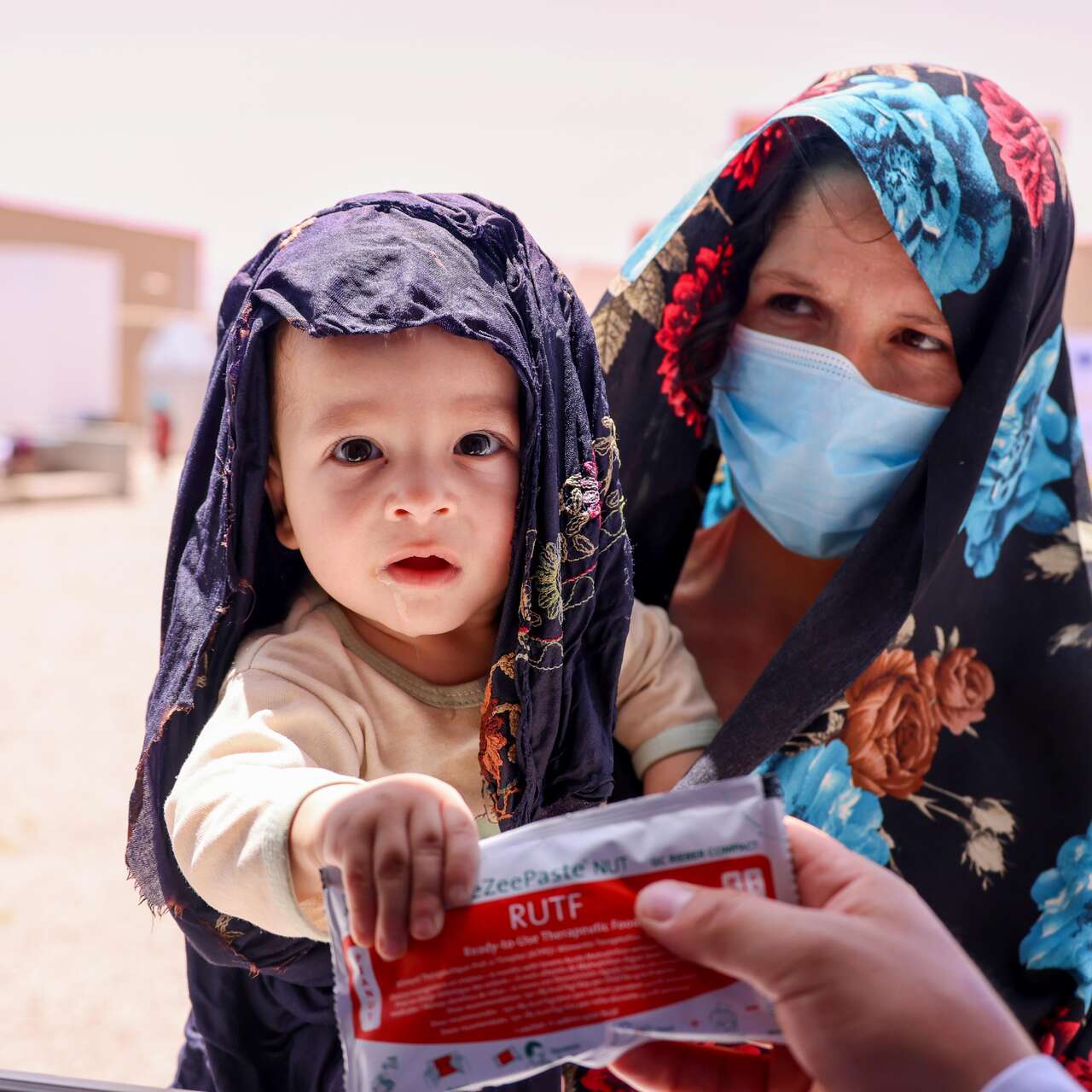
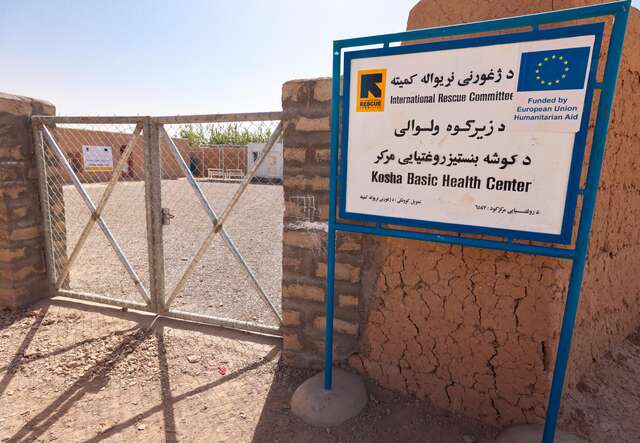
At the EU-funded clinic, Sahil was registered and examined. He was diagnosed with acute malnutrition and promptly enrolled in treatment. The doctors provided ready-to-use therapeutic food (RUTF), micronutrient supplements, and routine medication, along with clear instructions for Afsana on how to continue his care at home. The IRC staff also scheduled regular follow-up visits to monitor his recovery.
Over the next two months, Afsana returned regularly, her registration card filling up with visits. At home, the change was visible. “When I give him the therapeutic food as instructed, Sahil eats well, becomes calmer, and peacefully falls asleep,” she says.
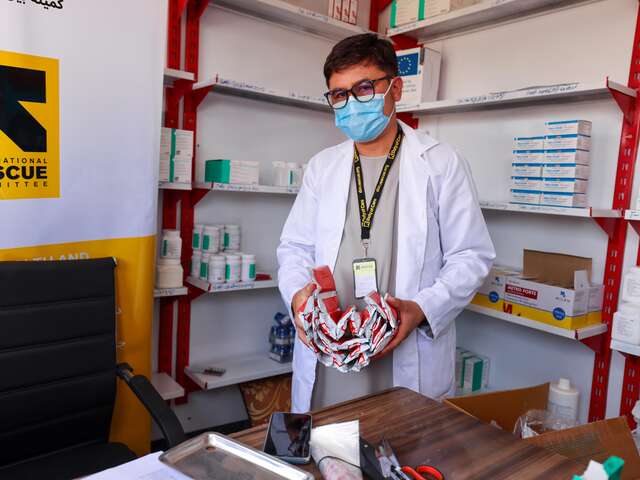
During one of her visits, Afsana also mentioned a severe toothache she had been managing alone—pressing salt against her jaw through sleepless nights because she had no money for treatment. The clinic prescribed her medication, and eventually she was healed, no longer needing to endure her pain through the night.
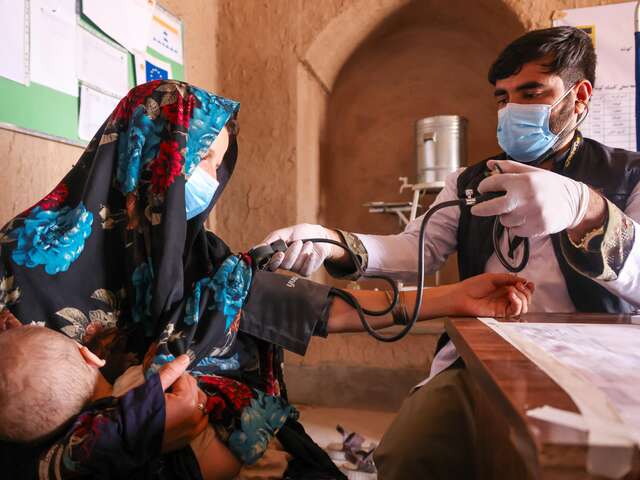
Today, Sahil has recovered. "Because of these supplies from the clinic, he's so much better," Afsana watches him closely now, and when he laughs, she says, "I feel so happy." He has started babbling, calling out to her with his own word for mother. "He says “Adi, Adi”—it means mother," she says, a smile breaking out on her face. "My heart is filled with joy."
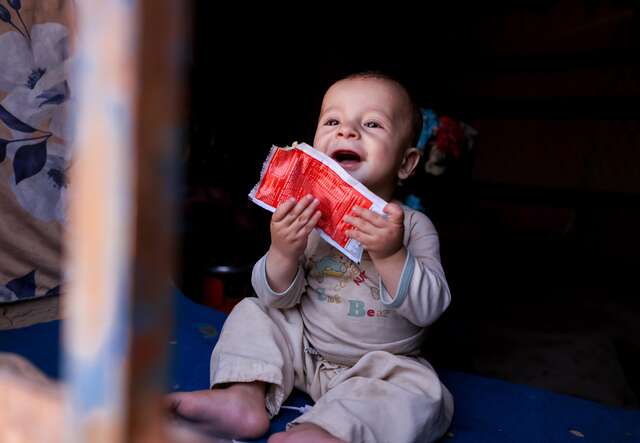
She has plans for him now, plans she could not let herself make when he was sick. "As my child grows up, I will send him to school so that he may become a doctor, go to the clinic, or become a businessman — someone important in the future who can improve his living conditions. That is my wish for him," says Afsana.
Across Afghanistan's Herat province, the IRC delivers an integrated health and nutrition response with support from the European Union. Through four static health facilities and one mobile health and nutrition team, the IRC brings free primary care, nutrition treatment, and follow-up services to displaced persons, returnees, and host communities in some of the most remote and underserved areas of the country.
The program also integrates protection services and education in emergencies, recognizing that children and families need more than medicine to rebuild stable lives. Built on the IRC's existing presence in the region and designed to strengthen local health systems and community ownership, the IRC model ensures that geography and lack of funds are not the deciding factors in whether a child survives.
The International Rescue Committee partners with the European Union to provide life-saving support to people caught in conflict and disasters around the world. Our work funded by the EU enables people to survive, recover and rebuild their lives.