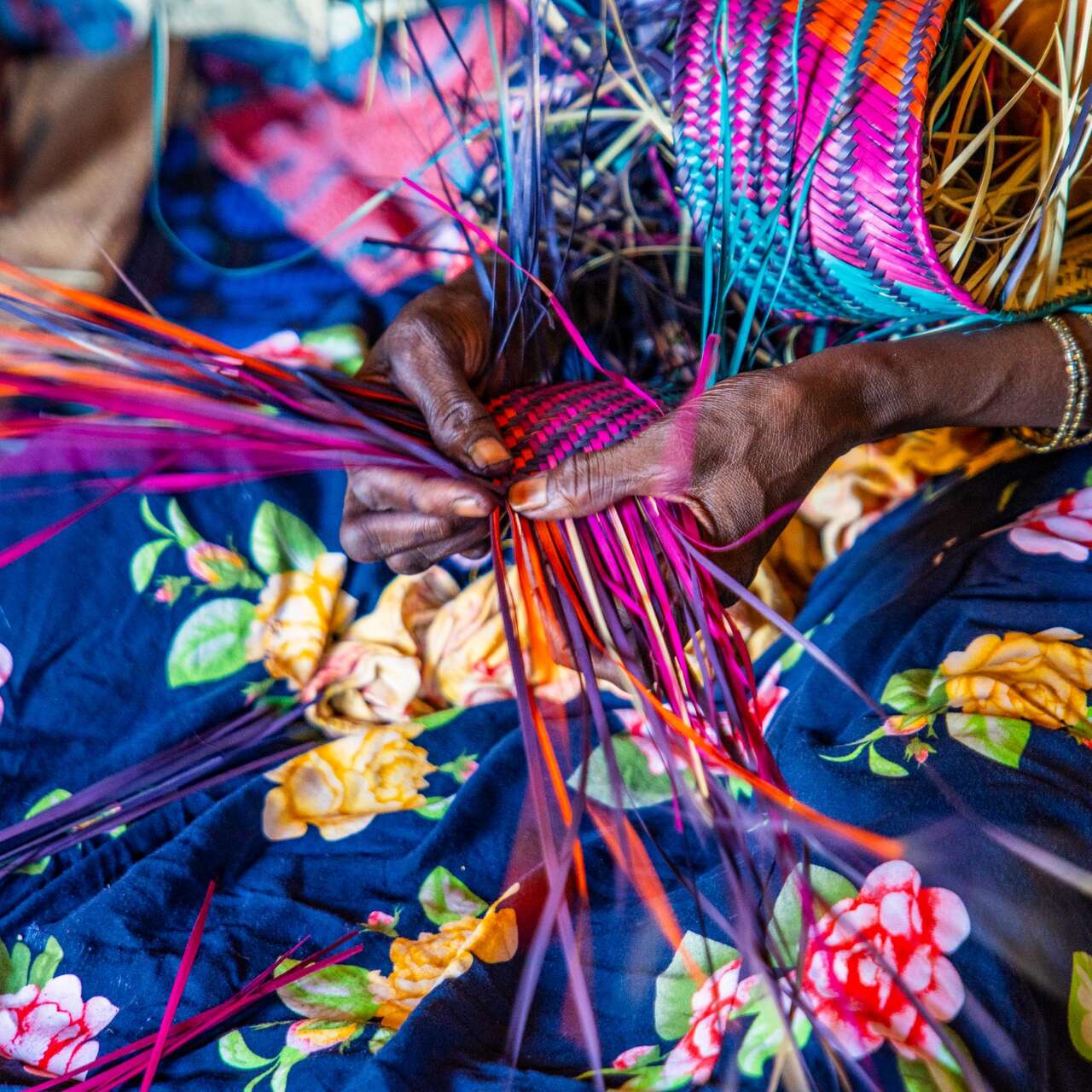
Exhibition - Mali
Among the top 10 countries on the IRC’s 2026 Emergency Watchlist, Mali is facing one of the world’s most alarming yet underreported humanitarian crises. The photo exhibition “In Their Eyes” brought this complex reality to audiences in Brussels through the faces and stories of those living it every day.
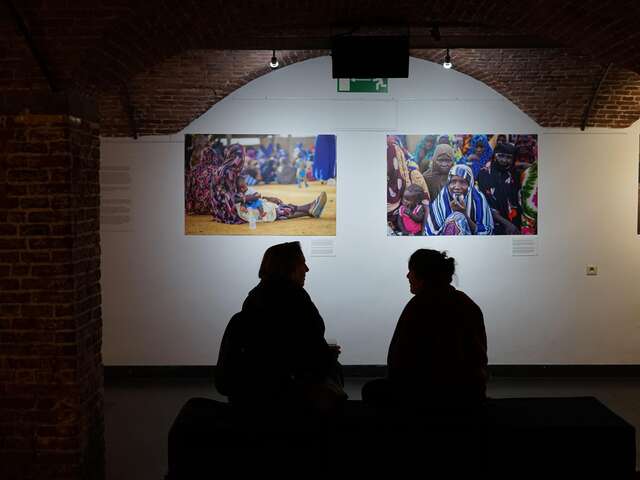
Hosted at Halles Saint-Géry from 23 January to 12 February 2026, the exhibition was organised by the International Rescue Committee (IRC), Action Contre la Faim, the Danish Refugee Council, the International Medical Corps, Médecins du Monde Belgique, the Norwegian Refugee Council and Première Urgence Internationale, with support from the European Union.
It featured photographs taken in September 2025 by Malian multimedia artist and teacher-researcher Tiécoura N’Daou.
Through intimate portraits and scenes of daily life, it highlighted both the scale of the crisis and the beauty, strength and dignity of the people of Mali.
Mali is currently experiencing one of the world’s most alarming, least publicised, and least supported humanitarian crises: a situation likely to worsen in 2026 according to the IRC.
For several months, armed groups have been extending their control along major roads, destabilising markets and isolating entire communities. Fuel shortages are impacting hospitals, healthcare infrastructure, and the education system. This is compounded by forced displacement, climate shocks, and ongoing armed conflict, particularly in the north and centre of the country.
Today, 6.4 million people in Mali are in need of humanitarian assistance and protection. More than 400,000 people are internally displaced, the majority of whom are women and children. 1.5 million people are facing a food crisis, and 1.5 million children under the age of five are suffering from acute malnutrition. In 2024, more than 35,000 human rights violations were recorded nationwide (including killings, forced displacement and restrictions on movement), disproportionately affecting women and children.
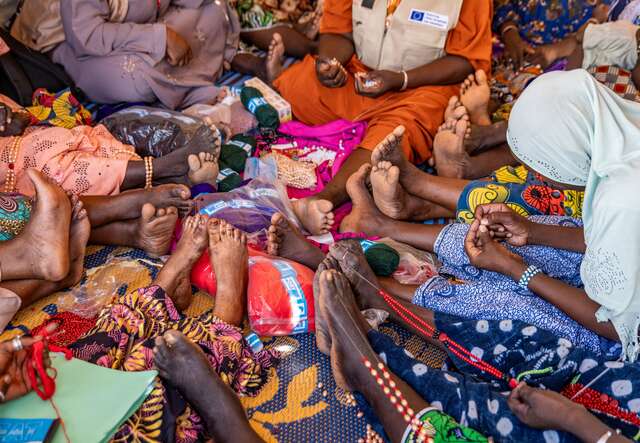
Millions of people in Mali struggle to reach essential services such as healthcare, food, safe water and shelter every day.
The temporary photo exhibition “In Their Eyes: A Human Lens on the Humanitarian Crisis in Mali” invited Brussels’ visitors to experience this crisis through the eyes of the people who endure it and of the humanitarian workers who stand alongside them.
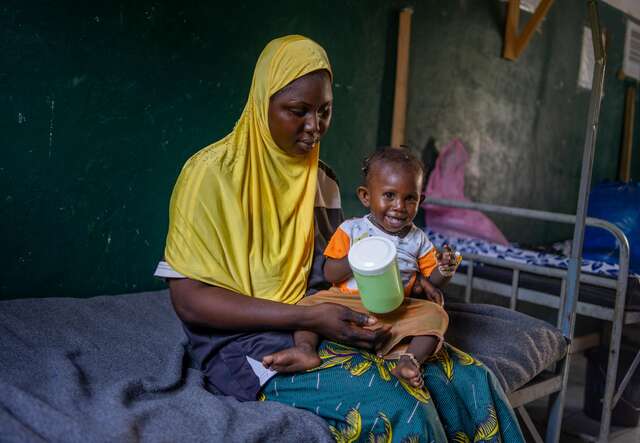
Each of the 33 images featured was rooted in a specific person’s story: a family provider facing drought and failed harvests, a pregnant woman preparing to give birth, a baby who smiles again after recovering from malnutrition. All of these individual stories reflect a wider truth of how people, who have lived through the life-altering shocks of conflict, displacement, climate disasters and resource shortages, continuously find ways to adapt, to rebuild livelihoods and dream about their children’s futures.
Across the exhibition, visitors could also notice the quiet presence of humanitarian workers stepping in to provide assistance and guidance to those who need it most.
Indeed, beyond the struggle and courage of the people of Mali, some of the photos revealed the incredible dedication of community volunteers, doctors, psychologists, social workers and other frontline workers who show up tirelessly when they often share the same harsh conditions as the people they support.
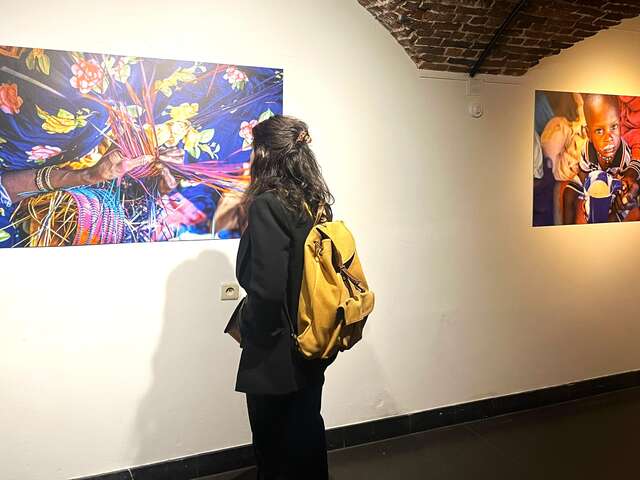
“In their Eyes” and Tiécoura N’Daou’s photos turned statistics into human stories of survival, hope and quiet resistance, allowing passers-by to bear witness to loss and forced displacement as well as everyday acts of courage, solidarity and dignity.
This exhibition, brought to the heart of Brussels directly from Mali, called upon us to question what it really means to look, to listen and to care about people living through crisis thousands of kilometers away in an interconnected world.
The International Rescue Committee partners with the European Union to provide life-saving support to people caught in conflict and disasters around the world. Our work funded by the EU enables people to survive, recover and rebuild their lives.