Venezuelans in need
Belkis left Venezuela in 2025, knowing the journey would be difficult. She was 42, pregnant, and travelling with her partner and two young children. Life in Venezuela had become unbearable— no antenatal care, no medicines, no work. Colombia felt like the only option.
What she didn't know was how much harder it was about to get.
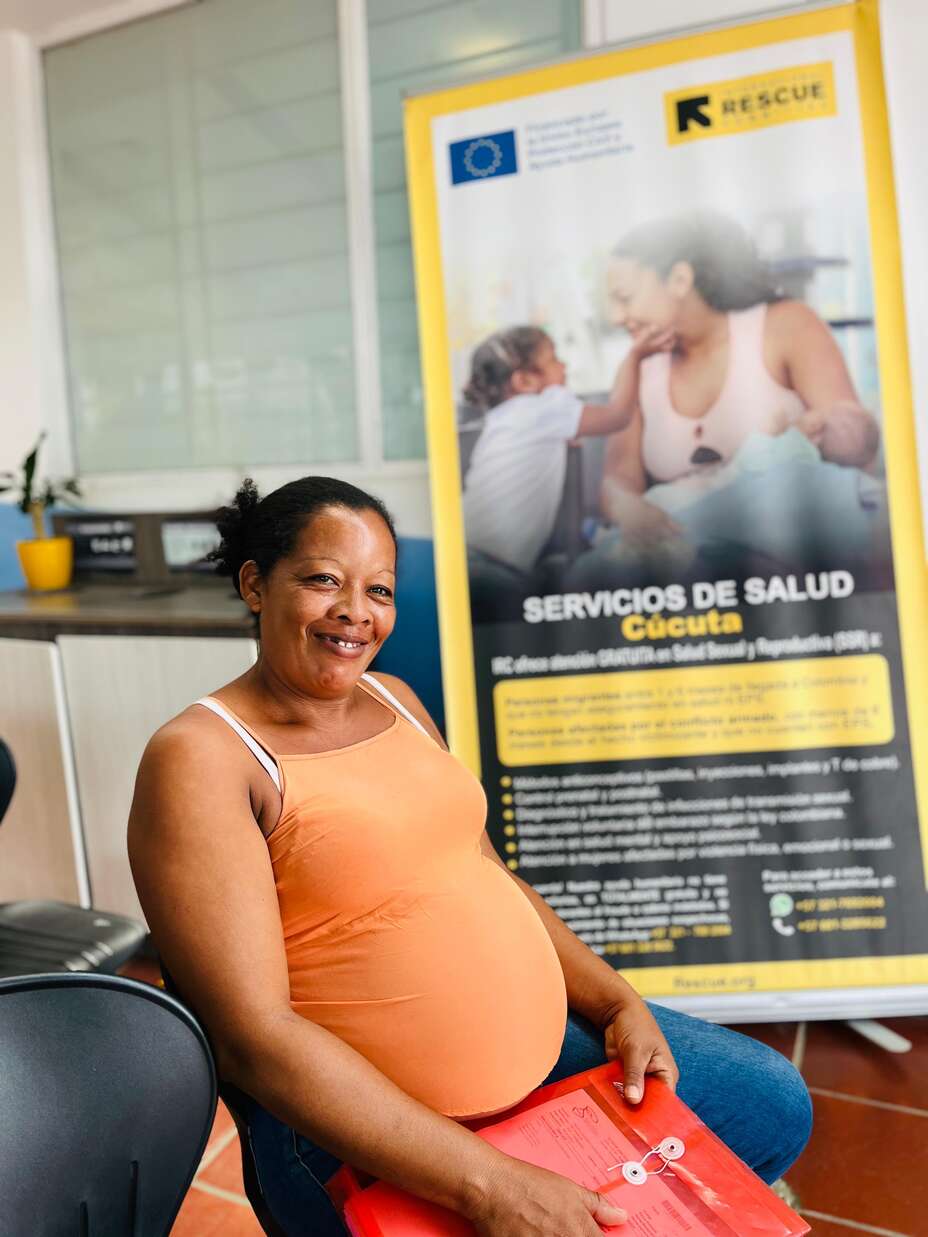
As the journey progressed, Belkis's partner became violent. Gender-based violence often increases during migration, when stress and vulnerability are at their highest and protection mechanisms are at their lowest. Pregnant and isolated, she had little choice but to keep moving. “I had to keep walking like that — afraid,” Belkis says, recalling that time in her life. “I felt tired, sad.”
“Little by little, I realized that I had to keep going—for my baby.”
When they finally arrived in Colombia, her partner abandoned her—taking their children with him and leaving Belkis with no money, no documents, and no one to turn to. "That separation broke my heart," she says. "I felt like my life was collapsing.” She was over nine weeks pregnant and had not yet received a single medical check-up.
Belkis found herself surrounded by other migrant women living through similar fear and uncertainty. They shared food, stayed close, and made sure she didn't feel entirely alone. Two months later, one of those women told her about the IRC's EU-funded Comprehensive Community Centre in Cúcuta. She went—and for the first time in her pregnancy, someone examined her.
“Finally, someone cared about me and the life growing inside me.”
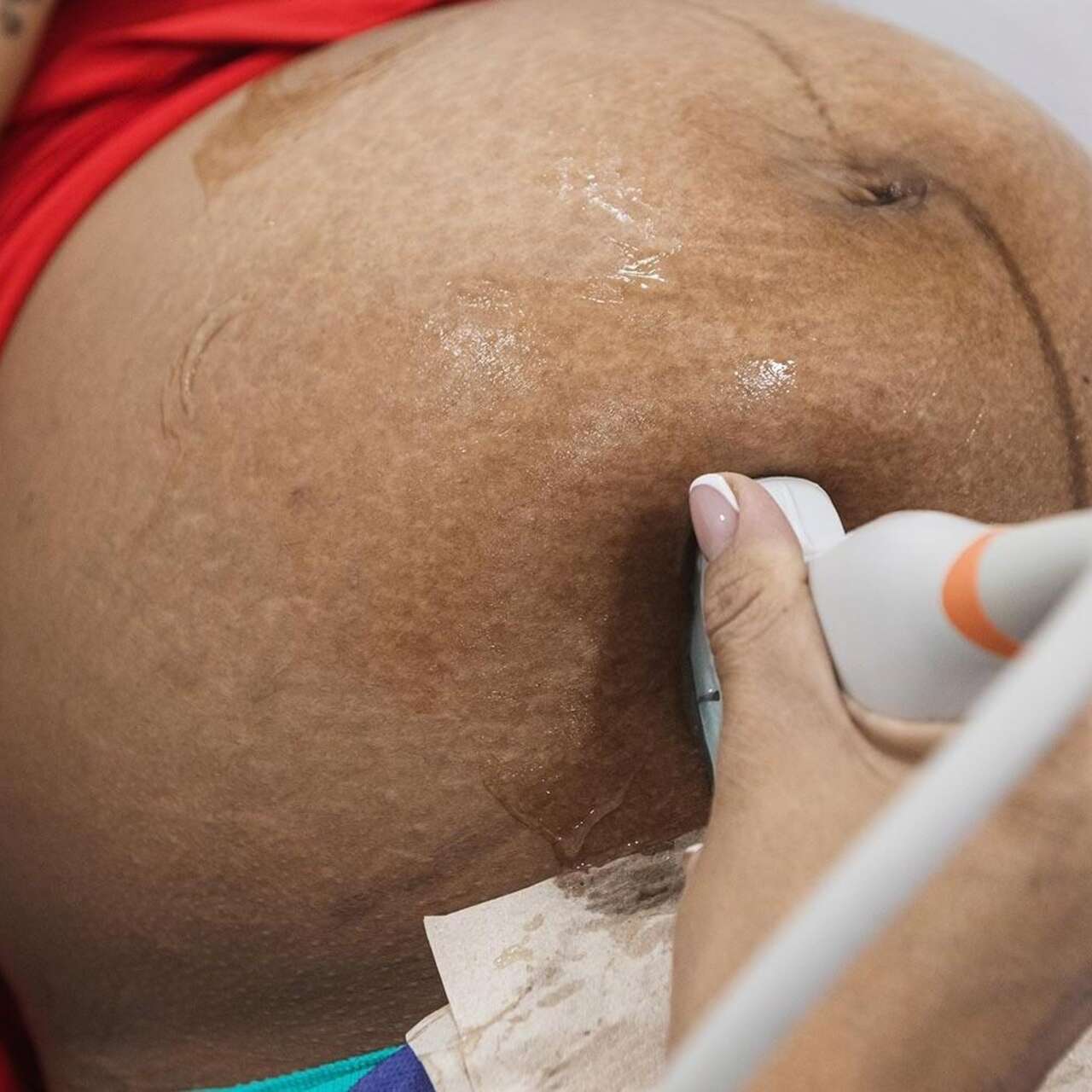
Belkis remembers the warmth of the staff during her first visit. "The [IRC] doctor treated me with so much patience," she says. When she saw her baby on the ultrasound screen for the first time: "I felt such relief—like a weight had been lifted off my chest."
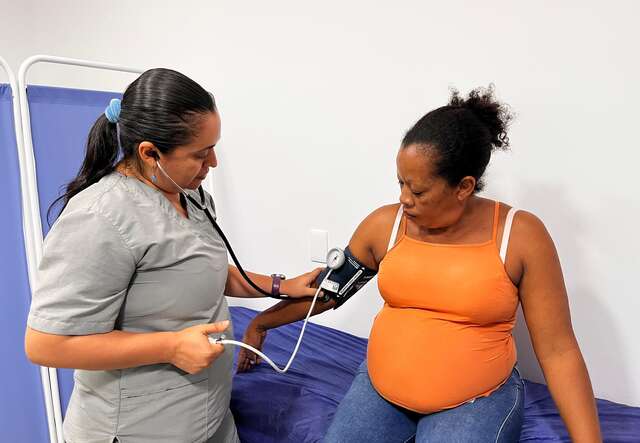
With funding from the European Union (EU), the IRC had expanded its response in Colombia to offer something that displaced women are routinely denied: integrated care that treats the whole person. At the Cúcuta centre, Belkis accessed nine antenatal visits and a postnatal check after she gave birth. She received ultrasounds, micronutrients, and confidential counselling as a survivor of violence.
“Their words awoke something in me — it was like coming back to life.”
She also began working with a psychologist. "I arrived with a lot of anxiety—I cried all the time, felt lonely and guilty," she recalls. "But the psychologist helped me understand my emotions, work through my fears, and helped me believe in myself again."
Among Venezuelan migrants, women and children face particular risks—sexual violence, exploitation, and forced separation from their families that can leave them vulnerable to gang recruitment. These are not abstract dangers. They are the reality that shapes every journey to the centre's door.
At the EU-funded Comprehensive Community Centre, the IRC brings together sexual and reproductive healthcare, mental health support, and protection services under one roof—while connecting people to livelihoods and economic support through complementary programs. For migrants who face unequal access to local health systems, it fills a critical gap.
The approach is deliberate. Rather than responding to each crisis as it arrives, the IRC focuses on the specific risks migrant women face and provides care at the moments they need it most.
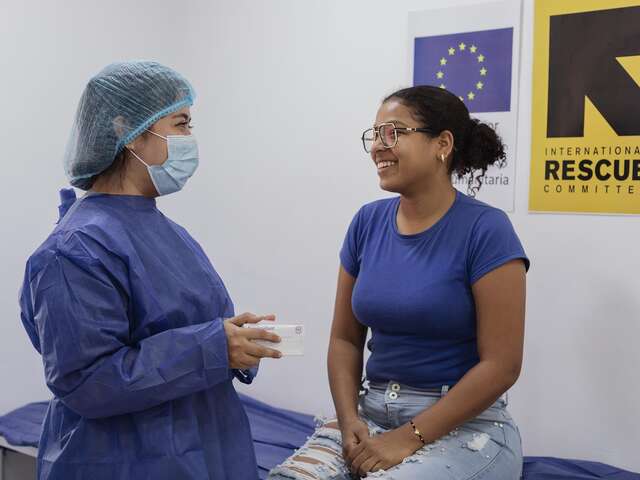
As Belkis recovered, the IRC connected her to its economic support department—food assistance and financial planning that meant she could eat properly and begin to look for her children. With the help of an IRC social worker, she found them.
"I was able to see my children again and feel like my family was beginning to heal," she says.
Belkis now attends her medical check-ups, continues her psychological sessions, and knows her baby is healthy. She has learned—in her words—"to take care of myself, to stand up for myself, and to understand that I have the right to a life free of violence.’
Belkis's story is not an isolated one. Nearly 3 million Venezuelans have gone to Colombia to seek international protection, many of them women and children who face acute risks of violence, exploitation, and forced recruitment. Prolonged displacement takes a serious toll. In Colombia, the maternal mortality rate for migrant pregnant women is more than double that of Colombian women—138.8 per 100,000 births compared to 65.4—driven by a lack of prenatal care, exposure to violence, food insecurity, and extreme psychological exhaustion.
With funding from the European Union (EU), the IRC expanded its emergency response in Colombia—which began in 2018—to integrate maternal care and mental healthcare, while strengthening pathways to economic support through its VenEsperanza project, funded by the U.S. Department of State.
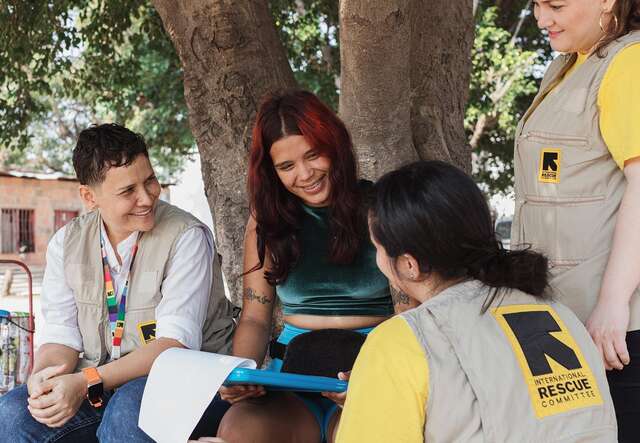
The IRC and its local partners have reached over 25,500 people in need in Cúcuta through this programme, often bringing services directly to where people are temporarily living—including the La Parada neighbourhood, a first stop for many Venezuelans entering Colombia.
Since 2022, 480 pregnant women have accessed maternal healthcare through the centre. Belkis is one of them.
She has a message to women who may share her story: "Don't give up. Seek help, because there are people and places that truly listen and support you,” she says. “I arrived alone and afraid, but here I found hope. Thanks to the IRC, my baby and I have a new chance at life."

The International Rescue Committee partners with the European Union to provide life-saving support to people caught in conflict and disasters around the world. Our work funded by the EU enables people to survive, recover and rebuild their lives.