Kenya Malnutrition
Northern Kenya is home to some of the country’s largest refugee settlements, where hundreds of thousands of people live after fleeing conflict, violence and climate shocks in the Horn of Africa. In this arid region, close to Kenya’s borders with Somalia and Ethiopia, sits Dadaab refugee complex, one of the world’s longest-established refugee settlements and home to generations who have grown up in displacement.
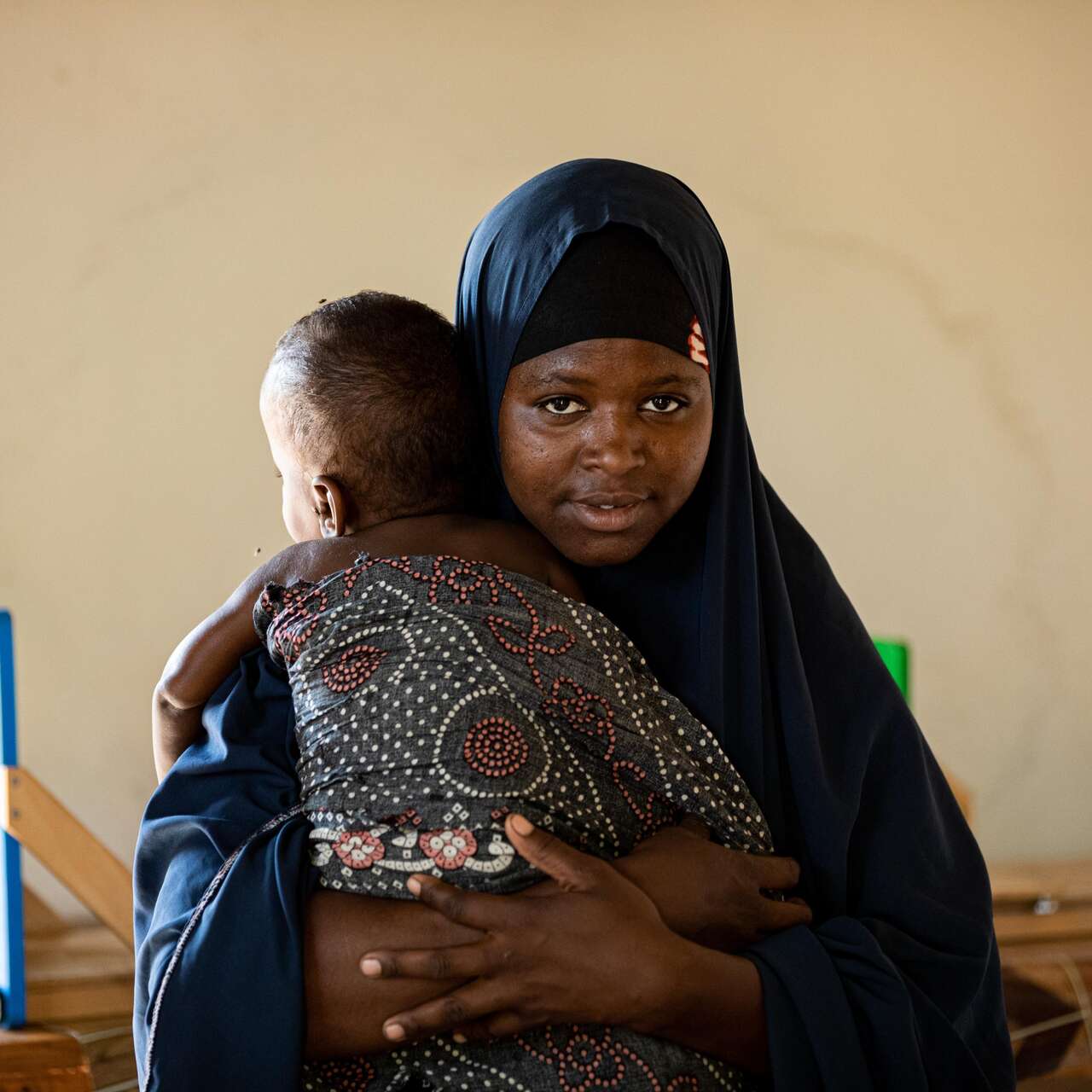
It is here that Shukri Abdelhamid Hussein Ali, a 20-year-old single mother, is working every day to keep her children nourished.
Her story is deeply personal — but it mirrors the experience of thousands of mothers across Kenya’s refugee camps who are struggling to protect their children from hunger amid shrinking food rations, climate shocks and prolonged displacement.
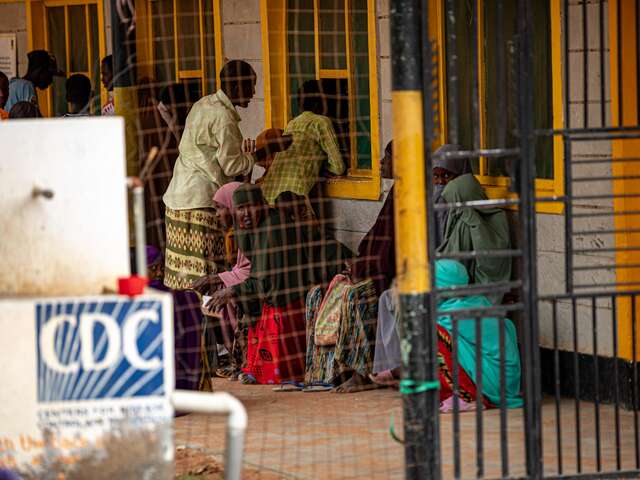
Dadaab was established in the early 1990s to shelter people fleeing civil war in Somalia. Today, it hosts hundreds of thousands of refugees, the vast majority from Somalia, alongside smaller numbers from Ethiopia and South Sudan. Many families have lived here for decades. Children have grown up knowing no other home.
Further northwest lies Kakuma refugee camp, near the borders of South Sudan and Uganda. Together, Dadaab and Kakuma host some of the largest displaced populations in East Africa, sheltering about 750,000 refugees and asylum seekers—roughly 86% of Kenya’s nearly 870,000 total refugee and asylum-seeker population, according to UNHCR statistics (October 2025).
People living in these camps have fled armed conflict, political instability, violence and repeated climate shocks, including prolonged droughts that have devastated livelihoods across the Horn of Africa. Yet displacement has not ended their struggle. Instead, hunger has become a constant threat.
Funding shortages have forced food rations to be cut dramatically. In Dadaab, one in four children under five is at risk of acute malnutrition, and thousands are already moderately or severely malnourished. Families often survive on a single, limited meal a day, lacking the proteins, fruits and vegetables needed for healthy growth.
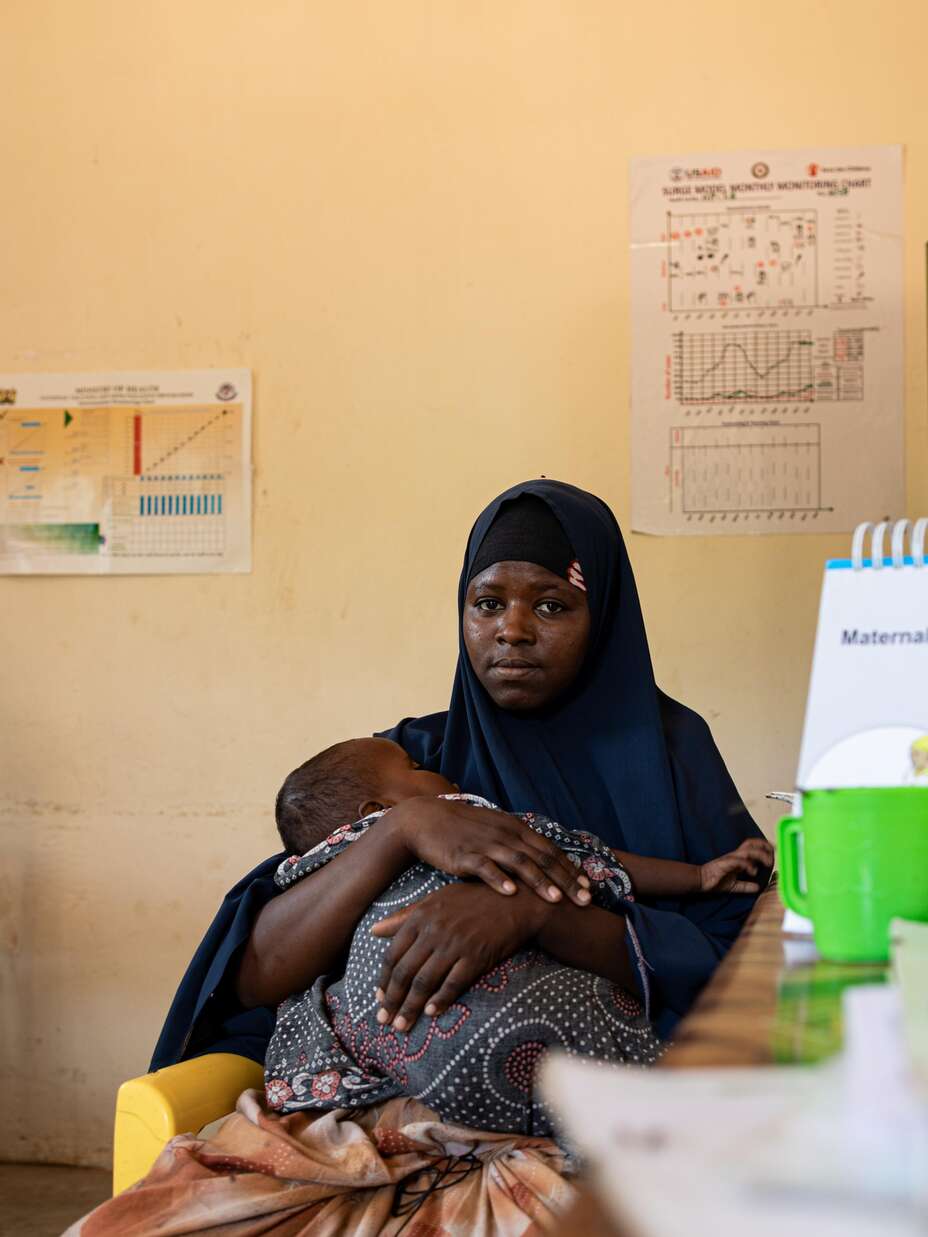
Shukri is a single mother of two. She lives with her mother and children in a small shelter, its entrance opening onto a horizon of closely packed roofs and water tanks. Her husband left years ago and now lives in Somalia. Today, Shukri is the sole provider for her family.
“Life in the camp is difficult and unpredictable,” she says. “Every day, I wake up thinking only about how to feed my children.”
At dawn in Dadaab, when the air is briefly cool and the camp is quiet, Shukri is already awake. The call to prayer signals the start of another day shaped by uncertainty.
Breakfast is often made from leftovers, if there are any. After fetching water and completing her chores, she goes out searching for work — washing clothes, cleaning utensils, sweeping compounds for neighbours who can afford to pay. Some days she earns just enough for one meal. Some days she earns nothing at all.
“I do not have savings,” she explains. “I work today so my children can eat today.”
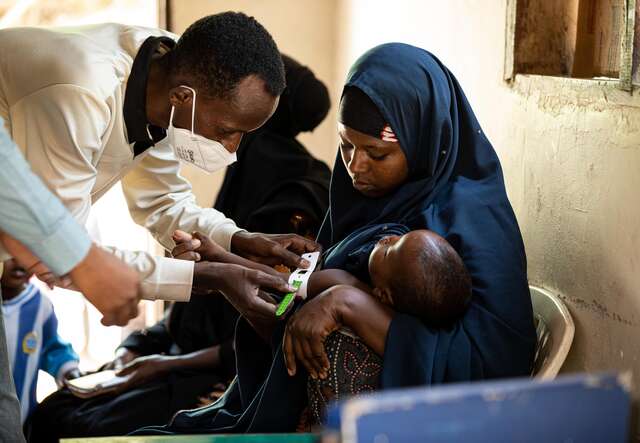
Shukri’s youngest child is currently enrolled in an International Rescue Committee’s nutrition programme funded by the European Union, but it is sadly not the first time one of her children has needed treatment.
Years of food ration cuts have forced families like hers into repetitive, unbalanced diets. Nutritious foods are rarely available, and time for meal preparation is limited by the need to earn income.
“It became normal,” Shukri says quietly. “The leftovers we eat in the morning. The little time I have to prepare meals. It all affects the child.”
Her older child was also treated for malnutrition in the past. The treatment worked — but only temporarily. “The treatment helps,” she explains. “But we still do not have what caused the problem in the first place. Enough food. Balanced food. And a way to earn income.”
Without those, the cycle of malnutrition returns.
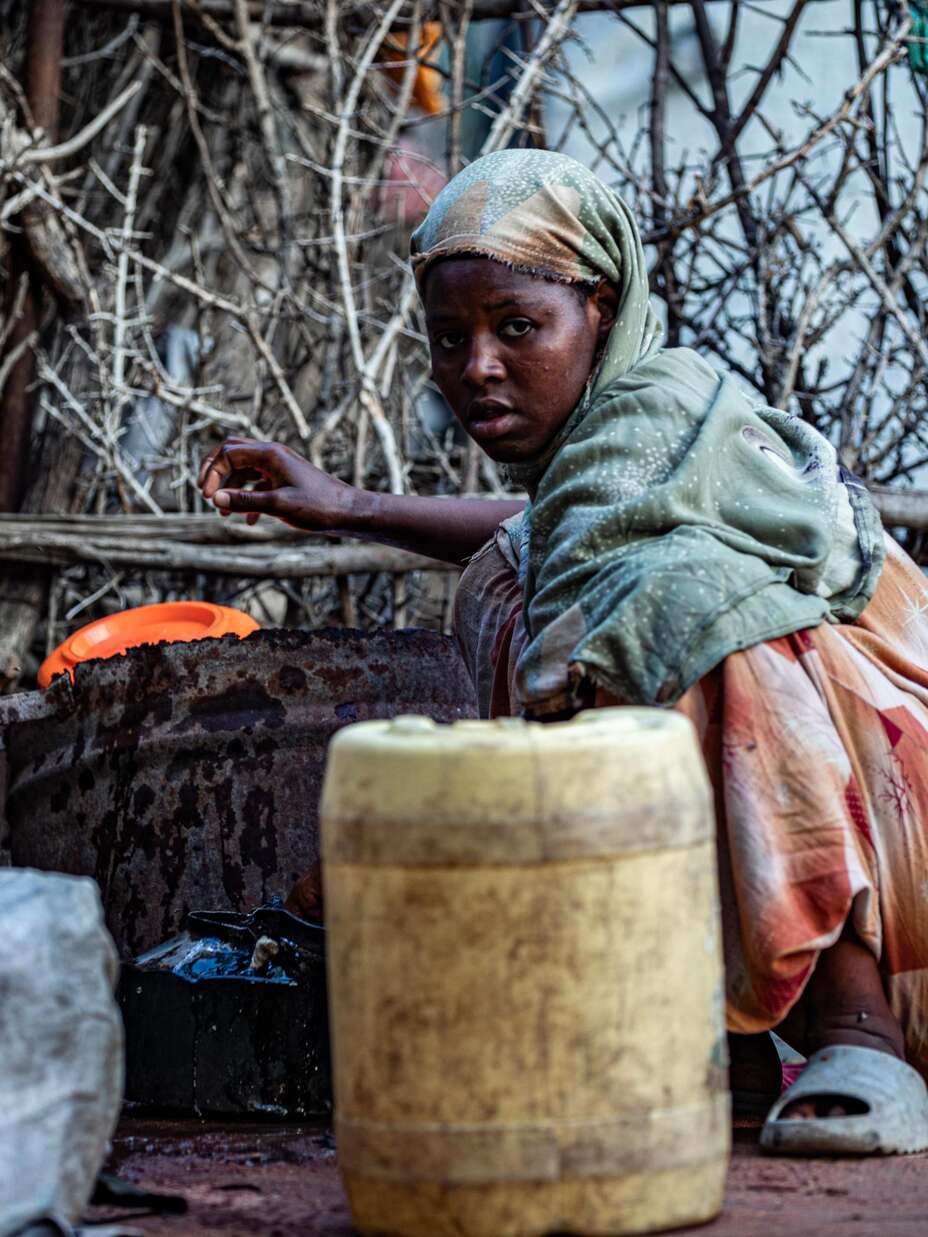
With new arrivals continuing to reach Dadaab, shelter and services are stretched thin. Shukri and her family sleep on bare ground.
“I earn only enough for food by washing clothes, cleaning utensils, and sweeping compounds for neighbours who can pay,” she says. “I cannot think of shelter or beds.”
Yet even in these conditions, she holds onto hope. In the evenings, she sits with other women, sharing stories that help ease the emotional weight of constant worry.
Her dream is modest but powerful: a small kiosk selling everyday food items. A steady income. A chance to feed her children without fear.
Before the interview ends, she speaks softly: “It touched my heart that you came to understand what we face.”
Across Dadaab and Kakuma, IRC health teams work every day inside clinics, community spaces and households to stop hunger from becoming life-threatening. With funding from the European Union, nurses and nutrition officers actively screen children for malnutrition, often identifying early warning signs before a child’s condition worsens. When teams find a malnourished child, they enrol them immediately in treatment, provide therapeutic and supplementary foods, and follow up closely to make sure recovery continues.
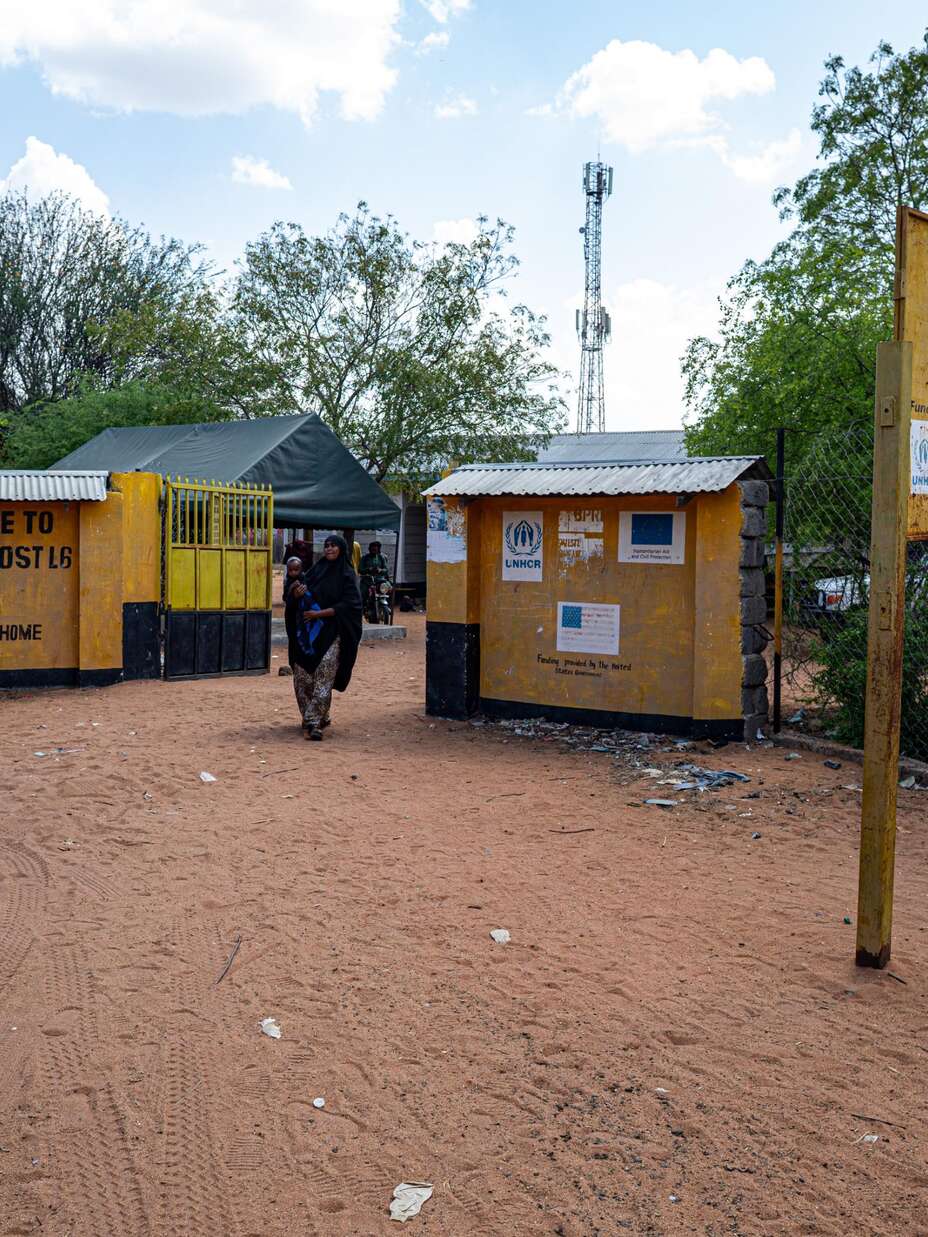
Community Health Promoters regularly visit mothers like Shukri, offering practical nutrition counselling, supporting breastfeeding, and helping caregivers understand how to protect their children’s health even when food choices are extremely limited.
At the same time, IRC teams keep clean water points functioning to reduce illness that can worsen undernutrition, and deliver cash assistance that allows families to buy fresh food locally when it is available. Through this hands-on, EU-funded response, the IRC has already reached more than 380,000 refugees across Kenya between February and September 2025 only, turning funding into daily action that helps mothers keep their children nourished in one of the most food-insecure environments in the world.
Shukri’s struggle is not unique. Across Kenya’s refugee camps, mothers are on the front line of the hunger crisis — stretching impossible rations, working informal jobs, and watching anxiously as their children lose weight.
The International Rescue Committee, supported by the European Union, continues to respond by strengthening nutrition services, supporting maternal health and helping families meet their most basic needs. But as displacement continues and funding gaps widen, the need remains urgent.
Shukri’s fight is about more than survival. It is about dignity — and about giving her children a chance to grow, learn and live without hunger deciding everything. And it is about what sustained humanitarian efforts from the EU and the broader international community can make possible.
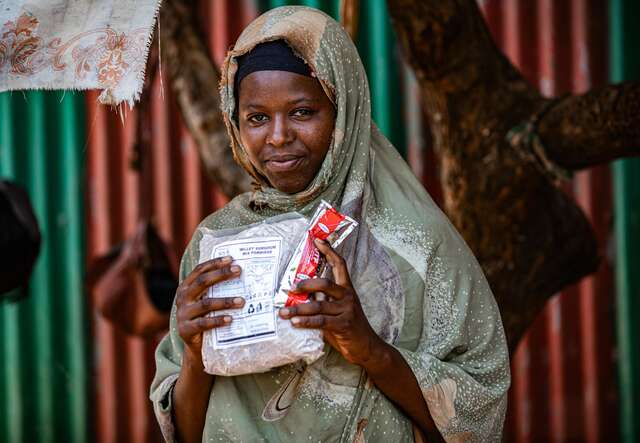

The International Rescue Committee partners with the European Union to provide life-saving support to people caught in conflict and disasters around the world. Our work funded by the EU enables people to survive, recover and rebuild their lives.