West Bank
The humanitarian situation in the West Bank has worsened in recent years, with ongoing settler attacks, movement restrictions, and demolitions. As a result, communities have been forced to develop emergency response skills so they can act quickly during attacks and protect lives, especially when help is delayed due to roadblocks, checkpoints, and damaged infrastructure.
In response to these growing needs, and with funding from the European Union (EU), the International Rescue Committee (IRC), in partnership with Juzoor and in coordination with the Ministry of Health, delivered critical health and protection services across the occupied Palestinian territory. A central component of this effort focused on equipping local communities with the skills and tools needed to respond to medical emergencies when access to care was delayed or unavailable.
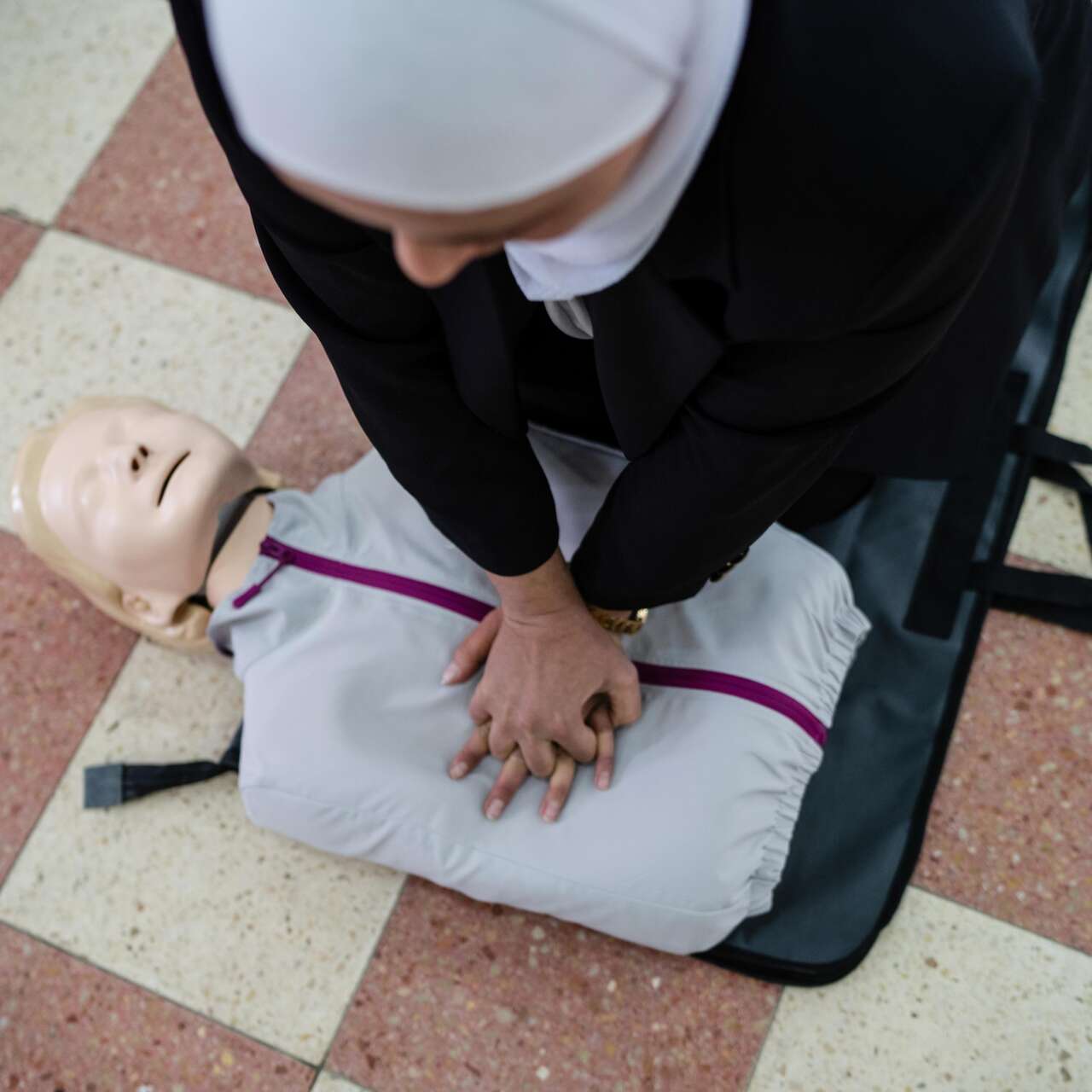
By the end of the program, more than 1,400 volunteers across 70 communities in Hebron, Tulkarm, and Jenin had been trained in first aid and life-saving medical procedures. These volunteers left the program equipped to provide immediate assistance in emergencies—helping stabilize patients and, in many cases, saving lives.
This grassroots approach made a tangible difference and continues to have a lasting impact.
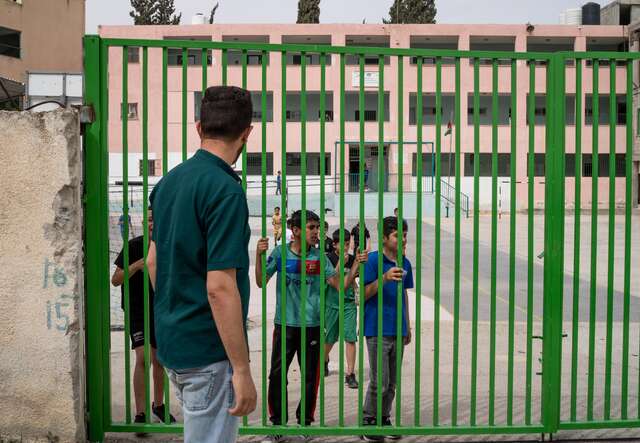
One of the trained volunteers was Ali*, a history teacher at a boys school in South Hebron. Through the training, Ali gained the confidence and practical skills to respond quickly in high-risk situations.
“The training certainly helped me as a teacher,” he said. “If students were exposed to tear gas or gunfire, it helped me know how to respond immediately.”
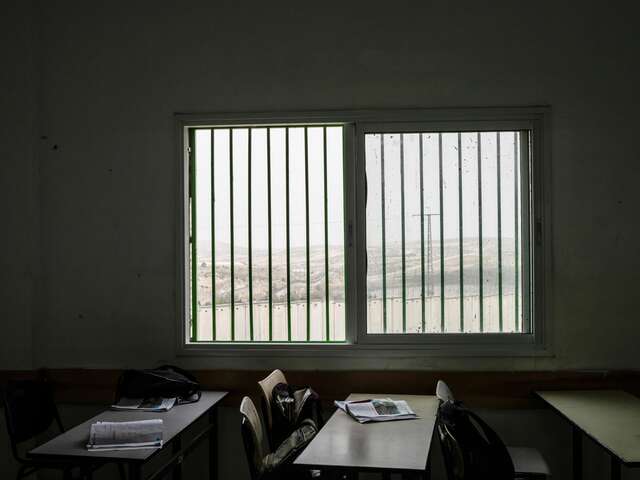
In a school environment where students’ safety remained uncertain, having a trained first responder on site provided reassurance—not only to students, but also to their families and the wider community. Ali became a critical link in the chain of emergency care, able to act in the crucial moments before professional medical help arrived.
The program’s impact extended beyond individual responders. Each trained volunteer received a first aid kit and became a resource for their wider community, significantly increasing local preparedness. In areas where ambulances often faced delays due to checkpoints or distance, these skills proved essential for saving lives.
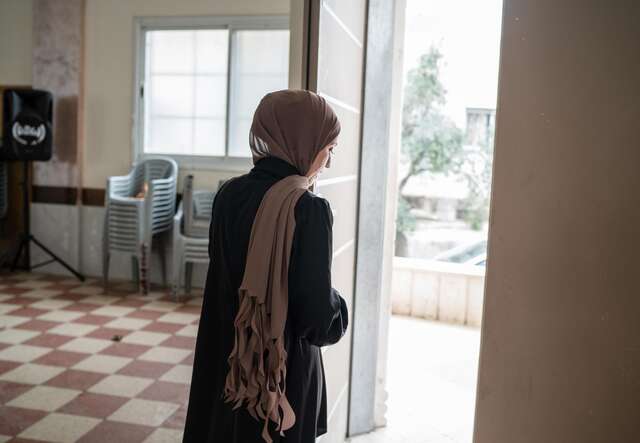
Rana*, a field coordinator with Juzoor, led training sessions in high-risk and hard-to-reach communities in South Hebron. She witnessed firsthand the transformation these trainings brought:
“Communities urgently needed this kind of training—it was extremely important for them. It meant they knew how to respond to emergencies before an ambulance arrived.”
Her work helped ensure that even the most remote communities—often cut off from medical services—were no longer without immediate support in times of crisis.
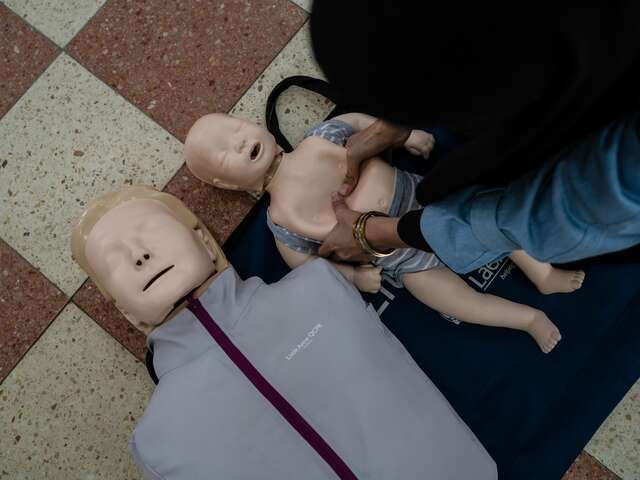
Beyond technical skills, the program contributed to a stronger sense of agency and solidarity within communities. Volunteers not only gained practical knowledge, but also the confidence to support one another during emergencies. This shared capacity helped reduce panic, improve coordination, and foster a culture of preparedness that continues beyond the program’s duration.
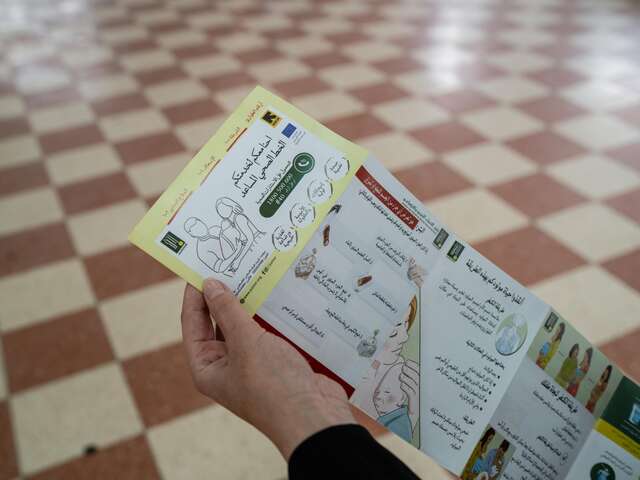
For educators like Ali, the impact also extended into the classroom. Alongside his role as a first responder, he continued to engage and support his students—offering a sense of stability and encouragement despite ongoing challenges.
“This motivated me as a teacher to engage even more with my students,” he explained.
Through this initiative, the IRC and its partners not only addressed immediate humanitarian needs but also invested in longer-term community resilience. While the program has concluded, its impact endures in the knowledge, confidence, and preparedness of the communities it reached.
*Names have been changed for privacy reasons.

The International Rescue Committee partners with the European Union to provide life-saving support to people caught in conflict and disasters around the world. Our work funded by the EU enables people to survive, recover and rebuild their lives.