A surge in humanitarian aid must follow ceasefire
- The IRC welcomes agreement of first phase of Gaza peace deal.
- Food, fuel, water, and medical supplies must begin to flow in immediately and the steps agreed should lead to a lasting ceasefire.
- "The IRC and our partners stand ready to seize this moment and scale up the delivery of humanitarian aid; we have more than 5 tonnes of life-saving medical supplies ready and waiting to enter Gaza" - David Miliband, President and CEO of the IRC.
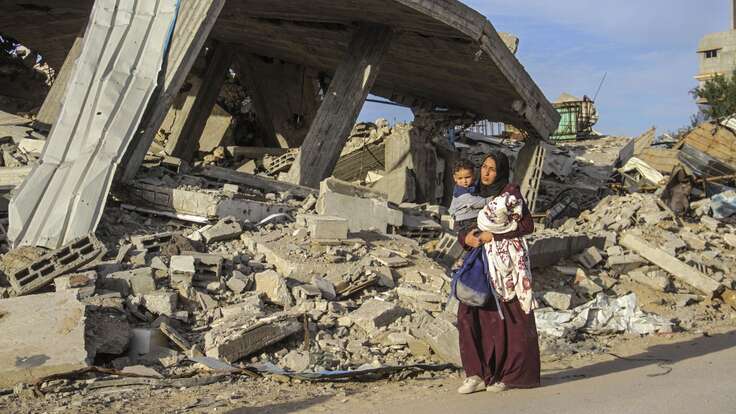
Israeli forces began airstrikes and ground operations after Hamas and other armed groups launched a deadly ground incursion and rocket barrage on southern Israel on October 7, 2023, killing 1,200 people and taking over 200 hostages. Israeli airstrikes, bombing and ground-level fighting have killed more than 69,000 Palestinians, according to OCHA, which bases its figures on the Gaza Ministry of Health statistics. Of the identified fatalities, almost half are women and children. Attacks have also destroyed homes, hospitals, schools, shelters, religious sites and essential services like bakeries, leaving no place safe across the whole of Gaza.
The latest ceasefire was achieved on October 10, 2025, following agreement of the first phase of a peace plan. The IRC warmly welcomes this agreement, which includes expanded humanitarian access into Gaza and the release of hostages. While this offers the prospect of much-needed safety, the success of the plan should be measured by the duration and permanence of the halt to the destruction of Gaza, and whether it is matched by a surge of life-saving aid.
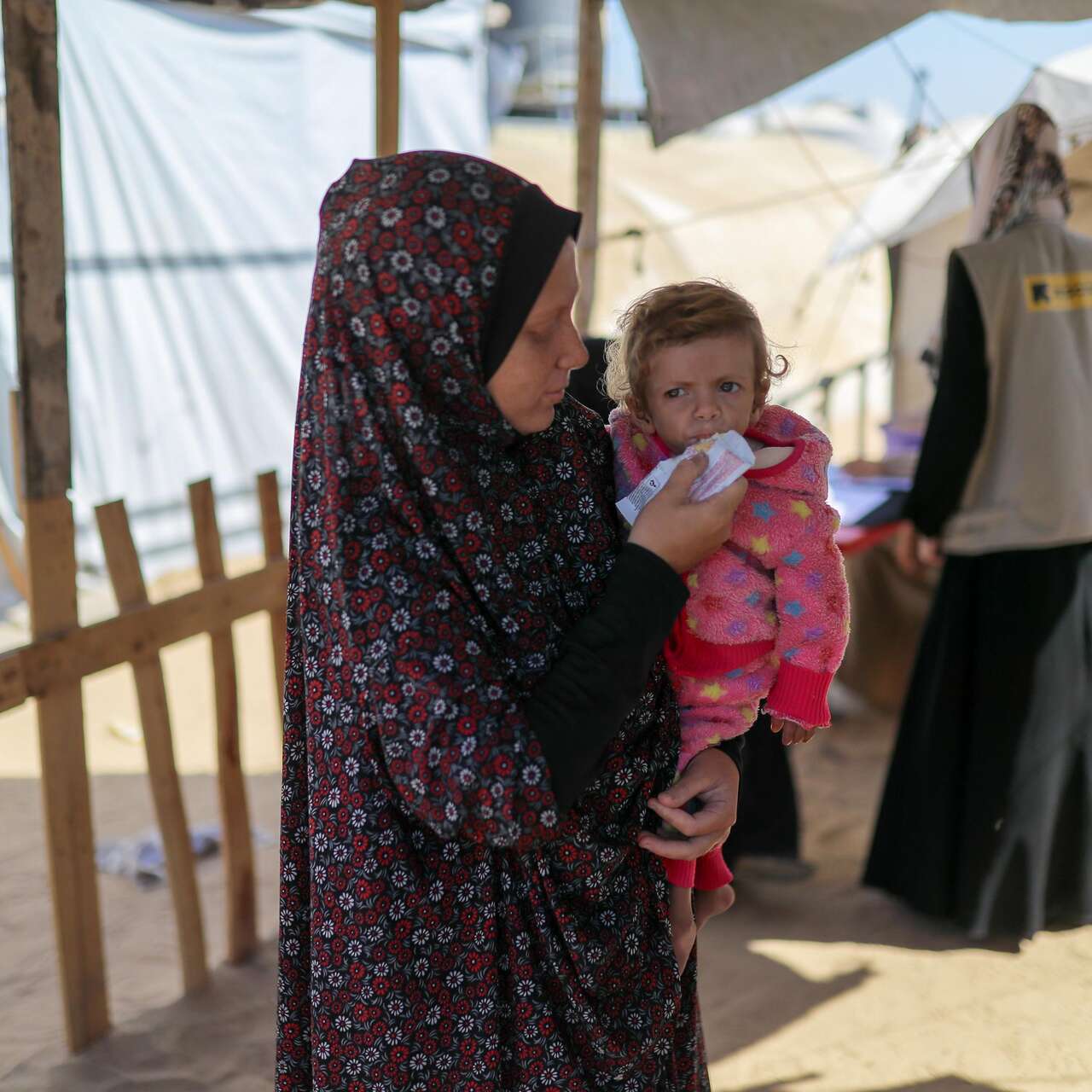
Famine conditions are still a deadly reality in Gaza, with almost 55,000 children facing acute malnutrition and more than half a million people in the Gaza Strip facing catastrophic conditions characterized by disease and destitution.. With nearly 300,000 people on the move trying to return home post-ceasefire, damaged roads, debris everywhere, and fuel extremely scarce, the humanitarian situation remains dire.
To fully protect Palestinian lives, secure the release of hostages, and safely scale-up humanitarian assistance and service delivery, the IRC urges all parties to ensure that this agreement becomes a first step toward a permanent end to the war, and lasting peace for all people in the Middle East.
3.3 million people are in need of humanitarian assistance across Gaza and the West Bank. More than two million Palestinians in Gaza—half of them children—are living without access to sufficient water, food and medical care.
Israeli operations have caused severe destruction and widespread death in Gaza. According to OCHA, more than 69,000 Palestinians have been killed—and of the identified fatalities, more than 50% are women and children. Nearly 170,000 have reportedly been injured. Almost 1.9 million Palestinians (about 90% of the population) have been displaced, most multiple times.
Meanwhile, the West Bank is facing the worst violence since the UN Office for the Coordination of Humanitarian Affairs (OCHA) records began in 2005.
In Gaza, mass displacement due to the ongoing hostilities and the Government of Israel’s displacement orders has worsened conditions in what was already one of the most densely populated places in the world. People are living in tents or self-built shelters that are ill-suited to weather conditions, exacerbate protection risks and fail to provide any sort of privacy or dignity. Over 92% of Gaza's housing has been damaged or destroyed, which is over 436,000 houses and apartments.
The crowded conditions and lack of basic hygiene are creating a public health risk at a time when the health care system is on the brink of collapse. Attacks on and fighting around hospitals have left much of Gaza’s population without access to medical care, and the huge number of casualties have left facilities overwhelmed. Only 14 out of Gaza’s 36 hospitals are even partially functional. All are facing extreme shortages in staff, medical supplies, pharmaceuticals, and fuel.
Famine conditions remain a harsh and deadly reality in Gaza, where nearly 55,000 children are suffering from acute malnutrition. Over half a million people in the Gaza Strip are enduring catastrophic conditions, marked by widespread disease, extreme poverty, and despair..
Children are bearing the brunt of the conflict. More than 660,000 children have lost access to education. The majority of schools are being used as shelters, and 97% of schools in Gaza have some level of building damage. Thousands of children have been killed or severely injured, while 17,000 have been left unaccompanied or separated from their families. These children face high risks of child labor, exploitation, neglect, extreme hunger, and severe mental health impacts. Reports indicate that children in shock are displaying distressing behaviors, such as clinging to others during loud sounds, bedwetting, nightmares, and seeking safety by sleeping under beds.
More than 990 Palestinians (including over 200 children) have been killed in the West Bank, including in East Jerusalem, since October 2023 with the majority by Israeli forces, some during settler attacks. During the same period, more than 30 Israelis have died in exchanges of fire and attacks. Since October 2023, OCHA documented more than 2,800 attacks by Israeli settlers against Palestinians.
The IRC is concerned about the impact of intensifying violence on health care access and the ability to deliver care. Our partners are delivering medical supplies to impacted hospitals, but ongoing fighting near these facilities is obstructing ambulances and restricting Palestinians' access to urgent medical care.
With the ceasefire in place, IRC teams are planning a major scale-up in emergency assistance. With nearly 300,000 people on the move trying to get home, damaged roads, debris everywhere, and fuel extremely scarce, our teams are determined to relaunch programs and restore services.
In addition to reopening our Gaza City offices and expanding into ten new sites serving returnees and displaced families, we are scaling up programs in the middle areas of Khan Younis and Deir al-Balah.
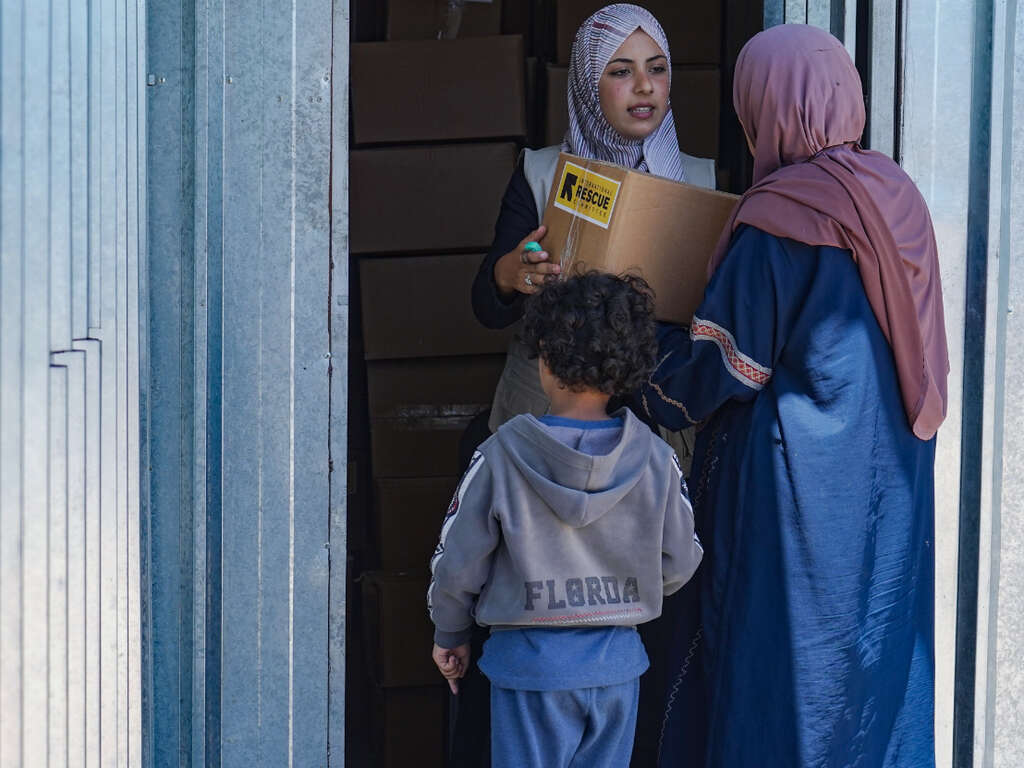
In Gaza, the IRC is delivering clean drinking water alongside sanitation and hygiene services, including building emergency latrines and distributing kits that support personal hygiene and safety. We are rehabilitating water infrastructure where feasible and continuing provision of critical water supply.We are also providing cash assistance to help families meet urgent needs.
Our protection programs prioritize the safety and well-being of women and children. In addition to case management, we’re helping children and caregivers cope with distress through mental health and psychosocial support. We're providing child protection case management services including Identification, Documentation, Tracing and Reunification (IDTR), and establishing community-based protection committees to strengthen protection for returnees and IDPs.
Together with local partners, IRC teams are treating malnutrition and offering nutrition counseling and care for children and their caregivers. We've expanded nutrition screening and treatment to include children aged 6-13 years to address increasing nutritional needs of older children, alongside our existing programs for children 0-5 and pregnant and lactating women. We're distributing emergency nutrition supplies including Ready-to-Use Therapeutic Food (RUTF) and micronutrient supplements. We’re also providing early childhood development activities to help children grow and thrive.
The IRC has 500 tonnes of medical equipment and hygiene items ready to dispatch to Gaza.
Earlier in the response, the IRC distributed food, supported emergency medical services in the few remaining operational hospitals, and deployed mobile health teams to deliver essential care, including medicines and supplies.
In the West Bank, the IRC and our partners are providing early childhood development activities and support for children and families affected by violence. This includes mental health care, psychosocial support, and help for survivors of abuse, as well as training frontline workers to respond in a safe and respectful way.
We are also supporting the Ministry of Health in the West Bank in helping communities become more resilient. This involves improving access to health services, training health workers to identify protection concerns, and strengthening emergency preparedness. We're working closely with local partners to make sure efforts align with national plans, connect health services with protection support, and reach the areas most in need.
A ceasefire alone will not address the massive humanitarian needs in Gaza. For the plan to be effective, the following four urgent things must happen:
1. Large-scale, rapid and unimpeded delivery of humanitarian assistance: Food, water, medical, nutrition and shelter supplies and the restoration of basic infrastructure to meet overwhelming needs, particularly in the north where conditions are most severe. To sustain delivery, at least 1.9 million litres of fuel every week must be allowed to enter Gaza. Aid should be measured not just in trucks going in but on whether aid reaches those who need it most.
2. All crossings must be opened to enable rapid delivery of scaled-up assistance and movement of expert humanitarian staff. The IRC alone has over 5 tonnes of life-saving medical supplies prevented from entering Gaza for several months. The UN has 170,000 metric tons of supplies cleared and ready to go.
3. Unlike previous ceasefires, this one must endure and pave the way for lasting peace. A permanent cessation of hostilities is the only way to fully protect Palestinian lives and enable Palestinians to begin rebuilding their lives.
4. Sustained funding for humanitarian organizations like the IRC is essential to scale up and meet overwhelming needs. Especially as Gaza heads into winter, investments in shelter, health, nutrition, WASH and education are urgently needed.
Finally, the IRC is calling for all parties to immediately take steps to protect civilians and uphold international law.
Donate: The IRC is delivering life-saving aid to Palestinians in both Gaza and the West Bank—but support from donors like you is critical in maintaining our operations. Your donation can help the IRC provide Palestinians with emergency health care, cash assistance, clean water, hygiene supplies, nutrition treatment, protection services, and early childhood development activities.