Country facts
- Population: 59 million
- More than 1,000,000 asylum seekers have arrived in Italy since 2015
- Human Development Index ranking: 29th out of 193
IRC response
- Start of IRC operations in Italy: 2017
Visita questa pagina in italiano.
RESOURCES AND PUBLICATIONS
FINANCIAL STATEMENTS AND IMPACT REPORTS
The International Rescue Committee (IRC) responds to the world’s most severe humanitarian crises, helping people survive and rebuild their lives, and providing assistance to refugees forced to flee conflict or natural disasters.
IRC Italy is part of the organization’s international network and began its operations in the country in 2017.
Italy is one of the main destination countries for people seeking to reach Europe. Since 2015, over one million asylum seekers have arrived in the country, primarily by sea along the southern coast of Italy, and via the Balkan route along the northern border with Slovenia.
What We Do
IRC Italy provides essential services to migrants, refugees, asylum seekers, and the local population in need.
The team, comprising over 40 staff members and volunteers, operates in various Italian regions, including Lombardy, Sicily, Calabria, Lazio, Piedmont, and Friuli-Venezia Giulia.
Our projects are based on providing direct support, collaborating with local organisations, and working jointly with national authorities and institutions, with the aim of improving the asylum system and the living conditions of beneficiaries. In this context, IRC Italy has identified specific areas of intervention to address the most urgent and unmet needs of migrants and refugees in the country, offering personalised support aimed at addressing emerging vulnerabilities through interventions in various sectors.
IRC’s areas of intervention in Italy include:
Mobile Units
In collaboration with other local actors, IRC supports people on the move, refugees, and asylum seekers through mobile units operating in the main arrival and transit points in Italy.
Trieste
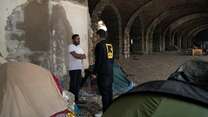
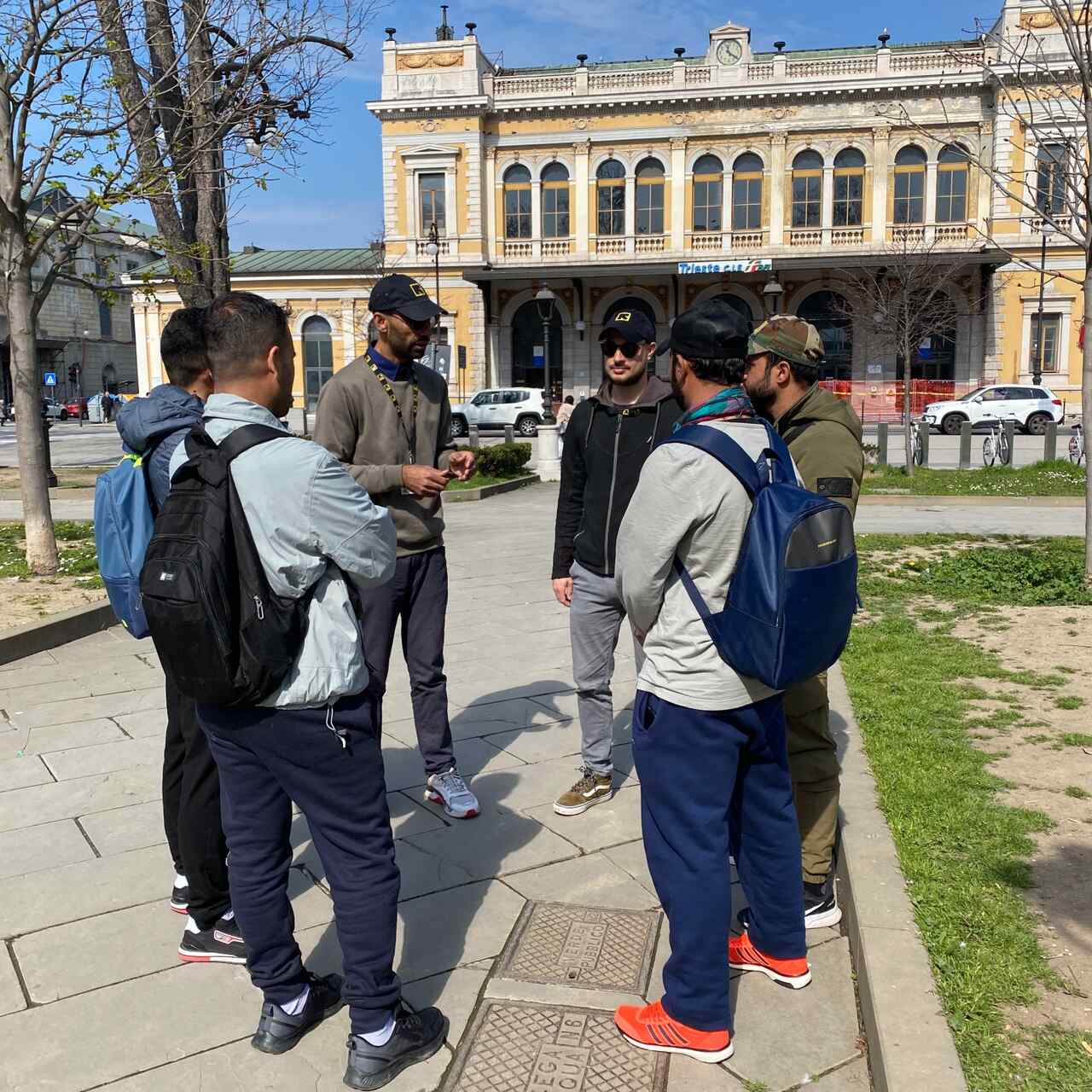
Since late 2021, thanks to internal funding, IRC has launched a multilingual outreach unit in Trieste that provides initial support to asylum seekers and people in transit arriving via the Balkan Route. The mobile unit operates daily, including weekends, in the areas around the Central Station, the Old Port, and the Day Center. In collaboration with staff from other local organizations, it provides information on rights, social and legal guidance, and support in accessing essential services and navigating the asylum process. IRC staff also work to identify vulnerabilities and individuals with specific needs, offer initial psychological support, and distribute non-food items.
Between 2022 and 2025, the IRC met with and provided assistance to more than 52,400 individuals, an average of 35 new people per day. Starting in January 2024, this work was further strengthened and expanded through IRC’s participation in a co-design initiative with the City of Trieste regarding services for people experiencing homelessness and severe marginalization, alongside four other third-sector organizations coordinated by Caritas Trieste. In this context, the IRC street unit operates as a mobile gateway to the city’s low-threshold services during evening hours, serving as an operational link between the street, shelters, day centers, and social services, and contributing to an up-to-date and shared understanding of trends in urban marginalization.
This fieldwork allows IRC to systematically collect quantitative and qualitative data on the people encountered. This evidence forms the basis of reports that provide an up-to-date analysis of the flows, needs, and main critical issues identified in the area, and supports advocacy efforts at the local and national levels.
Access the published reports on the situation of our beneficiaries in Trieste
Milan
In Milan, IRC has launched a mobile unit that conducts outreach activities near the Central Station to identify asylum seekers, people in transit, and migrants or refugees who are homeless or particularly vulnerable. The team provides information on the rights related to the legal status of the people encountered, identifies specific vulnerabilities and protection needs, distributes basic necessities, and supports access to local services. In addition, it works to ensure that unaccompanied foreign minors are taken into the care of the competent authorities. From its launch in October 2023 through the end of 2025, the team reached 2,150 people. Since 2025, this initiative, originally launched with internal emergency funding, has become part of the city’s co-design project on severe adult marginalization, which ensures its sustainability and institutionalization.
Southern Italy
In partnership with the United Nations High Commissioner for Refugees (UNHCR) since May 2024, IRC has been providing multisectoral protection services in the main disembarkation and transit areas of Calabria and Sicily, including the island of Lampedusa. Activities are carried out by four mobile teams tasked with providing targeted information on international protection, access to the asylum procedure, and the Dublin Regulation, tailoring the content to different groups of people based on their nationality, demographic characteristics, and specific needs. These interventions are conducted through an integrated approach by protection experts who carry out activities in both group and individual settings with the participation of cultural mediators, who are an integral part of the teams. In parallel with legal information sessions, IRC identifies and refers individuals with specific needs to relevant stakeholders within the operational area and to available local services. Since 2025, IRC has also taken on a specific role, particularly within the Lampedusa hotspot, in supporting survivors of gender-based violence. This is achieved through informational sessions, participatory activities, and focus group discussions (FGDs), aimed at creating safe spaces that encourage the identification of potential vulnerabilities and the timely activation of relevant services to protect those involved. From May 2024 to December 2025, IRC teams in Southern Italy provided protection services to 80,306 people upon disembarkation.
Protection in Reception Centers: Direct Services and Capacity Building
The IRC also operates within reception systems, providing both direct support to residents and capacity-building and coaching activities, with the aim of strengthening the entire system.
Milan
Since August 2024, IRC has been active at the “Enzo Jannacci” Reception Center in Milan, a facility that provides temporary shelter to adults, families, and unaccompanied foreign minors who lack alternative housing options or the financial resources to access them. The facility also accommodates recently arrived families awaiting placement in the SAI system.
IRC is present at the facility both as a member of the consortium composed of nine third-sector organizations that co-manage it, and as part of one of the co-design initiatives launched by the City of Milan in 2023, involving over 40 third-sector organizations. In this context, thanks in part to the use of remaining funds from Law 285, the City has requested IRC Italia’s support for recently arrived families seeking international protection who are housed in the facility or identified in the local area by the organizations involved in the co-design initiative.
IRC plays a multifaceted role that integrates technical expertise with direct intervention. On the one hand, the project contributes to enhancing service quality through operational protocols and training programs for Casa Jannacci staff, focused on a transcultural approach, trauma-informed care, and child protection in migration contexts. A shared operational guide has also been developed to support consistent and effective interventions. On the other hand, IRC staff conduct activities for beneficiaries, such as the Speaking Club, which complements the facility’s Italian language school and allows participants to practice Italian in a dynamic and informal setting. IRC staff also support Casa Jannacci staff in managing the most complex protection cases, ensuring qualified and ongoing support. This framework also includes the management of the Women and Girls Safe Space within Casa Jannacci, a safe and welcoming space dedicated to women who have recently arrived in Italy, aimed at identifying vulnerabilities, strengthening personal stability, and providing access to information and support services.
Furthermore, starting in March 2025, the IRC team, in collaboration with other local authorities, will conduct activities to identify newly arrived families in the area or those facing particular situations of vulnerability, promoting their orientation and access to relevant services and institutions. At the same time, guidance and physical accompaniment are provided to local services dedicated to the well-being of children and families, as well as to specialized services such as early childhood centers, educational centers, after-school programs, diagnostic and therapeutic services for special educational needs and learning disorders, and interventions in speech therapy, psychomotor therapy, and services for disabilities and autism.
Southern Italy
As part of the partnership with UNHCR described above, since 2024 IRC has been conducting protection and monitoring activities within numerous reception centers in Sicily and Calabria (Extraordinary Reception Centers (CAS), hotspots, and hubs). In particular, IRC operates in the hubs and hotspots, where it carries out outreach activities targeting people who have just arrived in the area following disembarkations or transfers from Lampedusa or other centers in the two regions. Protection activities focus on providing information regarding access to the international protection procedure, delivering cultural mediation services, and identifying specific needs among the center’s guests. Targeted actions to prevent and respond to gender-based violence are also planned, through informational sessions and the initiation of referrals in cases where specific vulnerabilities emerge. Concurrently, IRC organizes protection meetings and on-the-job training sessions with the staff of the managing agencies, in order to strengthen the protection system, ensure adequate attention to identified needs, and guarantee proper access to the international protection procedure.
Protection Monitoring
Since the start of its activities, IRC Italy has been committed to continuously monitoring the needs and vulnerabilities of the people it supports, in order to strengthen protection programs and develop increasingly effective interventions based on concrete data.
Since 2023, this work has been systematized through the production and publication of periodic monitoring reports that integrate data collected at the national level—with particular attention to digital information services such as Refugee.Info—and dynamics related to people on the move, with a specific focus on those arriving in Trieste via the Balkan route.
In addition to quarterly reports, IRC also produces monthly snapshots dedicated to the situation of arrivals of people from the Balkan route in Trieste. These updates are based on data collected directly in the field by the IRC team in collaboration with the staff of Diaconia Valdese and include assessments of the main protection concerns of the people supported, helping to provide an up-to-date picture of the vulnerabilities and risks present in the area.
The information gathered through these activities represents a fundamental resource for IRC Italy. The data and evidence generated are used to inform advocacy efforts, guide the design of project proposals, and steer the organization’s overall operations. Furthermore, they serve as a key tool in ongoing dialogue with institutional stakeholders and partners, helping to promote coordinated responses based on people’s actual needs.
Through this approach, IRC Italia contributes not only to the collection and analysis of information, but also to its transformation into concrete action, supporting more effective protection interventions and more responsive systems.
Combating Trafficking and Labor Exploitation
Starting in 2021, IRC Italy has implemented several anti-trafficking projects funded by the European Union, including FAST, DIRECT, and SAFE-HUT, collaborating with partners in Italy and across Europe to strengthen the skills of over 1,100 frontline workers and migrant-led organizations in identifying and supporting survivors of trafficking, through a trauma-informed approach based on the “do no harm” principle. In parallel with training activities, IRC provided direct services to asylum seekers and refugees in Sicily, promoting social inclusion and reducing the risks of exploitation through informational activities, life skills development initiatives, and targeted support for unaccompanied foreign minors and women at risk of trafficking. To complement these efforts, IRC also utilized its digital platform Refugee.Info Italy to carry out wide-reaching awareness campaigns within diaspora communities.
Building on this experience, in July 2025, IRC launched the REACHing project, a two-year initiative aimed at strengthening the early identification and protection of asylum seekers at risk of trafficking. Through mobile teams operating in Sicily and Calabria, REACHing provides timely information on available rights and services, raises awareness about the risks of trafficking, facilitates referrals to specialized services, and strengthens coordination among frontline actors, contributing to more effective and person-centered protection systems.
Prevention of Gender-Based Violence
In addition to addressing gender-based violence linked to human trafficking, IRC is engaged in various projects aimed at preventing gender-based violence.
Specifically, between March 2023 and July 2024, through the project co-funded by the European Union, CARE - Community-Based Primary Prevention of GBV (Gender-Based Violence) in Greece and Italy, the IRC, in partnership with other Italian and Greek organizations, carried out activities aimed at challenging gender stereotypes, strengthening women’s empowerment, and fostering the creation of support networks among women and men. Previously trained Italian facilitators, including those with migrant backgrounds, engaged more than 60 women and men in Palermo in prevention activities using structured methodologies adapted to the local context.
Starting in March 2026, IRC Italy’s commitment to combating gender-based violence expanded thanks to the REAL TALK project, an initiative funded by the European CERV-Daphne program and implemented by a consortium of five partners in Italy, Estonia, and Poland.
The project targets adolescents aged 11 to 16 with the goal of preventing gender-based violence, both online and offline, through participatory training programs adaptable to different contexts. The program includes at least five sessions, with optional modules that can be activated based on the class’s needs, and is co-created with students to promote healthy, safe, and stereotype-free relationships in a space for discussion and self-expression.
REAL TALK also engages the entire educational ecosystem, offering programs dedicated to teachers, school staff, and parents/caregivers. The activities, organized into training and informational sessions, strengthen adults’ skills in supporting young people in developing positive relationships, fostering intergenerational dialogue, awareness, and well-being.
Since 2018, the IRC’s digital information service, Refugee.Info (RI), part of the transnational Signpost project, has been providing refugees and migrants with multilingual, accessible, practical, and accurate information at the national level.
The IRC’s Refugee.Info digital information service provides refugees and migrants with multilingual, accessible, user-friendly, and accurate information at the national level.
Photo: Daphne Tolis / Refugee.Info
Refugee.Info (RI), part of the transnational Signpost project, provides refugees and migrants with multilingual, accessible, practical, and accurate information at the national level.
Through instant messaging apps, social media, a website, and a peer-to-peer approach, it addresses beneficiaries’ information needs regarding their rights, documents, safety, support services, and integration into new communities. The service is currently available in English, French, Dari/Farsi, Pashto, Arabic, and Ukrainian.
The Refugee.Info Facebook page has more than 54,000 followers, while the Refugee.Info website was visited by 51,169 people in 2025.
Between September 2024 and February 2025, Refugee.Info participated in the Signpost AI pilot to assess its impact on the personalized assistance service. Integrated into the moderators’ work, the chatbot improved efficiency and reduced response times, supporting communication with users. The final evaluation indicates that the tool can be safely used in a Human-in-the-Loop model—an artificial intelligence approach that integrates humans into the training and operational cycle of systems—but requires further training and human review. The chatbot proved to be complementary to the moderators, particularly useful for enriching responses with trauma-informed language and additional resources, while moderators maintain an essential role for contextual expertise and managing situations of vulnerability.
Throughout 2025, IRC Italia, in collaboration with RI, strengthened partnerships with other digital information services, becoming a member of the Community of Practice coordinated by UNICEF and UNHCR that networks remote listening and support services operating at the national level, including , the National Toll-Free Number for Assistance to Victims of Trafficking and Severe Exploitation, the National Toll-Free Number against Violence and Stalking, the Migrant Minors Helpline (Save the Children), the Gay Helpline and Intercultura Help Desk (ARCI Nazionale), the Toll-Free Number for Asylum Seekers and Refugees (ARCI Nazionale), and Here4You (ARCI, UNICEF, Approdi).
IRC’s activities in the field of mental health and psychosocial support (MHPSS) for vulnerable individuals—and, in particular, for women and girls—began in 2022 as part of the response to the Ukraine crisis. By 2025, these interventions—now well-established and open to people of various nationalities—were active in the cities of Milan, Turin, Trieste, and Rome.
In each of these cities, the IRC manages, often in collaboration with local organisations, Women and Girls Safe Spaces—safe spaces where women and girls can participate in recreational activities, informational sessions, and structured psychosocial activities, and have the opportunity to build social networks and strengthen their autonomy in an environment that is safe for them and their children. Following a bottom-up approach, within each Space, activities and environments are co-designed with the beneficiaries and adapted over time based on their needs and priorities.
Within IRC’s psychosocial spaces, beneficiaries received case management services and psychological support and participated in group activities, including bachata classes, Speaking Clubs, groups for teenagers, and recreational activities for boys and girls.
In addition to these interventions, IRC provided psychosocial support through mobile teams composed of a social worker and a cultural mediator, active in various communities. Following a careful assessment of individual needs and resources, the teams adopted a holistic care approach aimed at promoting the psychosocial and physical well-being of beneficiaries and facilitating their integration processes.
In particular, the multidisciplinary team—composed of a case worker, a psychologist, and a cultural mediator—active in Rome provided, through June 2025, individual assistance and psychosocial support not only to Ukrainian women attending the Safe Space but also to the most vulnerable Ukrainian refugees housed in the Capannelle and Mercure West hotels, helping them access documents, healthcare, education, and social services until their transfer to second-level reception centers.
Since April 2025, at the sites in Milan, Turin, and Rome, psychosocial activities have been complemented by individual and group interventions aimed at labor market integration (see the section on labor market inclusion). Similarly, case management services have been integrated into other areas of IRC Italy’s work, particularly in protection and emergency response programs. In these contexts, the approach adopted is adapted to the specific characteristics of the setting and the needs of the people involved, providing, depending on the situation, more structured interventions or more targeted forms of support.
In the context of protection interventions carried out in Trieste, the SICURI project, launched in October 2025 in collaboration with local partners thanks to funding from the Intesa Sanpaolo Charity Fund, has strengthened integrated and personalized support for particularly vulnerable refugees and migrants served by street outreach teams through MHPSS interventions. Through case management and psychosocial and psychological support services, as well as the strengthening of local networks, SICURI promotes pathways to autonomy and inclusion with a person-centered approach. The initiative combines direct assistance with service referral, aiming to remove barriers to access and help those supported move beyond marginalization. A key feature is the proactive approach, where “ ” reaches people where they live or gather, building a bridge to the service system and ensuring coordinated and sustainable care.
Since 2020, IRC has been supporting refugees, migrants, and other vulnerable groups—particularly young people and women—in navigating the labour market and achieving economic independence, while promoting the value that newcomers bring to local economies.
Over the years, IRC’s work has developed along three main lines: i) the direct provision of services, ii) technical assistance and training for staff of relevant services, iii) the strengthening of local institutional networks.
These three dimensions are united by a holistic approach that combines psychosocial support, career guidance, and job placement, with the aim of addressing people’s multidimensional needs, strengthening support networks, and fostering connections with the community and local services.
IRC applies and promotes the adoption—including by other actors—of an approach that is sensitive to traumatic experiences, mindful of gender and cross-cultural dimensions, and grounded in the recognition of individuals’ skills and interests. This approach serves as the starting point for developing educational and professional pathways aimed at economic self-sufficiency in Italy.
Direct Service Delivery
Starting in January 2025, IRC will implement the two-year IT-Bridge project, funded by the European Social Fund (ESF-A), as part of a transnational consortium. IT-Bridge offers integrated training and personalized support to promote the employability and professional development of young people with a migrant background in the IT sector, with a specific focus on the Networking Essentials and Cybersecurity modules, adopting an innovative social approach that integrates technical training with a series of interventions aimed at overcoming barriers encountered by beneficiaries in their path toward social and labor market integration.
Since February 2025, IRC has been coordinating the Digital Horizons (DH) project, funded by the Villum Foundation, and implemented in Friuli Venezia Giulia and Piedmont in collaboration with local partners. The project promotes the development of career paths and access to long-term job opportunities in the IT sector for young refugees and migrants. Working in synergy with public employment centers, vocational training institutions, and IT companies, DH aims to strengthen these organizations’ capacity to create more inclusive training and professional opportunities for migrants and refugees.
In particular, the project offers its beneficiaries intensive training in software development, accompanied by career guidance services, individual psychosocial support, and financial, language, and childcare assistance.
Since April 2025, IRC has led a transnational consortium of six partners based in Italy, Bulgaria, Belgium, and the Netherlands in implementing the WISE project, funded by the European Social Fund (ESF-A). WISE combines psychosocial and mental health support services with employment support pathways, made accessible through technological solutions, with the aim of strengthening the socio-economic inclusion and well-being of Ukrainian refugee women in Italy and Bulgaria. Through the piloting of Holistic Support Centers—launched in Italy in the cities of Milan, Turin, and Rome, and in Bulgaria in Sofia—the project aims to enhance the employability of Ukrainian women, facilitate the alignment of their skills with professional opportunities in the job market, promote continuous training, and facilitate access to the labor market. The “ ” project also aims to facilitate access to social and public services and to promote mental and psychosocial well-being.
Technical assistance and training for staff at other organisations
Finally, through the WIN project, IRC focuses on strengthening the capacity of employment and socio-economic integration service providers in Lombardy and Sicily to provide inclusive employment support for migrants, refugees, and asylum seekers. Activities include: group training on the delivery of trauma-informed services and resource-oriented approaches in career counseling, as well as on the legal framework and labor law regulations; collaborative development of content and technical support for improving policies and procedures, in addition to assistance in designing effective outreach strategies.
Furthermore, through WIN, IRC contributes to strengthening local networks, promoting a coordinated and integrated response to the employment needs of migrants and refugees. In particular, it participates in the Area 3 Working Group, coordinated by the City of Milan and composed of 19 entities—including employment centers, labor unions, employment agencies, and third-sector organizations active in labor market integration—as well as in the Employment Working Group of the Integrated Reception Network (RAI), which brings together over 30 third-sector organizations and public entities operating in the Rome area.
Since 2021, IRC Italy has been implementing educational projects at the local, national, and European levels, aimed at promoting language learning, the development of social-emotional skills, and individualized support in school pathways and educational transitions. Particular attention is given to children who have experienced, or are at risk of experiencing, adverse childhood experiences, particularly migrant and refugee children. Education is a fundamental right and a key element in building a better future, but displaced children often face difficulties in accessing and integrating into school programs.
IRC’s approach is based on methodologies that have been established and field-tested over the years in crisis contexts, including the Healing Classrooms approach, social-emotional learning (SEL), the trauma-informed approach, and the cross-cultural approach.
Throughout 2025, IRC implemented both projects aimed at the direct delivery of services and projects aimed at strengthening formal and non-formal education systems. At the same time, it also developed initiatives in the field of civic education for global citizenship.
Through Let’s Grow Smart Together, funded by the Lombardy Region, and VI-cini, supported by the Fondazione di Comunità Milano, IRC has supported vulnerable children and youth with migrant backgrounds and their families by offering educational support, guidance on school choices, and assistance in shaping their future paths.
The “Let’s Grow Smart Together” project engaged schools in Milan with a high proportion of students from migrant backgrounds, enabling IRC to gain a deeper understanding of their needs and how best to engage them. In total, 30 vulnerable young people between the ages of 15 and 34 received individual support, while 10 foreign families were assisted in their interactions with schools through cultural mediation and language support. At the same time, 63 young people participated in the activities of the Safe Space in Milan, including workshops, psychoeducational activities, and group initiatives, and 8 adolescents took part in an Expressive Workshop coordinated by an educational psychologist.
Starting in September 2025, the VI-cini project consolidated and expanded its interventions in the participating schools, establishing a psycho-educational help desk at IPS Cavalieri and supervision programs for teachers on intercultural issues and managing complexity. Informational meetings were also organized for foreign families, and individual psycho-socio-educational support sessions were conducted. In total, 40 families were supported by the multidisciplinary team, while 36 students participated in group programs to strengthen social-emotional skills and class cohesion.
The work to strengthen formal and non-formal educational systems was carried out through two transnational projects funded by the European Union. As part of the Theory of Change project, carried out in collaboration with organisations based in Italy, Greece, Cyprus, and Sweden, practical tools such as the ATLAS.EDU Toolkit and the ATLAS.LAB Game Bank were developed, designed to promote language development and social inclusion among adolescents, particularly new arrivals. The training, intended for teachers, educators, and social workers, was conducted using a cascade approach: initially, IRC trained 59 staff members from the project’s partner organisations, who in turn completed 32 training sessions in each country
Finally, in 2025, IRC implemented an Erasmus+ project aimed at transferring and adapting its educational methodologies to the Estonian context, promoting an exchange of best practices at the European level. A total of 48 educators were trained, including project partner staff trained through the Training of Trainers program and educators from formal and non-formal settings in Italy.
Access our reports
ParticipACTION
ParticipACTION is an EU-funded project coordinated by IRC Italy, aimed at increasing youth engagement in decision-making processes. The project aims to strengthen young people’s ability to influence EU policies, focusing on the involvement of third-country nationals in Italy, France, Lithuania, and Cyprus, through research, workshops, and advocacy activities, promoting mutual understanding and solidarity.
ParticipACTION aims to ensure that beneficiaries acquire the knowledge and skills necessary to promote sustainable development, including human rights, gender equality, global citizenship, and active participation. In particular, the project develops civic skills, critical thinking, and democratic awareness among young people, fostering their participation in decision-making processes at the local, national, and European levels.
IRC adopts an inclusive, participatory, and transformative approach, valuing cultural diversity and promoting the empowerment of young people from different backgrounds, particularly young migrants and women. The project encourages intercultural dialogue, mutual understanding, and solidarity, and strengthens the role of young people as agents of change.
Furthermore, through activities such as workshops, roundtables, advocacy, and the co-creation of policy recommendations, the project makes a concrete contribution to the development of soft skills, democratic participation, and the building of more inclusive and sustainable societies. In this sense, ParticipACTION represents a concrete example of the application of the principles of global citizenship education, translating the theoretical objectives of the 2030 Agenda and the Italian strategy into operational practices and real impact on the ground.
Overall, in 2025, through the ParticipACTION project, IRC Italia reached 206 people—including girls, boys, and stakeholders—as well as hundreds of other young people in various European countries , helping to build skills, trust, and concrete spaces for participation.
IRC’s approach is based on the understanding that addressing people’s immediate needs is essential but not sufficient to bring about lasting change: it is equally crucial to contribute to transforming the systems that shape those needs.
For this reason, activities are not limited to the provision of services but are grounded in a continuous process of listening to and analyzing the needs of those involved, aimed at identifying structural challenges and promoting changes at the policy and systems levels through advocacy actions informed by programmatic experience. The approach adopted values the voices, skills, and needs of people, with the goal of influencing decision-making processes and contributing to the construction of systems that are more equitable, inclusive, and capable of effectively responding to needs. In this context, constant dialogue between communities, partners, and institutions is a key element in fostering structural changes that go beyond individual project interventions and are sustainable over time.
IRC Italy is committed to promoting respect for and the protection of the rights of migrants, refugees, and asylum seekers. Field teams monitor the obstacles that people seeking international protection encounter in accessing and formalizing their asylum claims, while facilitating their entry into the procedure and reception services. The evidence gathered in this way guides the organization’s advocacy priorities. In this context, IRC participates in discussions with institutional stakeholders to help strengthen the reception and integration system at both the local and national levels, advocating for action on issues such as changes to the regulatory framework regarding immigration and international protection, externalization policies, and the administrative detention of migrants
At the local level, IRC Italy carries out intensive advocacy work in Trieste, where it collaborates with other civil society organizations and engages with local institutions to protect the rights of migrants, asylum seekers, and refugees. In 2025, our work focused on the difficulties in accessing the asylum application procedure at the local police headquarters, an issue we analyzed in the report “Access Denied,” published in December 2025.
At the national level, we continue our advocacy work through active participation in the Asylum and Immigration Roundtable, the Working Group on the Convention on the Rights of the Child (CRC Group), the Roadmap for the Right to Asylum, and the advocacy group of the Integrated Reception Network (RAI Roundtable).
IRC Italy is also a partner in several EU-funded transnational projects that include a strong advocacy component.
Through INNOVATE, IRC supports the rights of migrant children in Greece, Italy, and Serbia, using data collected in the field to develop recommendations for institutions responsible for child protection. Launched in January 2024 and coordinated by the Migration Policy Centre at the European University Institute, the project aims to bridge the gap between research and policy on migration by promoting dialogue among researchers, practitioners, and policymakers. The goal is to make the evidence produced practically usable to address the sector’s main challenges, supporting the development of policies grounded in data and evidence rather than perceptions or ideological positions.
Through GROWTH, IRC supports the expansion of community sponsorship programs in Italy, Ireland, and Germany, integrating innovative, data- and research-driven approaches with policy and advocacy actions. Launched in 2024 and coordinated by the Communitas Consortium, the project involves a network of organizations across the three countries and aims both to expand the number and diversity of stakeholders involved and to strengthen support mechanisms through the creation of sponsor networks and knowledge-sharing platforms at the national and transnational levels. In this context, GROWTH contributes to the policy debate and the development of evidence-based recommendations, promoting effective sponsorship models and identifying the regulatory adjustments needed to foster sustainable and scalable responses.
As part of the two-year LGNET3 project, launched in early 2025 with funding from the AMIF program, IRC contributes to advocacy activities aimed at addressing housing insecurity among people with a migrant background residing in Trieste. In this context, IRC is partnering with Lybra, the consortium’s lead partner, to develop and implement a local awareness campaign against discrimination and stereotypes in housing access, as well as informational activities targeting migrant communities and the development of tools for education on conscious living. At the same time, IRC is responsible for the project’s cultural mediation service and has translated the toolkit for responsible housing—developed by Lybra—into six languages.