Test your knowledge
Discover the world of plants in our Earth Day quiz
How well do you know the plants that keep our planet alive and thriving?
How well do you know the plants that keep our planet alive and thriving?
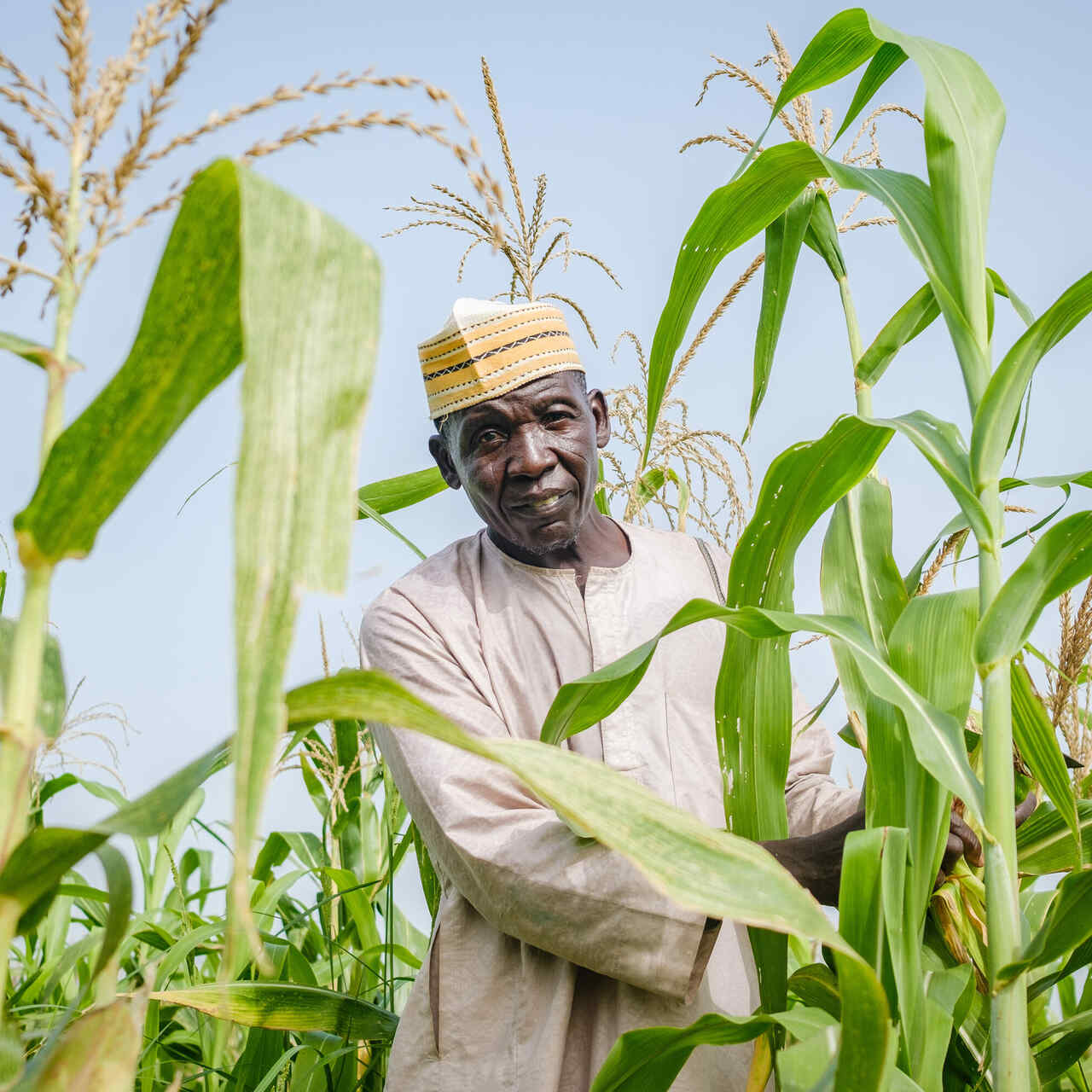
Earth Day is the perfect time to slow down and appreciate the natural world around us. From drought-resistant grains to fruit trees that thrive in extreme heat, these crops play a vital role in feeding families and supporting livelihoods worldwide.
This quiz is your chance to explore the amazing world of plants, with fun facts and surprising discoveries to see how much you really know!
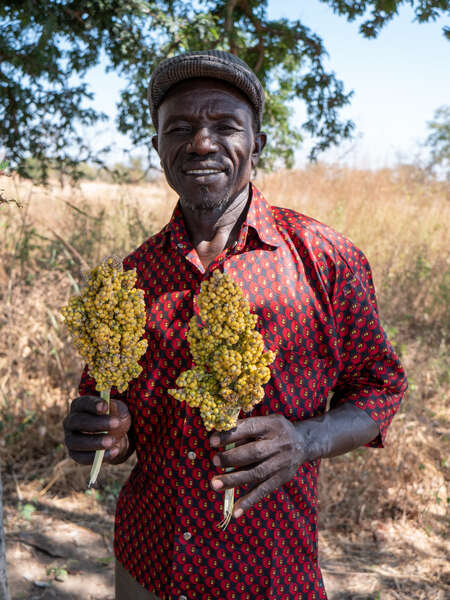
Sorghum is a drought-resistant crop that thrives in hot, dry climates, making it especially important in countries like South Sudan, where it plays an important role in food security because it can survive with little rainfall.
The IRC has been working in South Sudan since 1989, providing support to communities facing conflict, climate shocks and life-threatening food insecurity. Our programs focusing on climate-resilient agriculture help people facing food insecurity in drought affected regions.
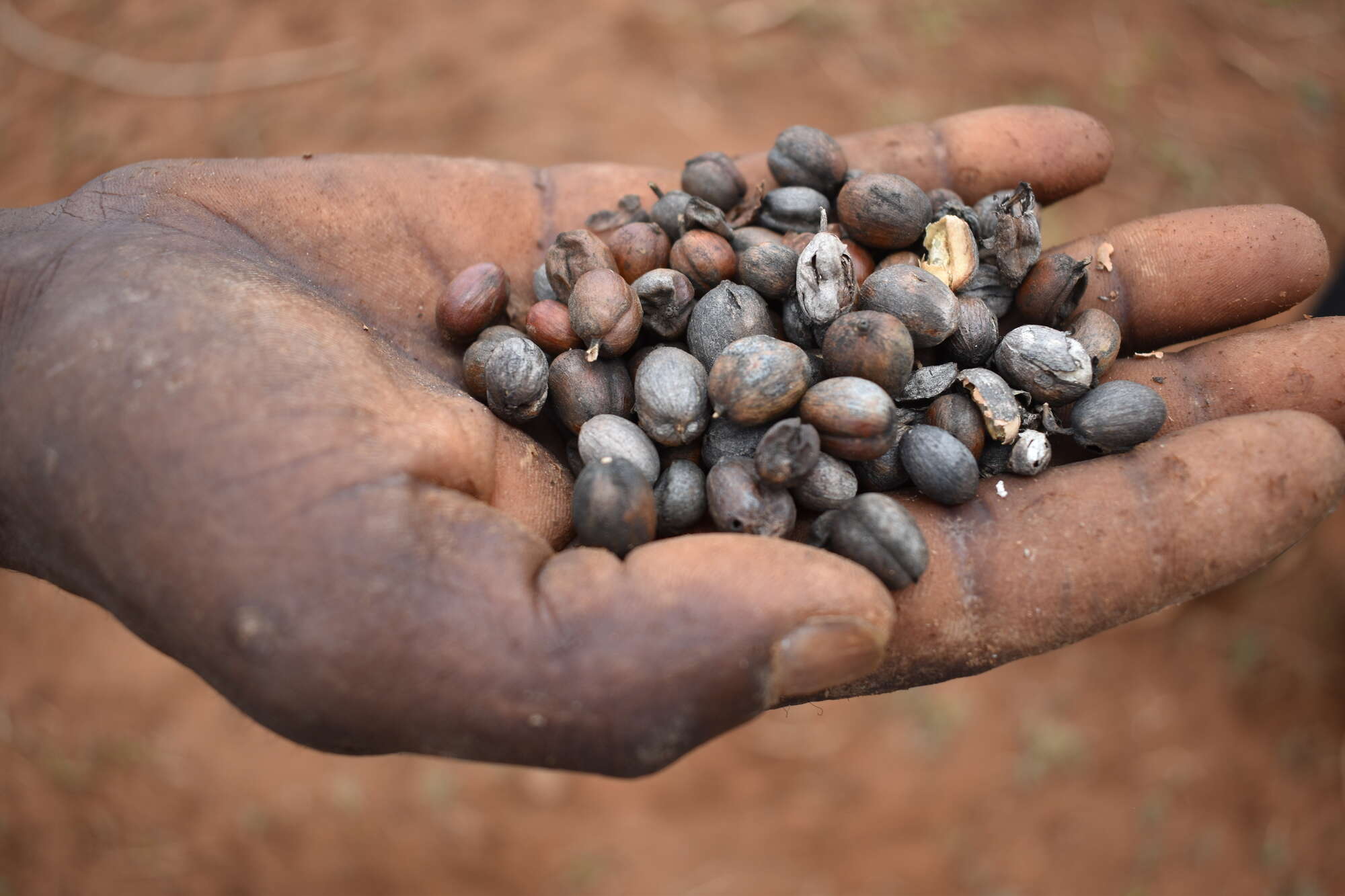
Ethiopia is one of the world’s largest coffee producers and is widely considered the birthplace of coffee. Coffee farming supports millions of livelihoods there.
In Ethiopia, years of instability have left millions of people without reliable access to food, health care and clean water
The IRC began its operations in Ethiopia in 2000. We respond through multi-sectoral programming in health and nutrition, child protection, education, women’s protection and empowerment, economic recovery and development, and environmental health.
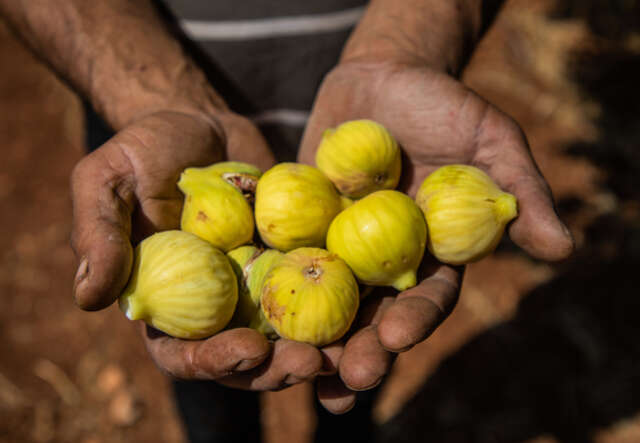
Figs are one of the earliest cultivated fruit trees, originally native to the Mediterranean and parts of western and southern Asia, and they grow best in warm, sunny climates. Fresh figs are typically in season from August through October.
The IRC has been delivering critical humanitarian services in Lebanon since 2012, and is responding to the latest escalation in violence.
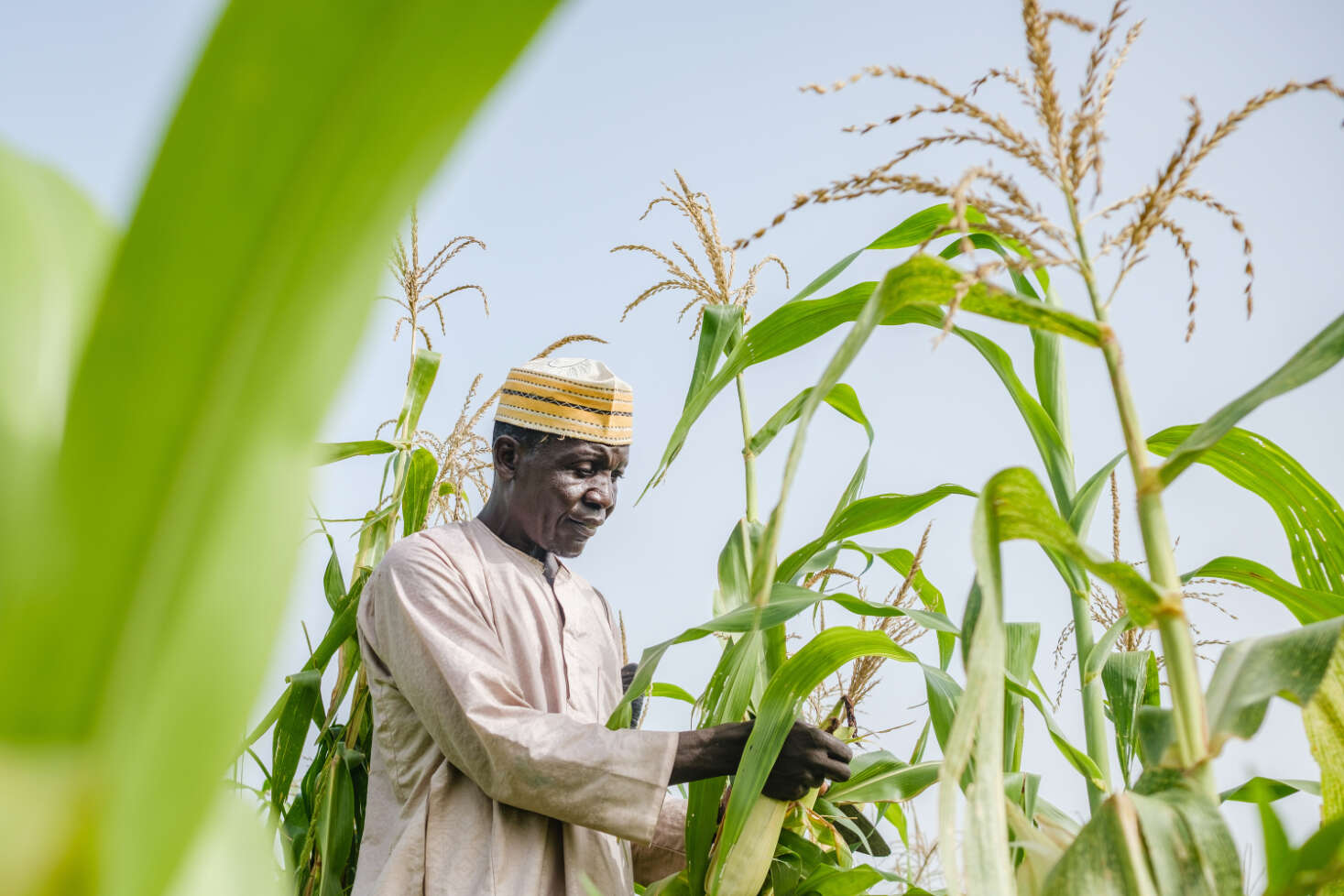
Rice is typically grown in water-filled fields called paddies, making it well suited to regions with heavy rainfall or controlled irrigation. It is widely grown in countries such as Bangladesh, Myanmar, and Nigeria where the IRC works.
Shaibu Mohammed (pictured) is a rice farmer in flood-prone northeast Nigeria. With funding from Google.org, the IRC’s climate resilience project provided early warning systems and anticipatory cash payments to help farmers to prepare and adapt before floods happen.
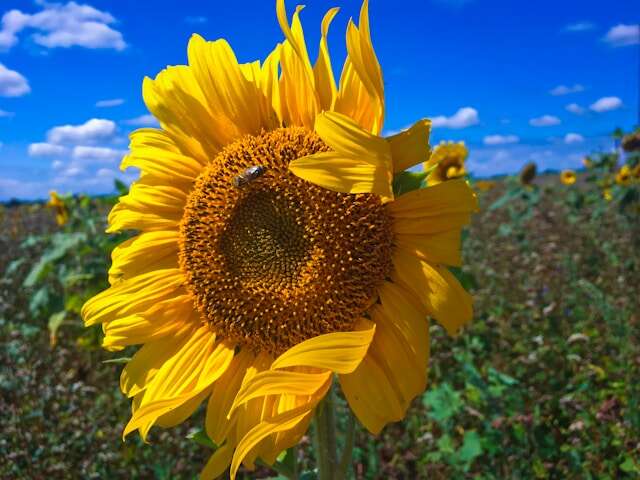
Sunflowers are strongly linked to Ukraine, as the country is one of the world’s leading producers of sunflower seeds and oil.
They are also a national symbol of Ukraine, representing peace and resilience.
The IRC has been on the ground in Ukraine since 2022, providing vital support to millions of people affected by the war.
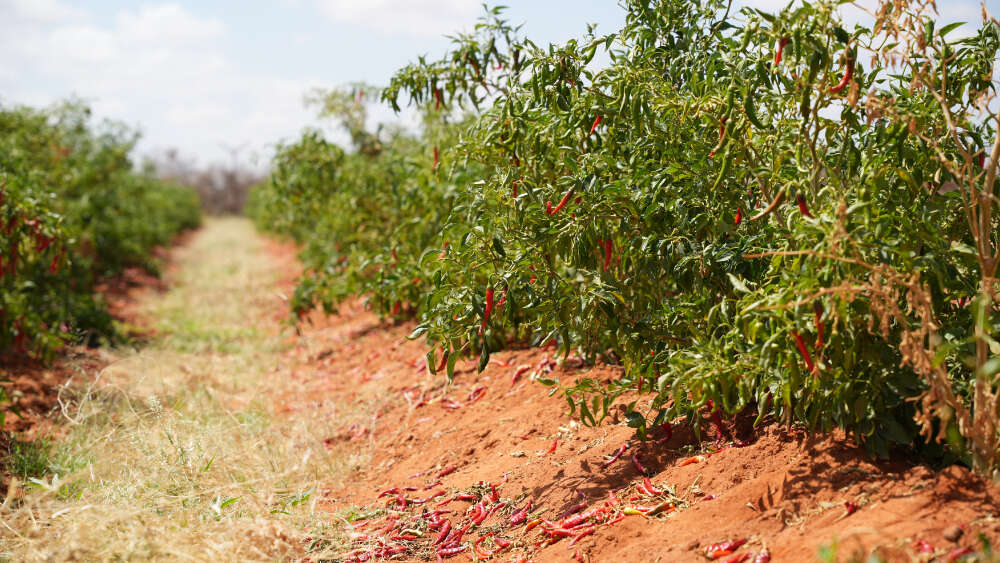
A chilli pepper is a fruit from the Capsicum plant, commonly used to add spice and flavour to food. Its heat comes from a natural compound called capsaicin.
Farmers in the drought-affected Mudug region of Somalia are adapting their crops and using drought resistant alternatives, including the thriving chili plants pictured here.
'This place used to be open and barren, but now it is alive' says Mohamed Abdul Ali, a farmer supported by the project, which is funded by the UK Foreign, Commonwealth & Development Office (FCDO).
We hope you enjoyed learning more about the plants and crops that help sustain life around the world—how did you do? 🌱
Earth Day is a great reminder of how much we rely on nature every day, from the air we breathe to the food we eat. When nature is affected by climate change, conflict, or disasters, it’s often communities already facing hardship who feel it first.
If you found this quiz meaningful, you may wish to support the IRC’s work. Your support helps deliver urgent assistance such as food, clean water, and emergency relief, helping families survive, recover and rebuild their lives.