Test your knowledge
Can you guess these countries and regions around the world by their outlines on a map?
Use your geographical expertise to reveal the locations highlighted and learn important things you should know about each place along the way. For a bonus point, can you identify what connects these places to the IRC?
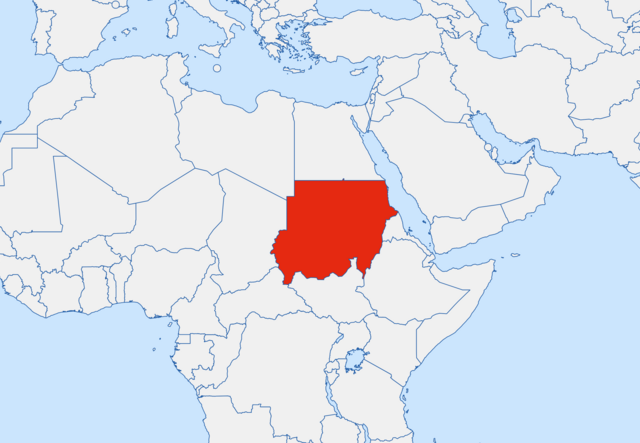
It is Sudan, where there are 255 known pyramids, built during the ancient Kingdom of Kush. That's more than double the number constructed in ancient Egypt.
What you should know: Sudan tops the IRC's Emergency Watchlist for 2026 as the world's most pressing humanitarian crisis. Civil war in the region has led to millions of people becoming displaced while extreme food shortages are causing malnutrition and even famine.
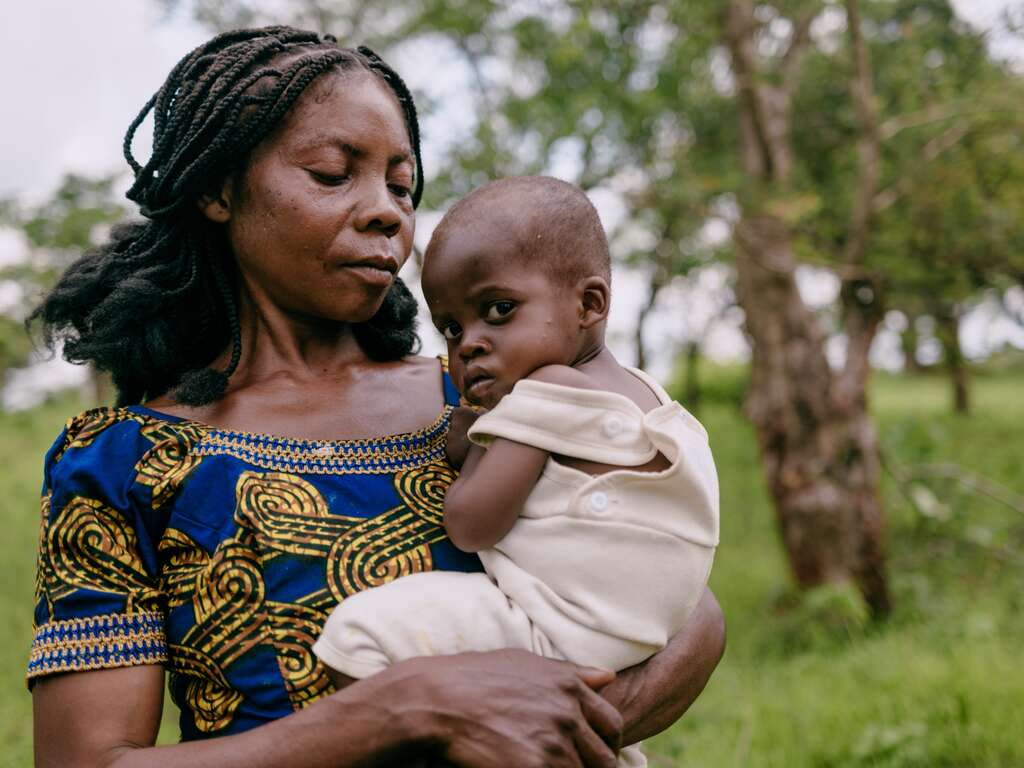
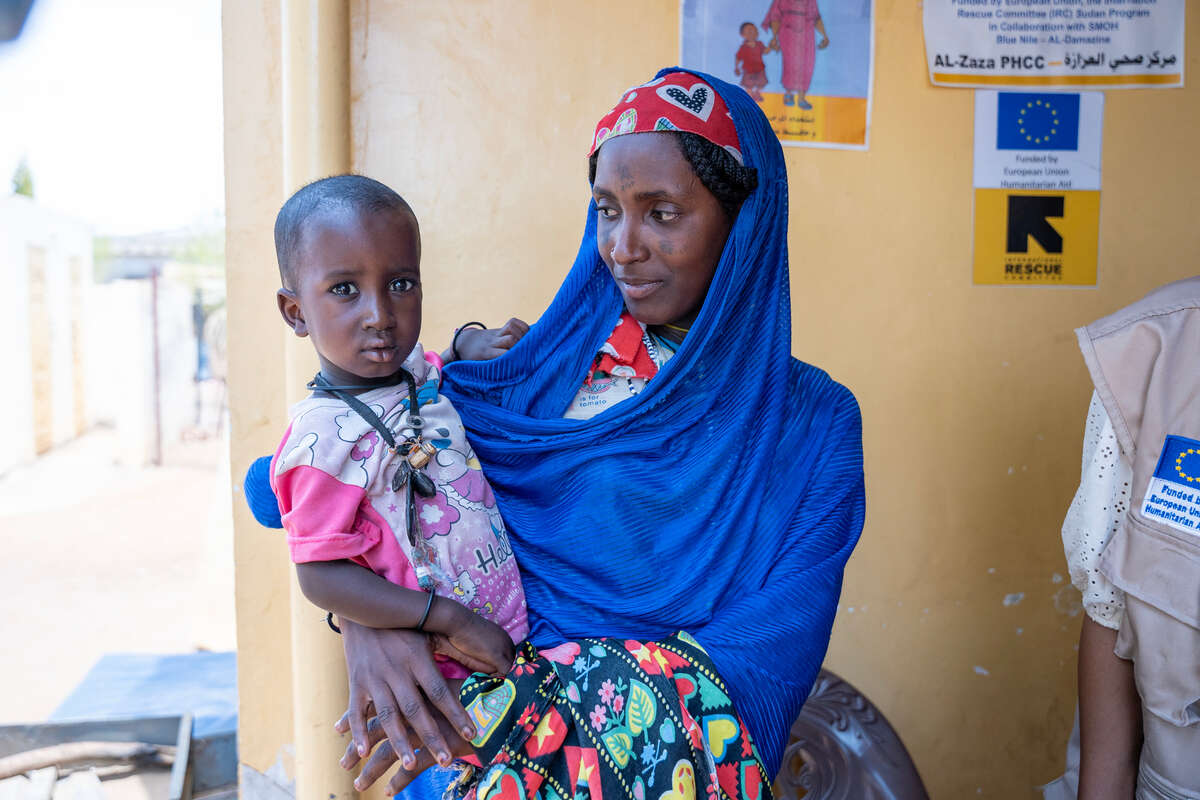
Halima (pictured) lives in a remote village in Sudan's Blue Nile region where food supplies and health facilities are scarce. Worried for her daughter's health, she took her to an IRC clinic where she was diagnosed with malnutrition and quickly enrolled in a treatment program. The IRC is scaling up our humanitarian response to address the increasing needs of displaced communities within Sudan.
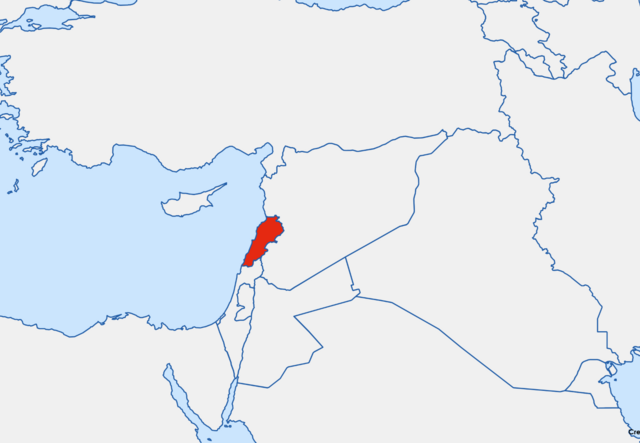
It is Lebanon.
What you should know: 4.1 million people need humanitarian assistance in Lebanon, primarily due to the long-term consequences of the 2023-2024 conflict. Lebanon also hosts approximately 1 million Syrian refugees—the highest number of refugees per capita in the world—most living in extreme poverty and legal insecurity, unable to work legally.
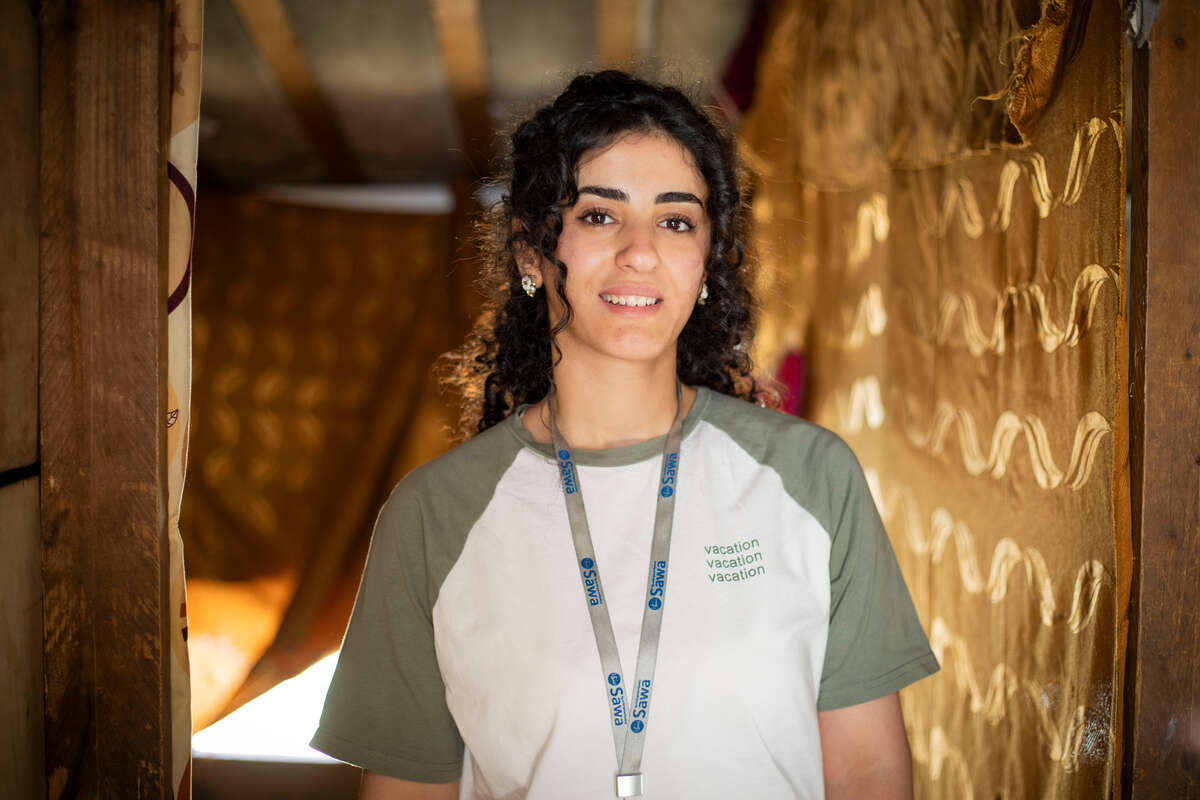
Together with local partners, the IRC provides protection monitoring, emergency cash assistance, legal support, and case management for people at risk. Israa (pictured) is a social worker with the IRC’s local partner SAWA.
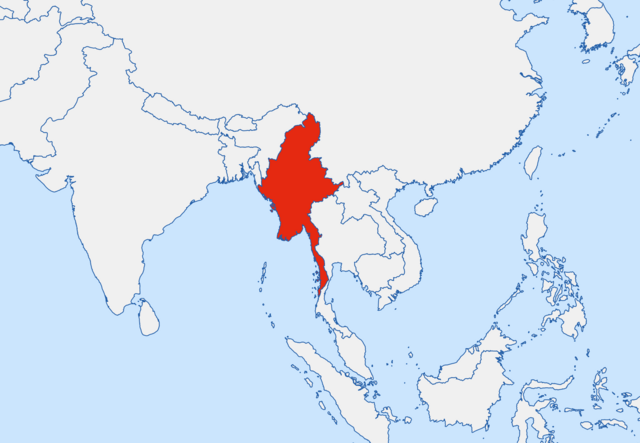
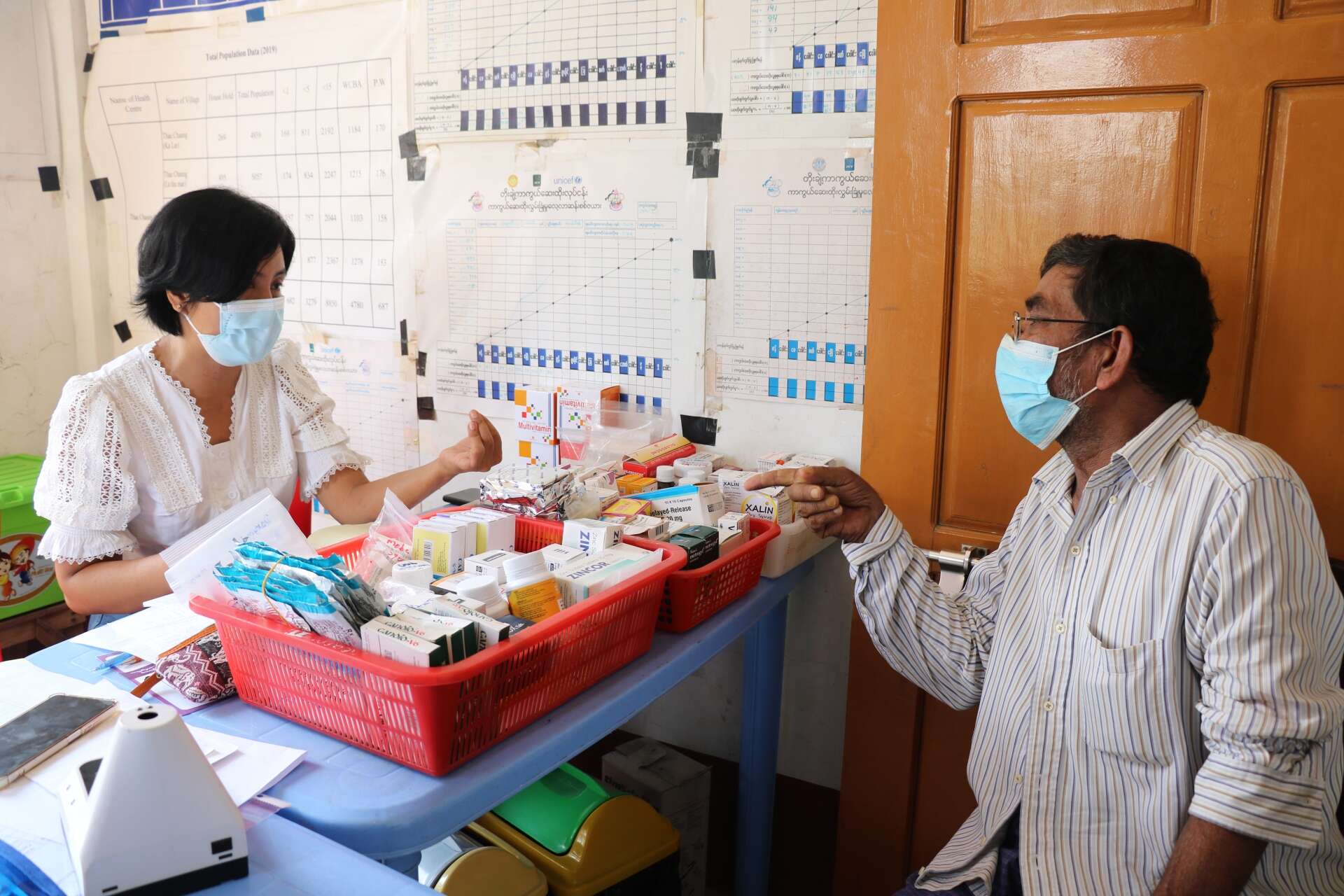
Myanmar is the correct answer. The country was formerly known as Burma.
What you should know: Violence in Myanmar has worsened since 2021. Millions are now in humanitarian need, and the number of people who have fled their homes to find safety has risen rapidly, surpassing 3 million in 2024. The major earthquake in March 2025 further exacerbated the situation
Pictured: An IRC clinic nurse treats patients in a camp for displaced people within Myanmar.
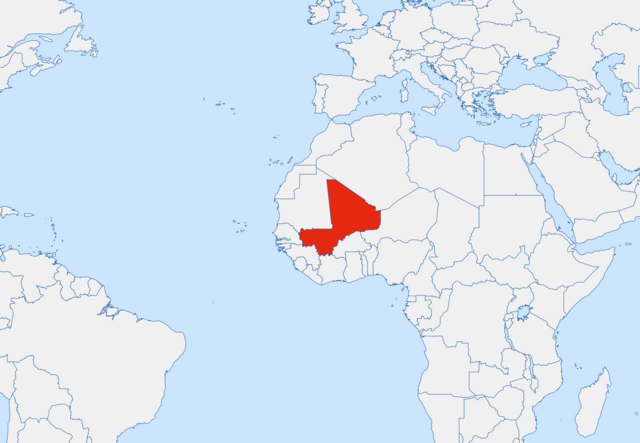
Timbuktu is an ancient city in Mali, situated 20 kilometres north of the Niger River.
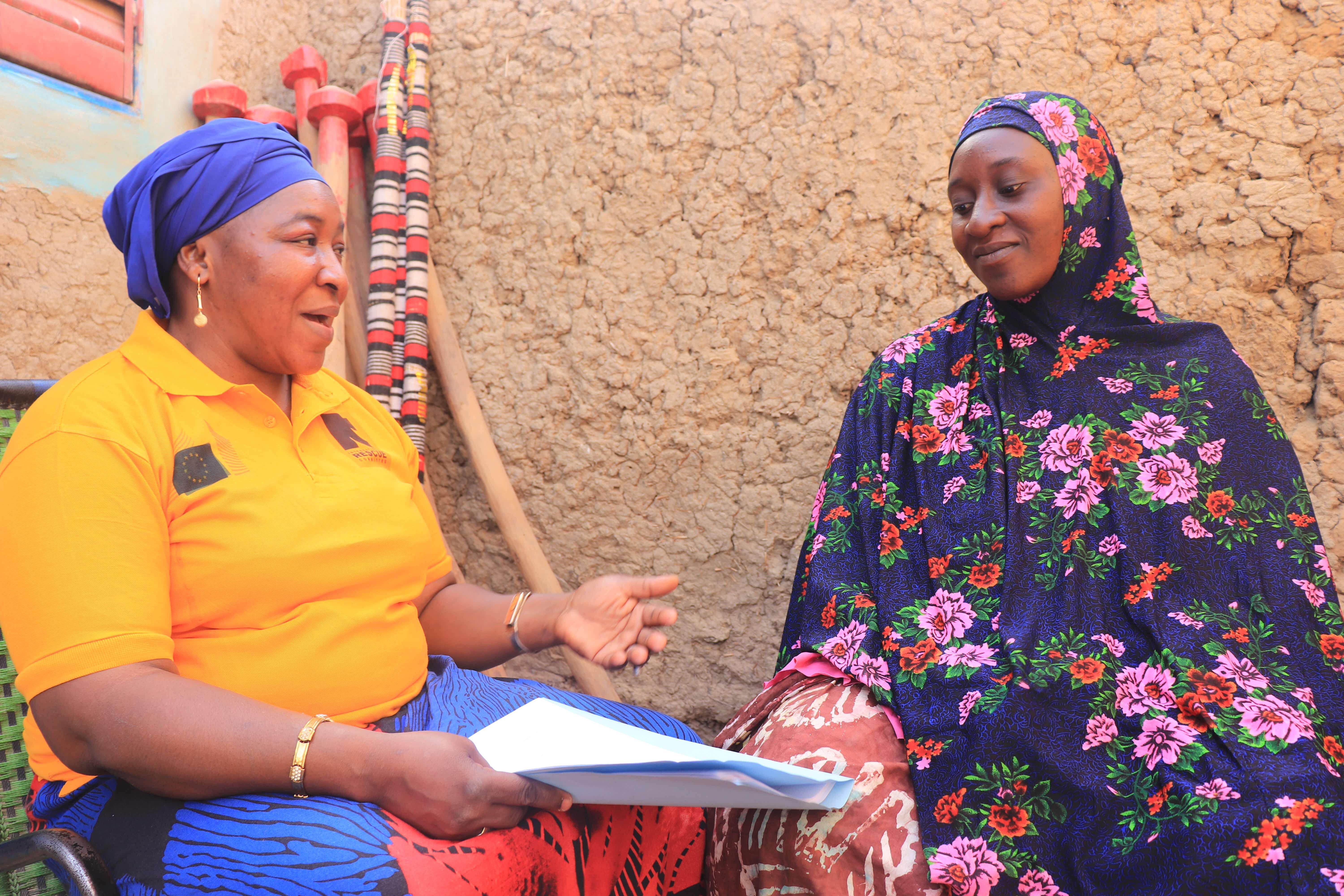
What you should know: Over seven million Malians—almost one third of the population—are living through one of the most complex humanitarian crises of our time. A deadly mix of insecurity, extreme weather, displacement and hunger is devastating communities, particularly in the central region of Mopti.
Pictured: IRC mobile midwife Aminata speaks with a patient in Ténenkou, Mali
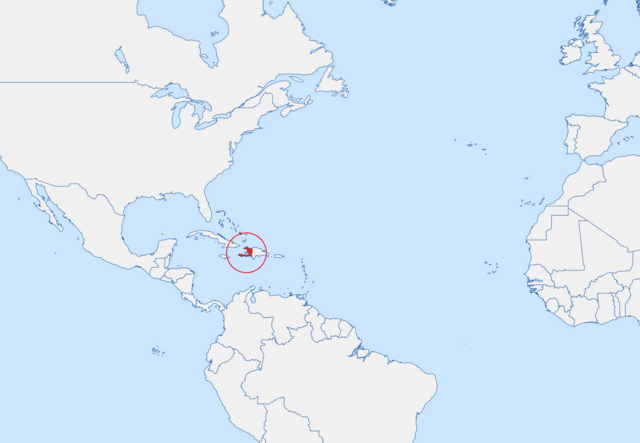
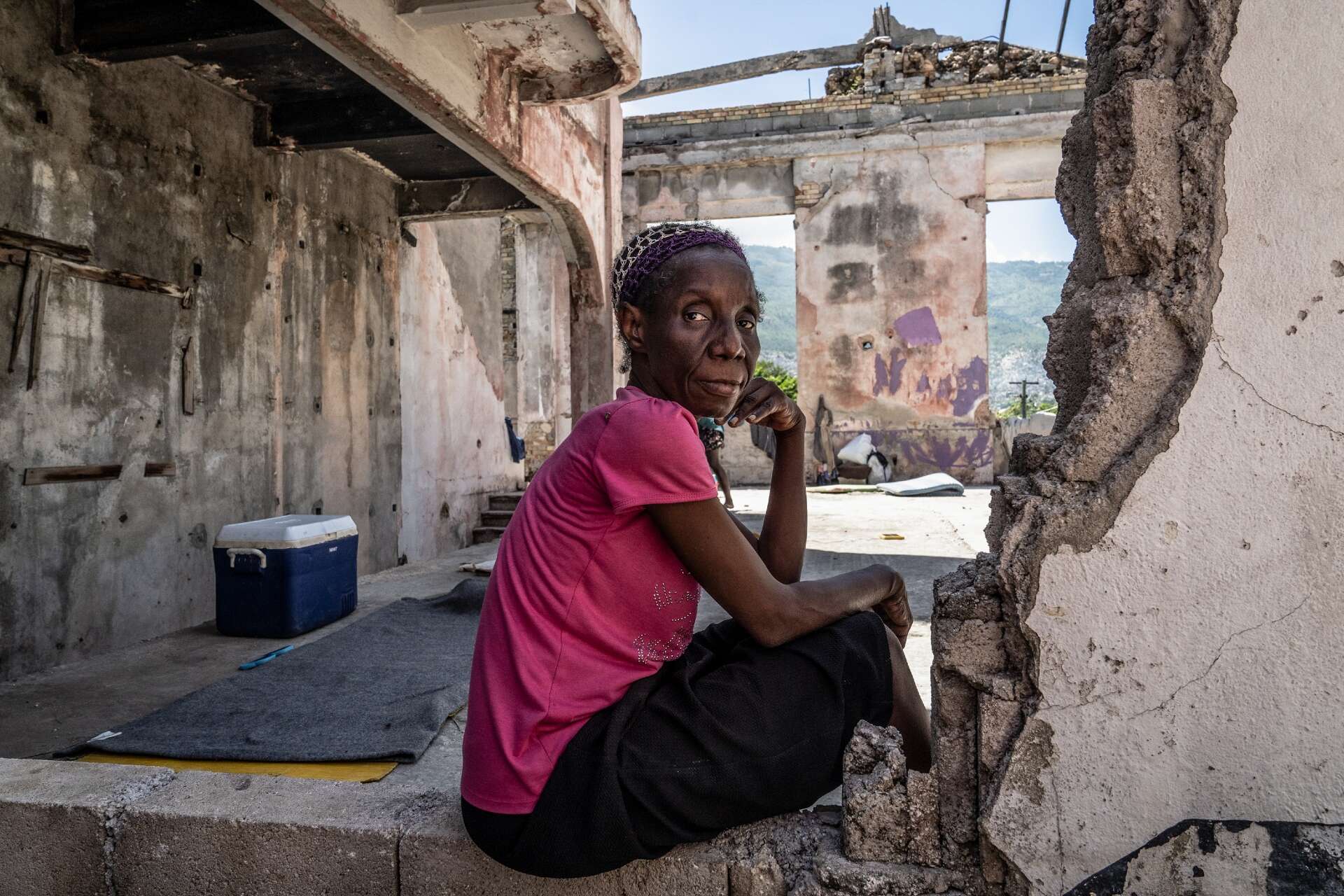
It is Haiti, which was hit by a major earthquake in 2021.
What you should know: In addition to natural disasters, gang violence and governmental instability have thrown Haiti into a state of crisis in recent years. Millions of Haitians are now facing violence, hunger and displacement. The IRC’s Emergency Watchlist is warning that this situation could get worse, with aid being cut while humanitarian needs are increasing.
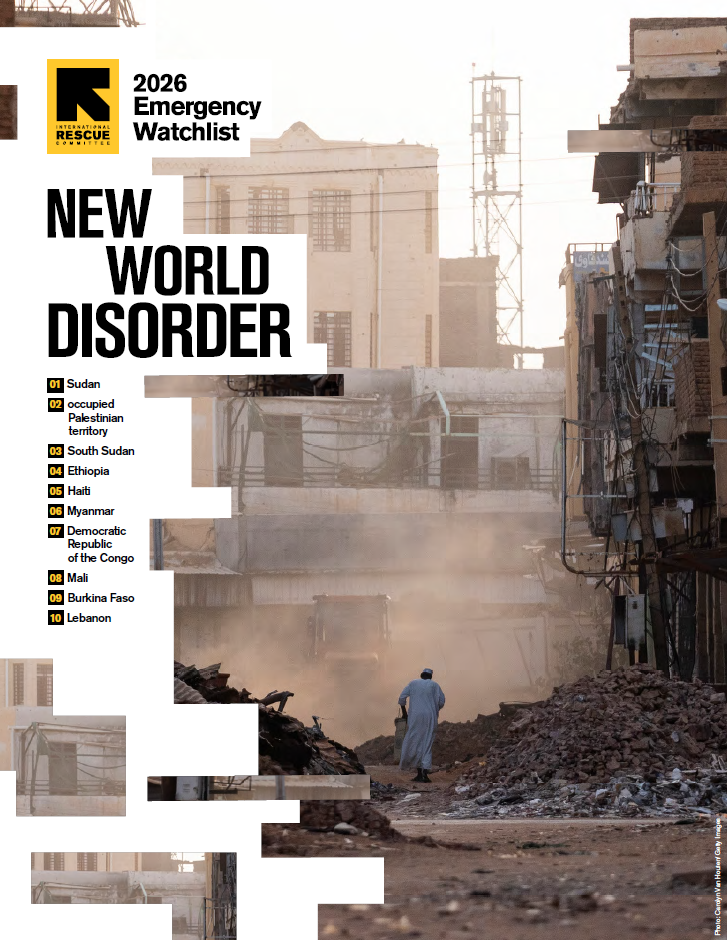
These countries are all featured on the IRC’s Emergency Watchlist 2026. This report is the International Rescue Committee’s (IRC) annual assessment of the 20 countries at greatest risk of new or worsening humanitarian emergencies.
This year’s Emergency Watchlist comes at an unprecedented moment. Its theme, “New World Disorder,” sounds the alarm on a dangerous divergence: as humanitarian crises are surging, the global support to address them is collapsing. The surging crises and shrinking support that IRC’s clients face are not just a humanitarian failure, but instead the direct consequence of the geopolitical trends redefining how countries interact with one another.
Read the full Emergency Watchlist to find out about the crises the world can't ignore in 2026.
Learn more about the world's most pressing crises, how the IRC is responding, and what more needs to be done to address them.
The International Rescue Committee (IRC) helps people affected by humanitarian crises to survive, recover and rebuild their lives. We deliver lasting impact by providing health care, helping children learn, and empowering individuals and communities to become self-reliant, always with a focus on the unique needs of women and girls. Our work spans more than 40 crisis-affected countries, and we provide resettlement, asylum, and integration services in communities across the United States and Europe, including supporting refugees rebuilding their lives in the UK.