Emergencies
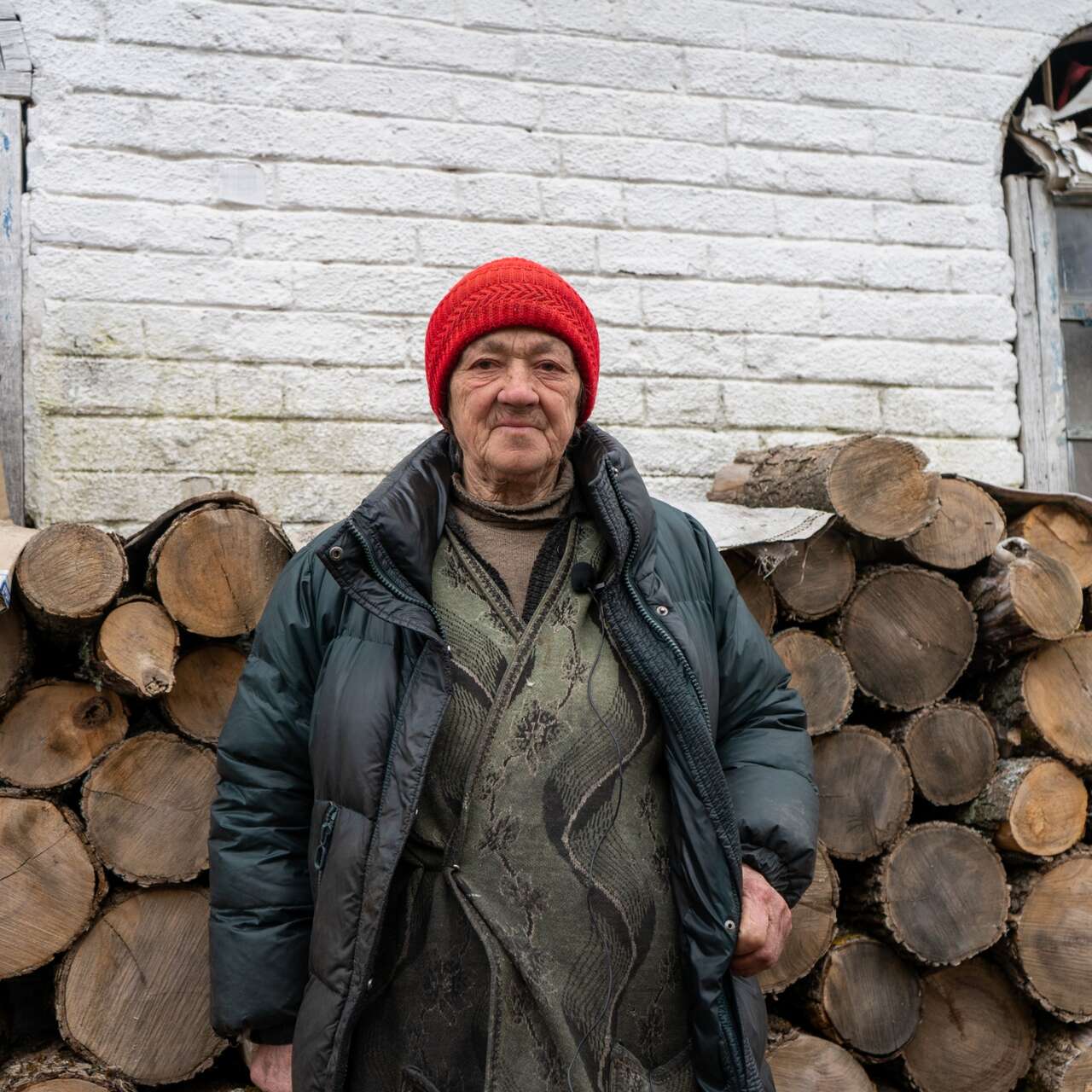
Ukraine is facing what could be the toughest winter since the crisis began in February 2022.
Millions are struggling to stay warm in damaged buildings with depleted resources and little to no savings to carry them through the cold months. Meanwhile, drone and missile strikes are taking an even heavier toll and civilian casualties have surged dramatically in 2025.
The International Rescue Committee (IRC) has been on the ground in Ukraine since February 2022, providing support to millions of people affected by the war. Here’s what you need to know about the ongoing humanitarian crisis right now, and how you can help.
You can help: Donate to support our work.
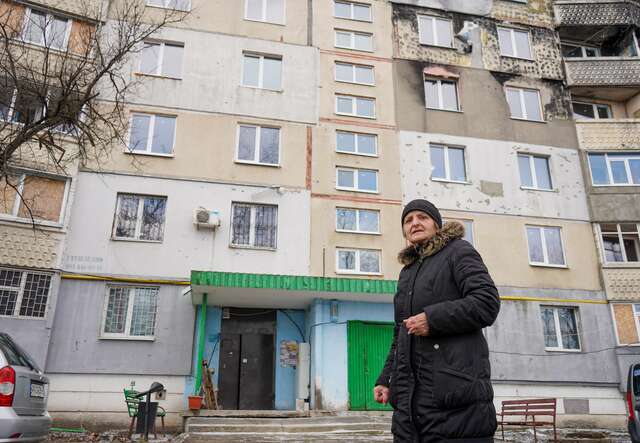
Currently, more than 12.7 million people require humanitarian assistance and nearly 11 million people–about a quarter of the pre-war population–have been forced out of their homes, with 3.6 million internally displaced.
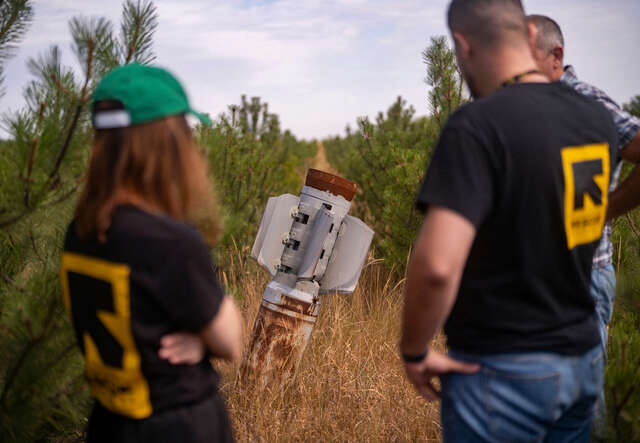
From January to October, the number of civilian casualties was 27% higher compared to the same period last year, already surpassing the total for all of 2024. In October alone, at least 148 civilians were killed and 929 injured, continuing the high toll seen in the previous two months.
Between March and May, more than 42,000 people were displaced from frontline areas. in April, 41.1% of IRC-surveyed households reported their homes damaged or destroyed, while some nation-wide estimates suggest nearly 2 million homes suffering a level of destruction. Civilians are increasingly vulnerable amid sustained hostilities and dropping temperatures.
Massive strikes on the Ukraine’s power-grids continue and power was cut for as long as 16 hours a day across most of Ukraine earlier in November. Ukraine has reportedly lost 60% of its power grid capacity and nearly depleted its gas reserves last winter. This shortage is expected to lead to heating supply deficits - such as solid fuel - and make it difficult for people to heat their homes due to increased prices.
As temperatures plummet, over 50% of the population has unmet health needs, likely to be exacerbated by the cold. Families will struggle to stay warm without heat or power and without money to buy warm clothing, fuel or firewood. Many are living in homes and buildings that have been damaged by the conflict, with broken windows and damaged walls that allow the cold to seep in.
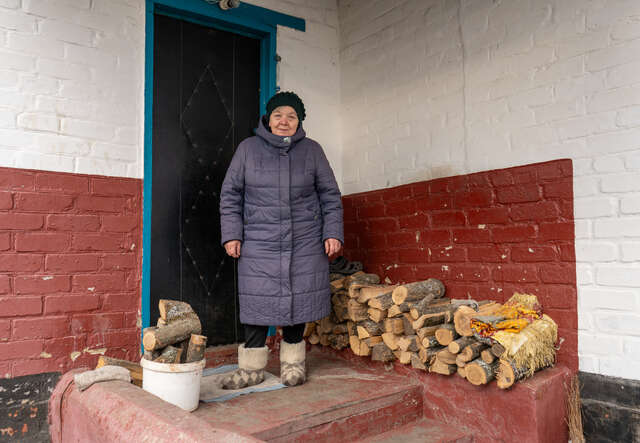
The IRC is providing cash assistance to highly vulnerable households in Kharkiv, so they can purchase heating supplies for their homes, such as gas stoves and power banks, as well as warm blankets, coats and other winter gear. We are focusing our efforts on households with elderly people, a family member living with a disability or an injury, and other vulnerable individuals.
Why do we give cash? Cash assistance is a flexible form of aid that allows families to decide specifically what they need most to get through the winter. Learn more about why cash assistance is so effective.
IRC’s medical teams are reaching people where help is needed the most. From frontline villages to remote communities, we provide a range of essential health services, including primary health care, sexual and reproductive health care and mental health support. With our mobile medical units operating in frontline communities, we bring basic services-like check-ups, glucose tests, ultrasounds and essential medications-directly to the elderly, people with chronic conditions, women and children. We also equip medical facilities across the country with medical supplies, equipment and medicines.

To address the growing mental health needs across Ukraine, the IRC provides mental health counseling and psychosocial support to children, families, frontline workers and others experiencing emotional distress. Our mental health specialists work across seven regions and offer individual and group sessions. We also run safe healing and learning spaces to help children cope with the trauma of war.

Since the war escalated in February 2022, the IRC has supported millions of Ukrainians affected by the conflict. Our work extends from helping people caught in the midst of the conflict on Ukrainian frontlines, all the way to our services for Ukrainian refugees recovering and rebuilding their lives in Europe and the United Kingdom.
Donate today to help support our work.
The International Rescue Committee (IRC) helps people affected by humanitarian crises to survive, recover and rebuild their lives. We deliver lasting impact by providing health care, helping children learn, and empowering individuals and communities to become self-reliant, always with a focus on the unique needs of women and girls. Our work spans more than 40 crisis-affected countries, and we provide resettlement, asylum, and integration services in communities across the United States and Europe, including supporting refugees rebuilding their lives in the UK.