In 2021 we continued to work in over 40 countries around the world. These are some of the highlights for the past year.
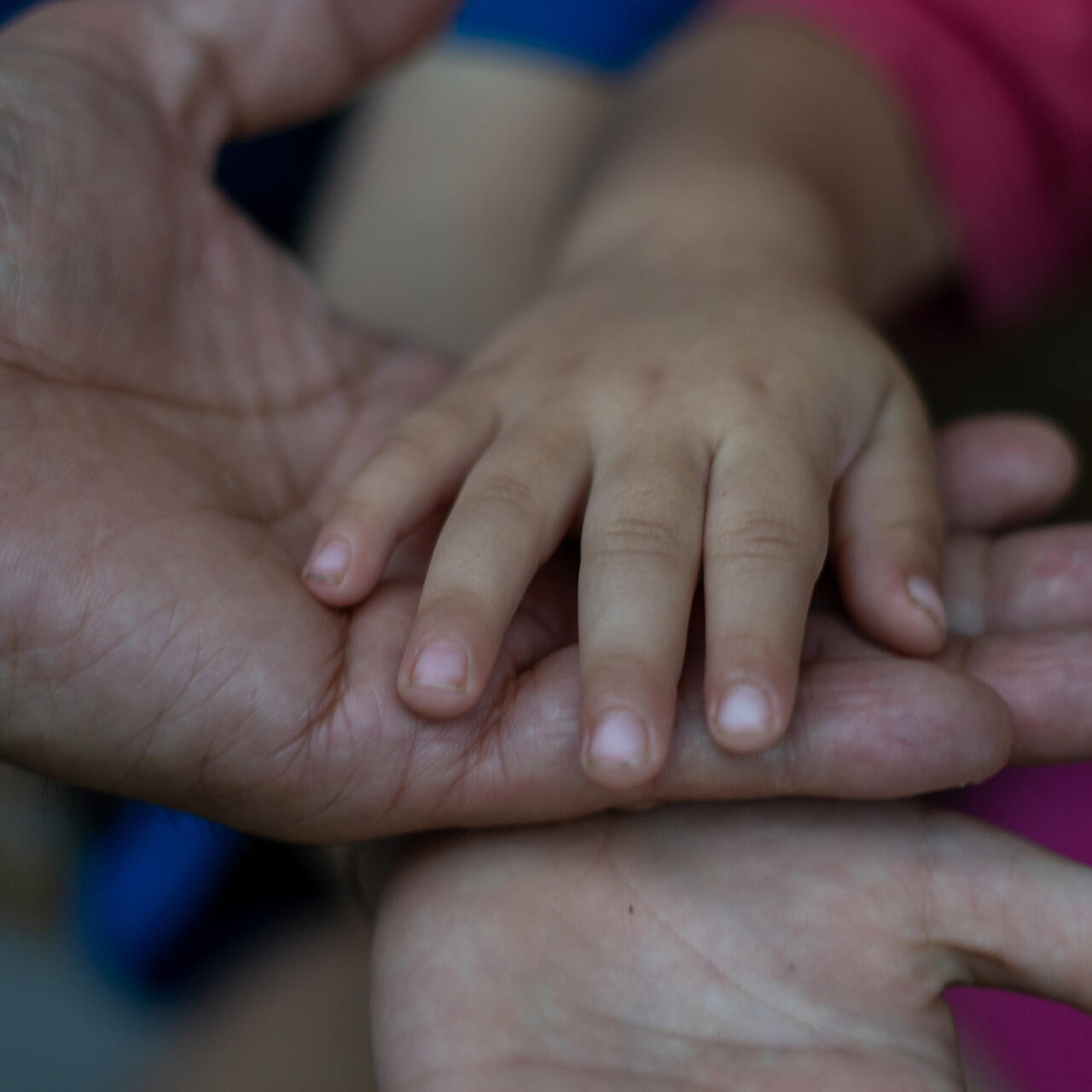
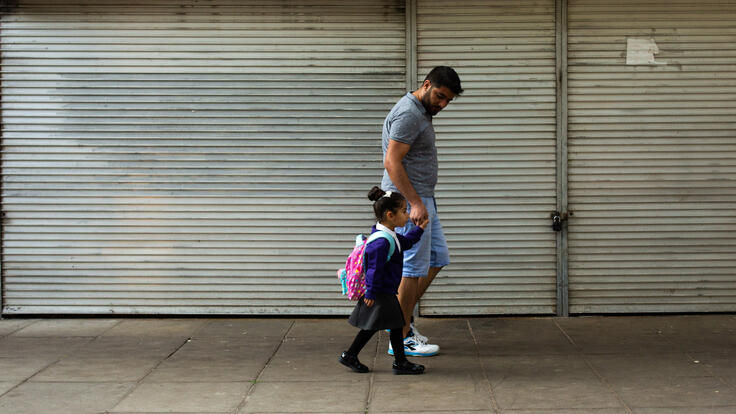
Since January 2021, the IRC has been partnering with local government to deliver the Refugees Integration in Southeast of England [RISE] programme designed to empower refugees to actively engage in their new communities and become self-sufficient. The IRC UK’s RISE programme is helping to equip newly arrived refugees in the UK with the pathways they need to rebuild their lives in their new communities. IRC clients, Maasom and Hiba, arrived in the UK as refugees seeking medical treatment for their young daughter. With the help of the IRC’s Cultural Orientation Programme, the family is now settled into life in the UK and are finding new opportunities for their young family.
COVID-19 has put the greatest strain on communities facing conflict and crisis, exacerbating humanitarian needs and putting additional pressures on already fragile societies. While wealthier nations begin to offer already fully vaccinated populations a third dose, many countries lag far behind—and many high-risk populations are struggling to even obtain their first. In the 20 countries identified by the IRC to be at greatest risk of a major humanitarian crisis in 2021, only 2.4 percent of people have been fully vaccinated, and less than 5 percent have received a single dose.
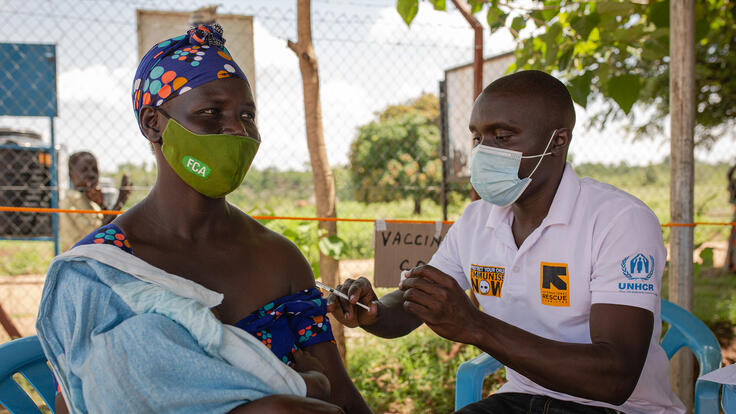
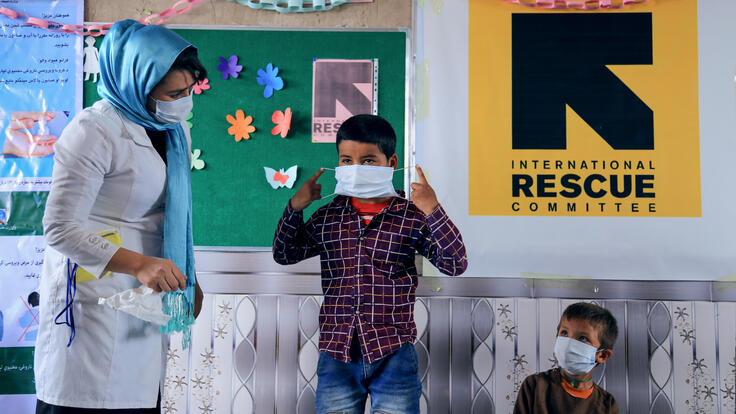
Throughout the pandemic, the IRC has been providing essential health care services, sharing vital information on the virus and vaccines through a myriad of channels, training health workers and clients on best practices for slowing the rate of transmission and helping our teams around the world plan for, deliver and administer vaccines.
In addition to our information sharing around infection prevention and efforts to meet immediate health and economic needs exacerbated by the pandemic, we are also delivering COVID-19 vaccinations to refugees and displaced people in Uganda, Kenya, Somalia, Sierra Leone, Nigeria, Bangladesh, Pakistan, Jordan and other countries where we work.
In August 2021, the world watched as the Afghanistan government was overthrown. Since then, we have seen over a hundred thousand Afghans flee the country with millions remaining at home in dire need of aid such as access to health care, cash to buy food and shelter, and protection and education services. In response to the dire need, the IRC launched a global response to the crisis, serving clients in Afghanistan as well as Afghan clients who sought safety in the U.S. and in third countries such as Mexico and Uganda. The IRC provides critical humanitarian relief and recovery assistance in Afghanistan, working to build brighter futures in partnership with people whose lives are shattered by conflict and disaster.
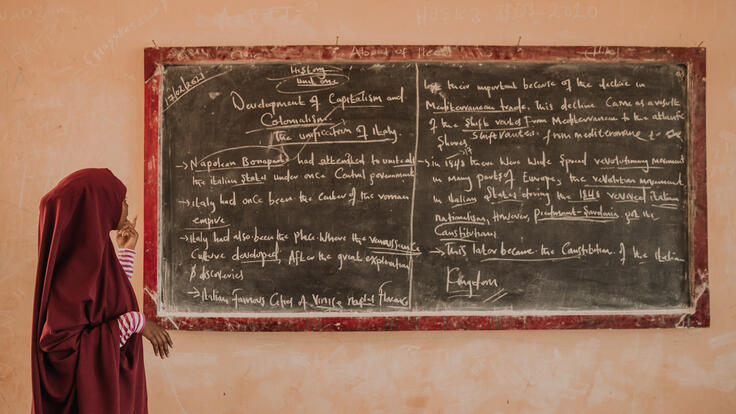
As Afghanistan experiences chaos following decades of crisis, the IRC’s experience and expertise are more valuable than ever. The IRC provides uprooted families with tents, clean water, sanitation and other basic necessities. We support over 100 health facilities, install hand-washing stations in local communities, and provide information and training sessions about COVID-19. We also provide safe learning spaces in rural areas, help people find employment and work with local communities to identify, plan and manage their own development projects.
Ethiopia is second only to Yemen for the total number of people in need in 2021. Conflict, which erupted in late 2020, is driving a rapid rise in humanitarian needs, including refugee movements into Sudan, amid allegations of violence against civilians. The IRC has a long presence in Shire camps of Tigray region since 2001. During this 19+ years of presence in the area, the IRC has provided quality WASH services to the progressively increasing number of Eritrean refugees who were hosted in four refugee camps. The IRC is supporting refugees within Tigray with clean water and sanitation, protection, reproductive healthcare and education. As we enter 2022, the IRC is closely monitoring the situation and will continue to adapt program delivery to meet the growing needs. All parties must ensure life-saving aid can continue uninterrupted.
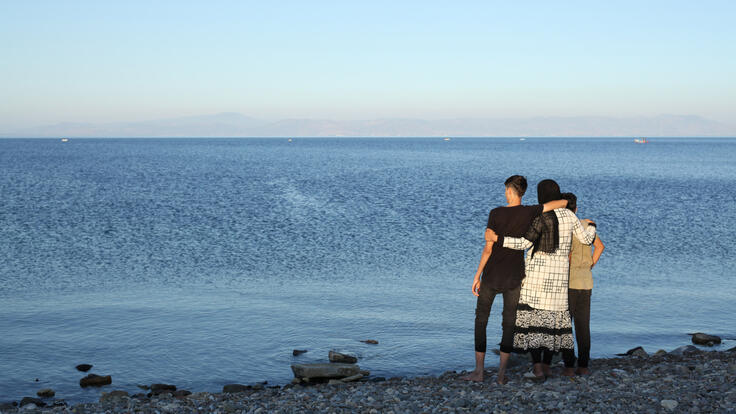
Since 2015, more than one million people fleeing violence in the Middle East and South and Central Asia have seen Greece as an entry point to Europe. Today, more than 60,000 of them are in something of a perpetual holding pattern. We have served 30,000 people in Greece since we started working there in July of 2015, collaborating closely with the country’s authorities to help improve living conditions in the transit sites and ensure refugees receive the critical aid they need.
In Greece, the IRC is focused on livelihoods programming to support integration and is working with local partners to implement self-employment and employment readiness programs for both refugees and local residents. The IRC is also collaborating with Greece’s ministry of migration policy and local and international humanitarian organisations to address violence against women and girls and to meet the mental health and psychosocial needs of all refugees and asylum seekers. Our teams also provide much-needed water, sanitation and hygiene, ensuring access to drinking water, toilets, hot showers and laundry facilities, as well as education on hygiene techniques to prevent the spread of disease.
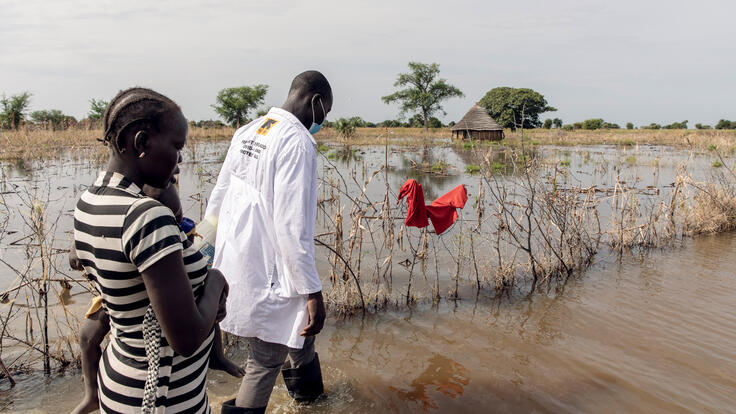
In April 2021, the IRC released our Climate Action Plan, which has set us on a course to change how we work in order to reduce our own carbon footprint. From improving our climate sustainability to incorporating climate resilient approaches across our operational models, the IRC will face head-on our generation’s collective challenge to serve as better stewards for the planet.
We also partner with other organisations to advocate for policy changes to drastically reduce greenhouse gas emissions and lessen the effects of climate change on people with the least power and fewest resources.
Learn more about how the IRC is addressing the effects of global climate change.