International Women's Day
10 women leaders and activists and making the world a better place
From championing refugee rights to advocating for other women, we’re celebrating these women leaders who won’t wait for change to happen.
From championing refugee rights to advocating for other women, we’re celebrating these women leaders who won’t wait for change to happen.
When a crisis hits, it’s women and girls that are most affected. They experience increased gender-based violence and a loss of income can put them more at risk of early, child, or forced marriage. But instead of waiting for conflicts to end, for someone else to step in, or for laws to pass to help them, women are stepping up and being the first responders, changemakers, and activists that their families, local communities and women across the world need.
In honour of International Women’s Day, here are 10 women who are making the world a safer, better place, for everyone.
Malala was 15-years-old when she was targeted for advocating for girls' right to education in Pakistan. A gunman tried to kill her as she walked home from school. Malala survived the attack and she and her family moved to the UK, where she launched the Malala Fund a non-profit organisation that advocates for girls' education.
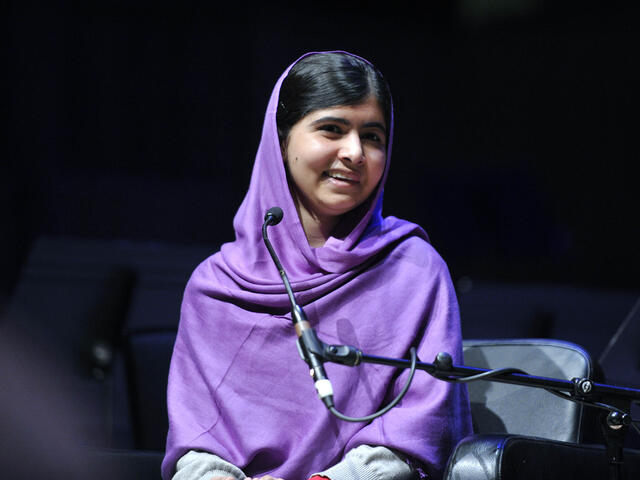
With more than 130 million girls out of school today, Malala continues to fight for girls' right to learn.
In 2014, at the age of 17, she became the youngest Nobel Peace Prize laureate for her work and the United Nations launched the ‘Malala Day,’ in honour of the young Pakistani activist’s fight for universal education.
Sara is a Syrian former competition swimmer, lifeguard and human rights activist, who took part in search and rescue missions, saving refugees making the crossing from Turkey to Greece.
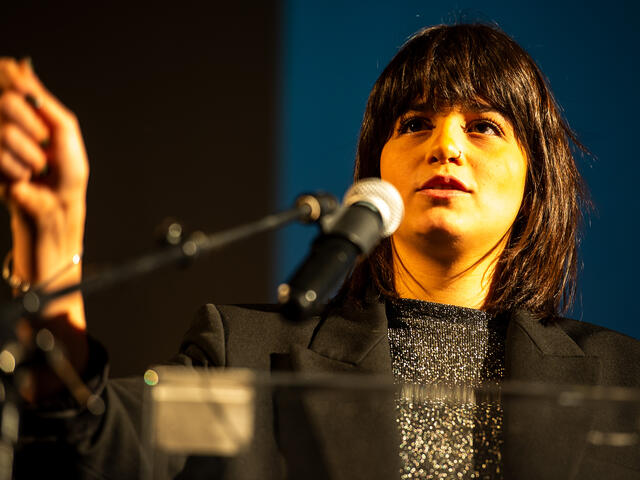
Sara and her younger sister, now Olympic swimmer Yusra Mardini, fled from Syria in 2015. When the boat they were escaping on started to sink in the Aegean Sea, the sisters swam the boat to safety, a journey chronicled in the Netflix movie, “The Swimmers.”
“I talk them through it,” Sara said. I tell them, ‘I know what you feel, because I’ve been through it. I lived it, and I survived’, and they feel better, because I am a refugee just like them.”
After the sisters were granted political asylum in Germany, Sara joined a non-governmental organisation that helped refugees arriving on the Greek island of Lesbos, working as a translator. “I talk them through it,” Sara said. I tell them, ‘I know what you feel, because I’ve been through it. I lived it, and I survived’, and they feel better, because I am a refugee just like them.”
Sara’s involvement in Lesbos led to her and other human rights activists being arrested in 2018, with charges which have been refuted heavily by organisations like Amnesty International. In January 2023, Sara went on trial with 24 other humanitarian aid workers, facing up to 25 years in prison for charges of "espionage," "migrant smuggling" and "money laundering" in Greece. After the court ruled that the charges of espionage were partially inadmissible, Sara and the other aid workers await a second trial to determine the charge of “migrant smuggling.”
Halima Aden is a Somali-American fashion model and activist. She was born at Kakuma Refugee Camp in Kenya and moved to the United States aged 6.
Halima broke boundaries at every step of her career, becoming the first hijab-wearing model to be signed to a major agency, walk international runways, and appear on the cover of Vogue magazine. Soon after, Halima became a UNICEF ambassador, through which she advocates for children’s rights and uses her platform to raise funds and awareness for the global refugee crisis.
“I need to be the person the kids in the refugee camps can relate to. The greatest thing I could give them is hope,” Halima says. “I want everyone to live to their full potential without having to fear someone will try to knock them down or discriminate against them.”
Waad is a Syrian activist who started out as a citizen journalist for Channel 4 news in 2011, through which her reports on the war were broadcast in the UK. Over time, as the war intensified, Waad chose to stay and document her life in Aleppo, during which she met her partner and gave birth to their first daughter, Sama.
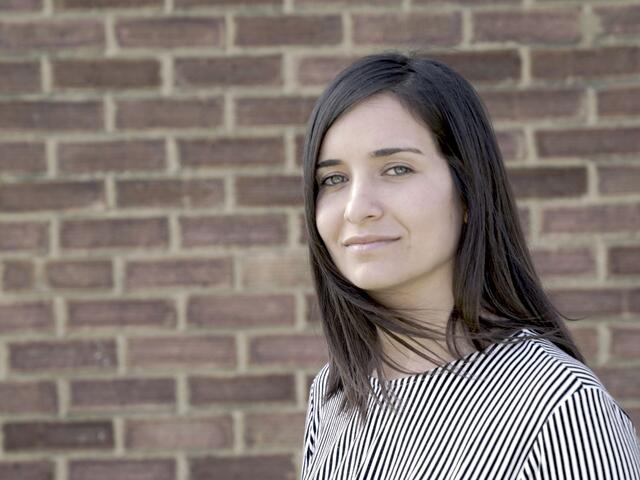
For Sama, Waad’s debut feature film which was dedicated to her first daughter, swept the awards ceremonies across the globe, winning Best Documentary at the BAFTAs, Cannes Film Festival, and the Emmys.
Having fled Aleppo in 2016, Waad, her husband, and her two daughters, now live in the United Kingdom, where she continues to work as a filmmaker/reporter for Channel 4 News, as well as being a mentor for female journalists. Outside of film, Waad dedicates time to her advocacy campaign, Action for Sama, which was set up to turn the worldwide support for the film into positive action for Syrians.
[*Al-Kataeb is the chosen pseudonym surname to protect Waad’s family.]
Nadia is an Iraqi Yazidi human rights activist who now lives in Germany. In 2014, Nadia was kidnapped from her home in Iraq by members of the group known as ISIS and held captive for three months.
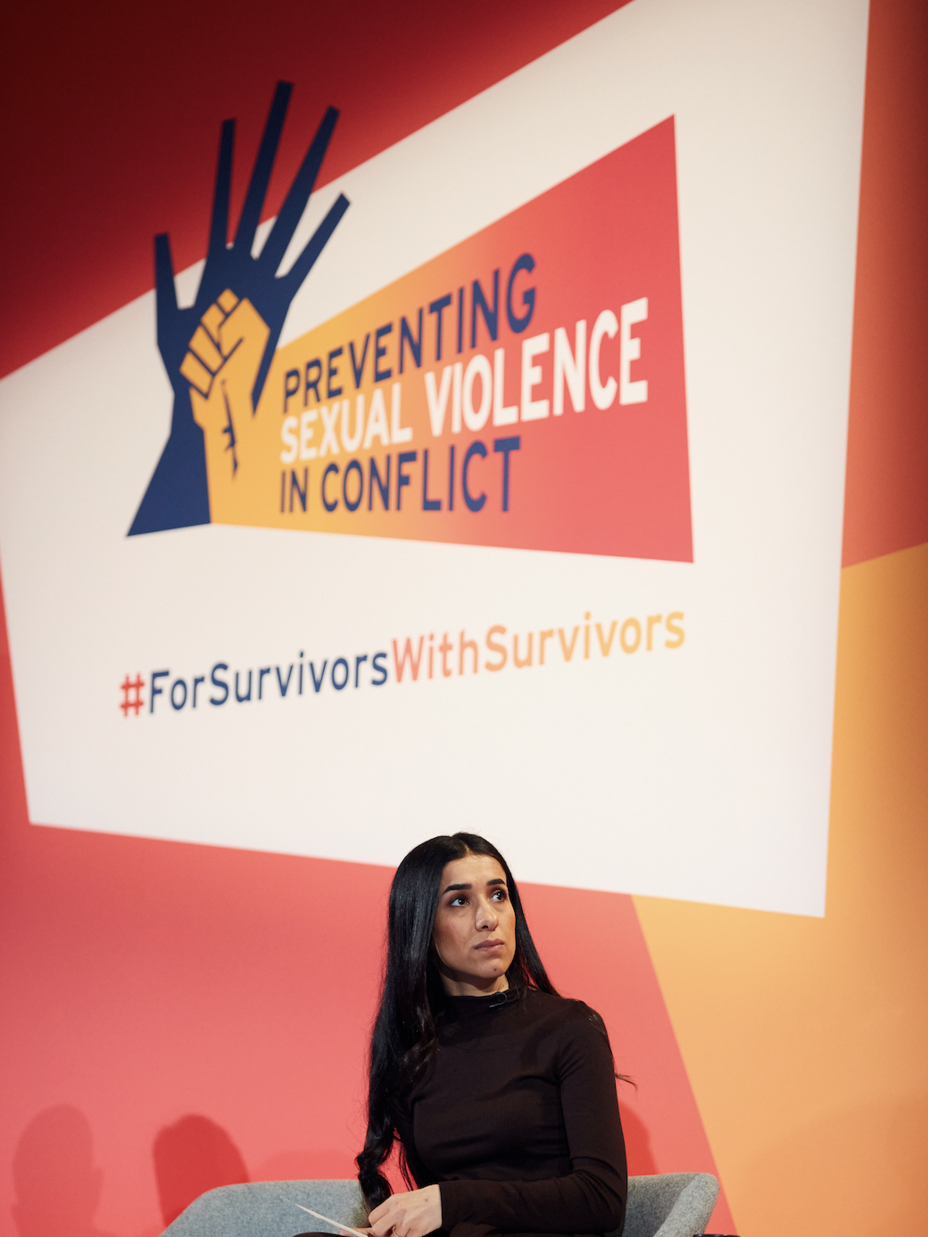
Following her escape, Nadia became a powerful advocate for women in conflict settings and survivors of sexual violence. This resulted in her being awarded the 2018 Nobel Peace Prize—the first Iraqi and Yazidi to have done so. The same year, she founded Nadia’s Initiative, an organisation dedicated to providing advocacy and assistance to victims of genocide.
“I want to be the last girl in the world with a story like mine. We must not only imagine a better future for women, children, and persecuted minorities; we must work consistently to make it happen—prioritising humanity, not war.”
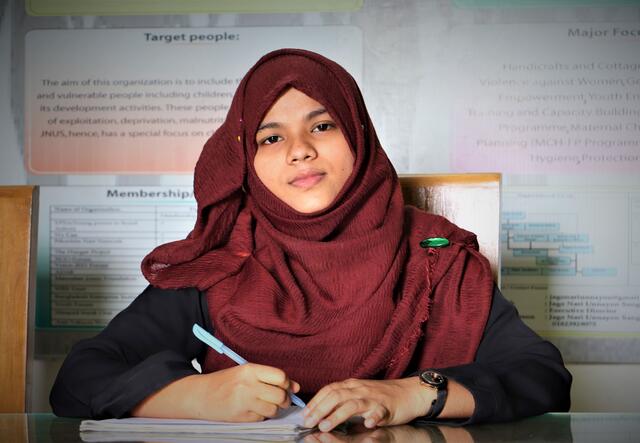
As a member of 'Young Women Leaders for Peace,' Rima Sultana Rimu has been recognised for her outstanding work providing educational resources for women and children in Rohingya refugee camps in her native Bangladesh. Using radio broadcasts and theatre performances as well as more traditional classroom teaching methods, Rimu spreads awareness of the UN Security Council's recommendations on women, peace and security. She also serves as a resource for members of the Rohingya community facing issues like child marriage and domestic violence.
“I am determined to bring gender equality to Bangladesh. I believe in the power of women and girls to fight for our rights. We will succeed.”
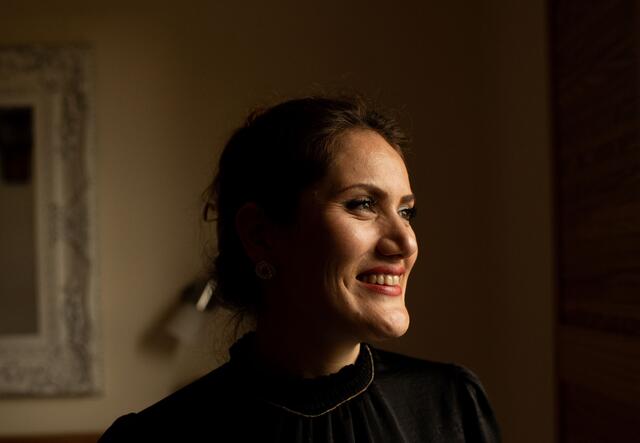
Zahra is an Afghan refugee, journalist and single mum. She and her two children, aged 11 and 10, fled from Afghanistan to the UK in August 2021, forcing her to leave her dream job as a TV news anchor.
In 2022, Zahra took part in the IRC’s leadership training, and now advocates for women’s rights on a global scale, telling her story of fleeing conflict to the United Nations. Settling into the UK, Zahra has dreams of studying for a Master’s degree and restarting her career as a journalist, while being an advocate for women’s rights in Afghanistan and all over the world.
“I want the world to stay with Afghanistan and all in the world who are in danger,” Zahra says. “There shouldn’t be any difference between refugees and how people from different countries are treated. I want equality for everyone, whether they’re from Ukraine or Afghanistan or anywhere else, they should have the same rights.”
Campaigner and hairdresser in Ukraine
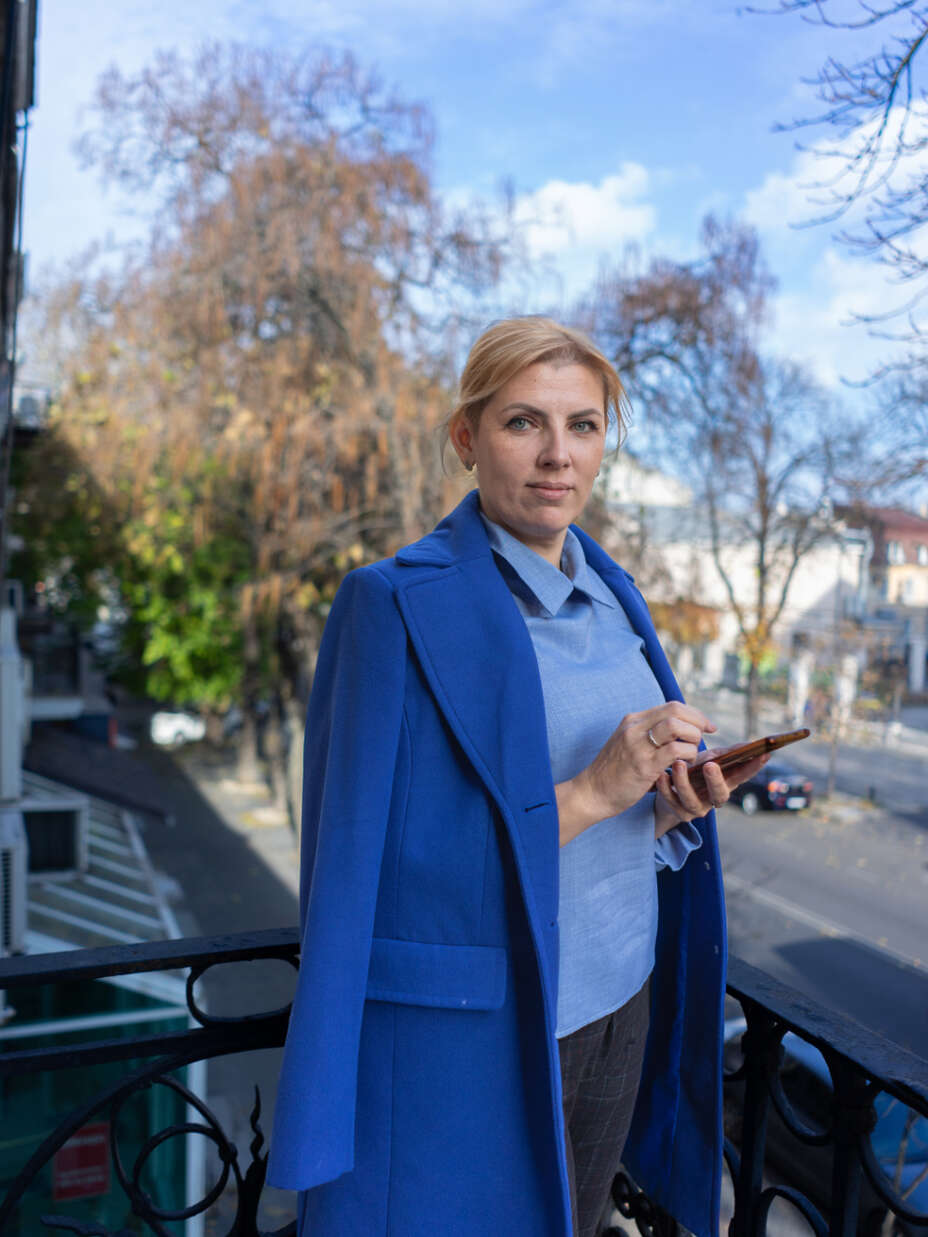
In Ukraine, 25% of the pre-war population, over 10 million people, have been forced from their homes. Over 30% of the population is internally displaced, and 3.7 million people now grapple with mental health issues ranging from depression, anxiety and post-traumatic stress disorder.
"Before the occupation, I was a happy woman, mother, and entrepreneur. I had everything—so many ideas, dreams I was bringing to life, and grand plans."
After her hometown was occupied, Anna Lukina fled with her family to Odessa. There she began volunteering to cope with depression. Having left her successful hairdressing business behind, Anna started providing free beauty treatments and haircuts to displaced women, using her skills to bring back some sense of everyday normality to her clients.
Now, she's launching her own charity to help women and people with disabilities who have been affected by the war.
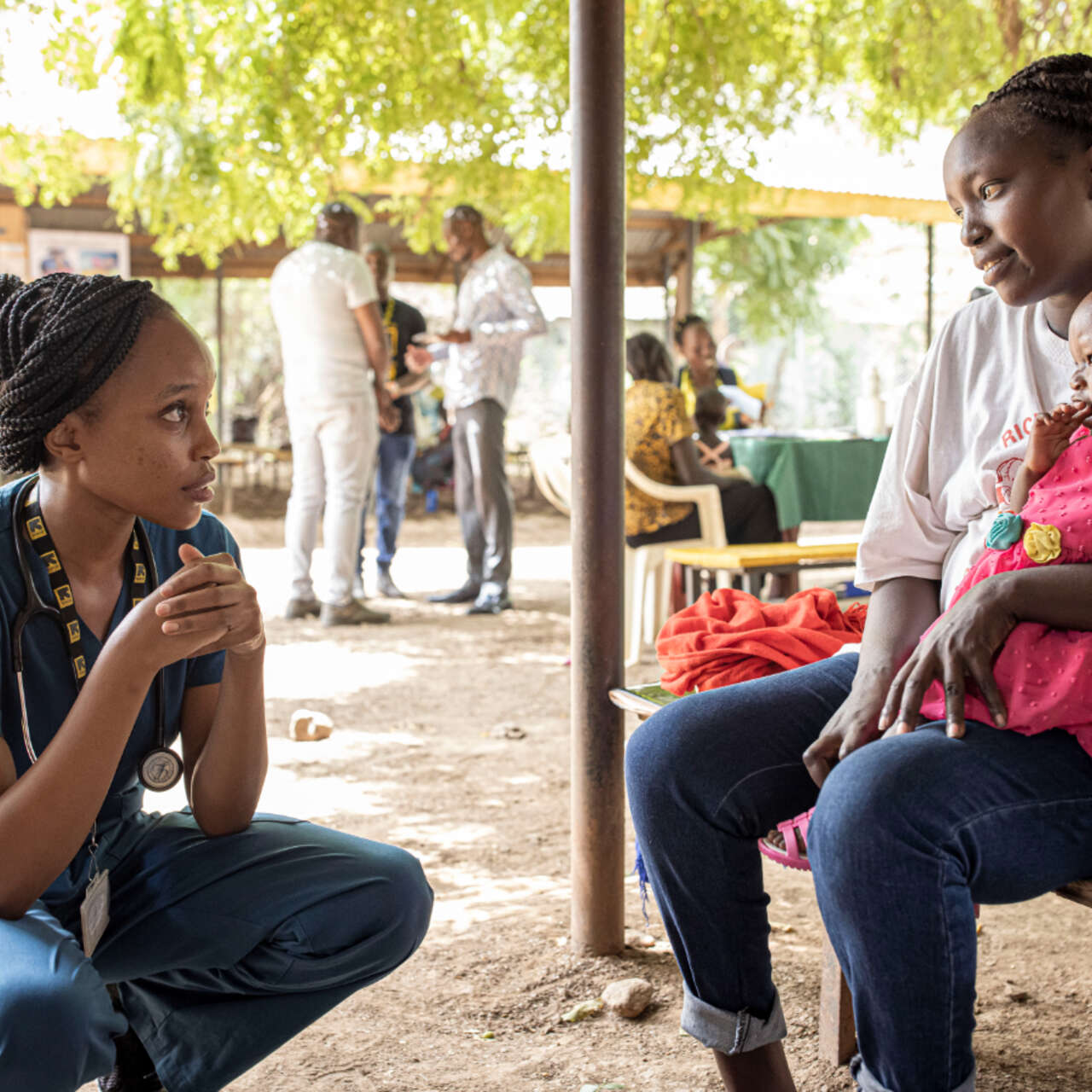
IRC Health Manager, Kukuma, Kenya
Dr. Sila is an IRC health manager in Kukuma refugee settlement in Kenya, home to over 300,000 people. Many families arrive in Kukuma having fled conflict and persecution in Sudan, the Democratic Republic of the Congo (DRC), and as far as Yemen and Afghanistan.
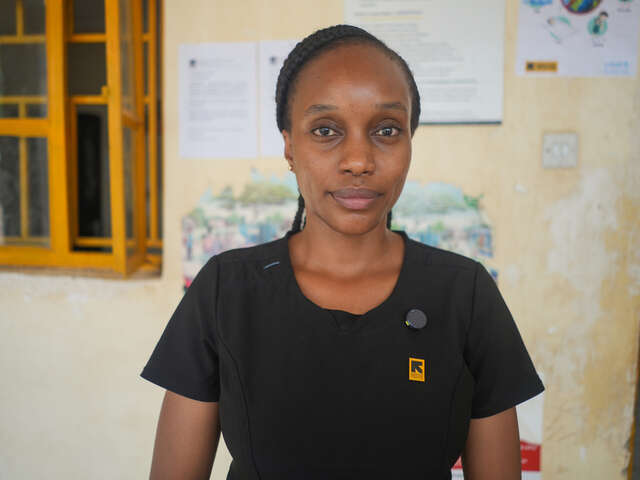
She oversees seven IRC-run facilities in Kakuma, each providing a broad range of primary healthcare services. This includes a general hospital, a maternity ward and a malnutrition stabilization centre where every day, thousands of children face the devastating effects of malnutrition.
2025 brought some of the biggest challenges yet for Dr. Sila and her teams. Major aid cuts by the U.S. government slashed their funding by around 50%, leaving them to serve the same population with fewer staff and limited resources.
As a result, Dr. Sila’s teams observed a rise in malnutrition diagnoses, affecting not only children but also adults. “What’s especially concerning is the pregnant women,” she explains. “If they are malnourished, it means the children will also be malnourished, and they will also probably come out as premature. So the cycle continues.”
To help mothers and their children break out of this vicious cycle, the IRC runs various support groups in Kakuma. In “mother to mother” groups, women are offered advice on nutrition, such as how to cook the most nutritious meals with limited ingredients.
Community awareness and prevention have been crucial in maintaining low malnutrition rates. Beyond its team of in-house doctors, nurses, and clinicians, the Dr Sila’s team has also trained 360 refugee community health workers.
This approach is paying off: as Dr. Sila explains, “When you go and compare year on year, almost all the way from 2019 to now, 2025, the number of cases of malnutrition have been decreasing.”
Yet with more possible funding cuts on the horizon, many programs are in a precarious position. As Dr. Sila emphasizes: “If we stopped operating in this community, it would be a humanitarian catastrophe.”
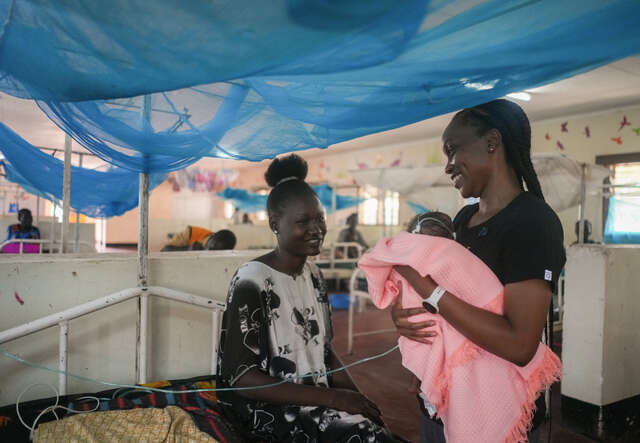
Despite persistent challenges, she stays motivated by seeing the impact of her work through her daily interactions with patients. “What keeps me going is knowing that we are touching lives, each and every single day.”
Learn more about how the IRC is tackling childhood malnutrition
More inspiring stories from around the world
Women can’t wait for conflicts and disasters to end, laws to pass or protections to be in place. We believe women and girls must be at the center of every decision to build safer, more equitable societies. This International Women’s Day, make a donation to support our work and stand with women as they make change happen.
The International Rescue Committee helps people affected by humanitarian crises to survive, recover and rebuild their lives. For over 90 years, we’ve provided humanitarian aid and long-term support to people affected by conflict, disaster and displacement. Today, we work in 40+ countries to deliver lifesaving emergency relief and help families rebuild.