Origins of the IRC
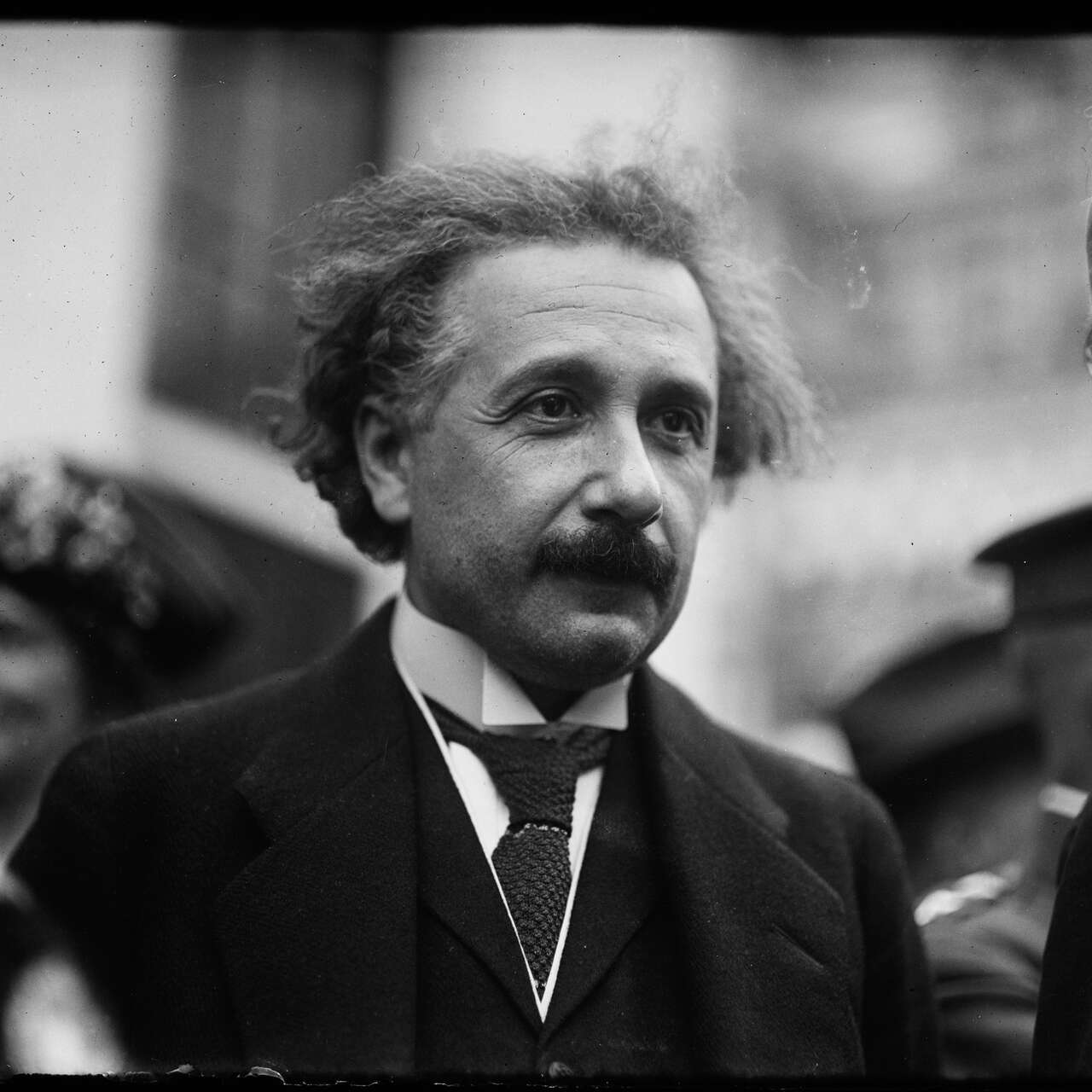
Albert Einstein is well known for his famous equation E=mc2 along with his groundbreaking theory of relativity and contributions to atomic physics. But there are even more fascinating facts about Einstein's life beyond his scientific discoveries, including his involvement in the founding of the International Rescue Committee (IRC).
Read on to learn some less-well-known facts about the German-born scientist:
Einstein was already a famous intellectual by the time Adolf Hitler rose to power in Germany. But as a Jew his civil liberties were quickly suspended under the regime, and he was barred from working and teaching – and this was just the beginning.
After his apartment had been ransacked and his savings confiscated, the Nazis went on to put out a reward for Einstein's murder, claiming he was an enemy of the state. Fearing for his life, the professor fled, initially seeking refuge in England (see fact number 7, below), and then moving on to rebuild his life in the United States.
What does it mean to be a refugee?
Since there were no programs or aid agencies to ensure the safety of fellow refugees, Einstein took matters into his own hands. He and his wife, Elsa, made visa applications for other German Jews and personally vouched for refugees fleeing Nazi rule.
“I am privileged by fate to live here in Princeton,” he wrote in a letter. “In this small university town, the chaotic voices of human strife barely penetrate. I am almost ashamed to be living in such peace while all the rest struggle and suffer.”
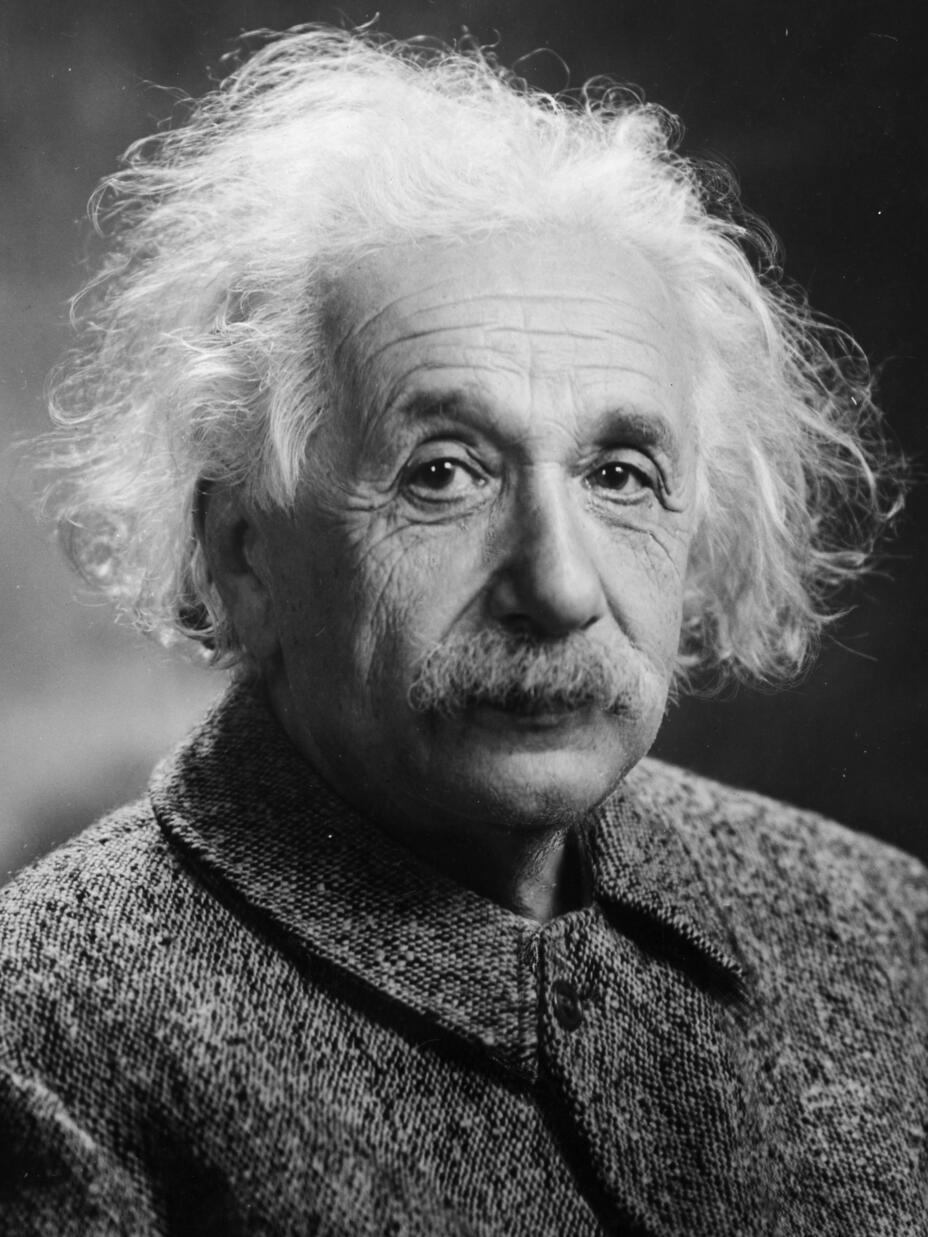
In July 1933, upon Einstein’s request, a committee of 51 American artists, intellectuals and political leaders came together to form the International Relief Association (a precursor to the IRC). Among them were the philosopher John Dewey, the writer John Dos Passos, and the theologian Reinhold Niebuhr. Other prominent citizens, even including First Lady Eleanor Roosevelt, soon joined the effort.
The committee established offices at 11 West 42 Street in New York City, across from Bryant Park and not far from the IRC's current headquarters. Its mission, as The New York Times reported on July 24, 1933, was to "assist Germans suffering from the policies of the Hitler regime."
Read more about the history of the International Rescue Committee

Albert Einstein was a vocal advocate against racism, particularly in the context of the United States civil rights movement. His activism was also shaped by his own experiences with anti-Semitism and his deep belief in equality and justice. He said that racism was America’s “worst disease”.
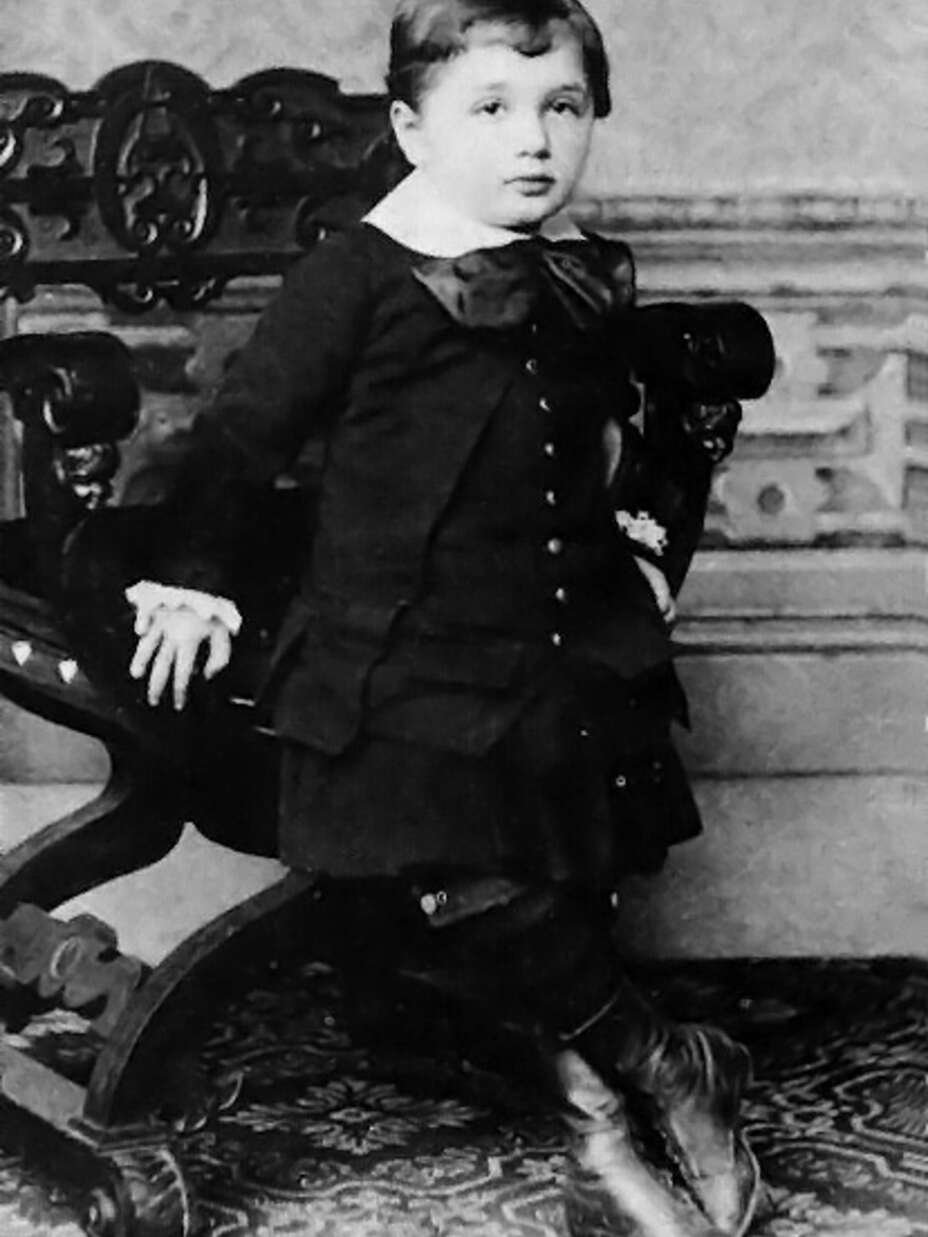
As a child, Einstein started speaking later than other children (at around age three) and his teachers thought he might be a slow learner. Little did they know he would go on to become synonymous with the idea of a scientific genius.
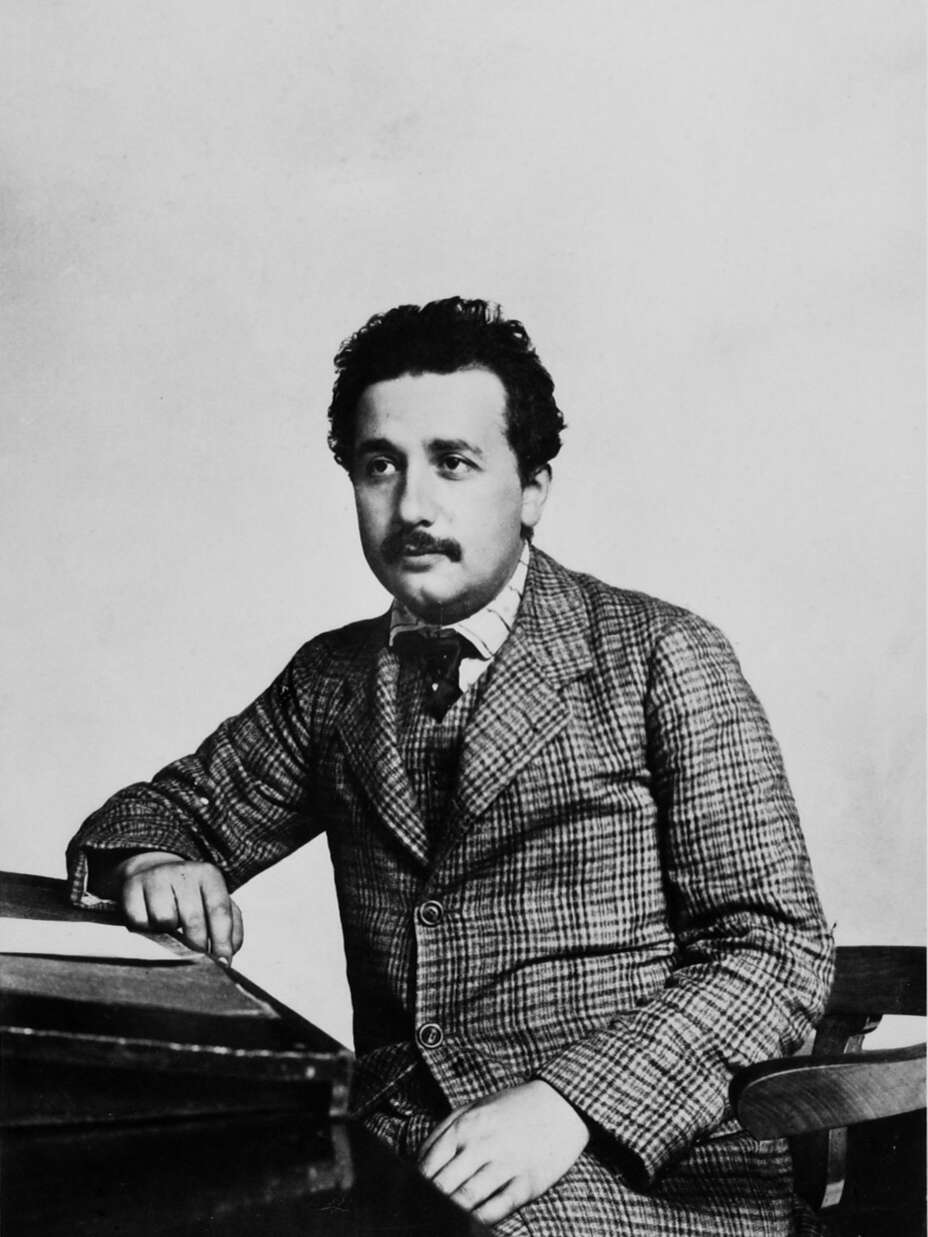
Before becoming famous, he worked as a clerk at the Swiss Patent Office. This job required him to examine patent applications for new inventions, checking their originality and ensuring the clarity of patents to protect inventors' ideas.
It was during this time that he developed and published many of his own groundbreaking theories. He called the patent office "that worldly cloister where I hatched my most beautiful ideas”.
After a reward was issued by the Nazis for Einstein's murder, concerns for their safety forced Albert and Elsa to flee.
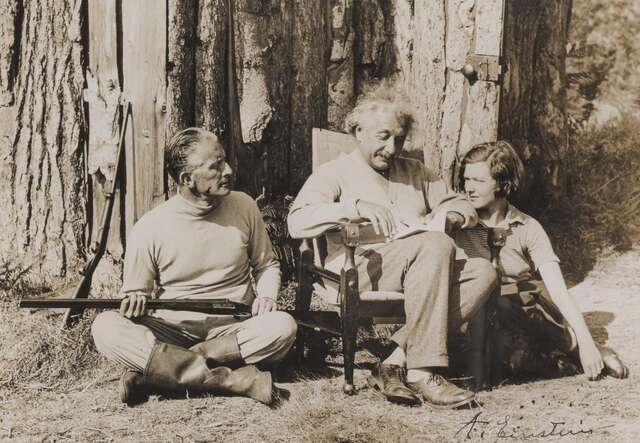
The scientist crossed the sea to reach England in a small boat in September 1933. Once there he was helped by Conservative MP and friend of Winston Churchill, Oliver Locker-Lampson, who arranged for Einstein and Elsa to stay at his home in Cromer, Norfolk. But with a bounty on their heads, the couple decided the house was too conspicuous and Locker-Lampson moved them to a secluded log cabin in Roughton Heath. Einstein spent three weeks living in the wooden hut, continuing to work and posing for press photographs with Locker-Lampson, before moving on to the United States where he applied for asylum and remained for the rest of his life.
The International Rescue Committee helps people affected by humanitarian crises to survive, recover and rebuild their lives. For over 90 years, we’ve provided humanitarian aid and long-term support to people affected by conflict, disaster and displacement. Today, we work in 40+ countries to deliver lifesaving emergency relief and help families rebuild.