Hopeful news roundup
While the world today often feels overwhelming, there are still good news stories out there which can inspire some hope and positivity.
Global crises facing the world today should not be ignored, but we at the IRC still believe it’s important to highlight stories of hope, innovation and inspiring resilience. From global health milestones reached, to individuals holding on to hope against the odds. The following also includes stories from the IRC’s work as a global humanitarian NGO and refugee charity, helping people affected by global crises to survive, recover and rebuild their lives.
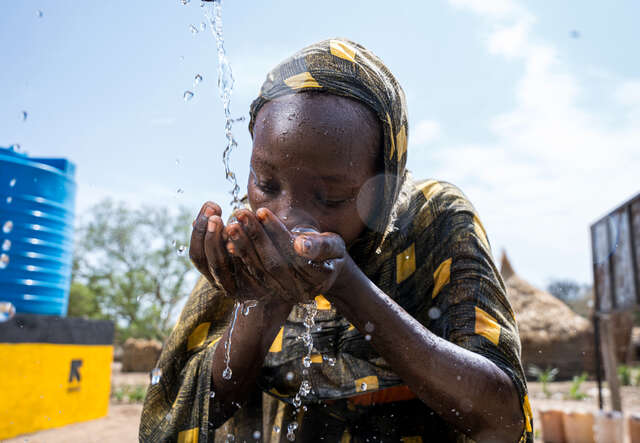
A remarkable new invention can harvest clean drinking water from air - even in dry and remote environments.
Created by Nobel laureate Prof. Omar Yaghi, the device uses nano-engineered materials to extract water from the atmosphere. It also relies on low-level thermal energy to run, meaning that it doesn’t require centralised electricity and can function in remote and off-grid areas.
This technology could support communities facing acute water shortages, including those recovering from hurricanes, storms or people displaced by crisis and conflict.
Yaghi, who won the 2025 Nobel Prize for Chemistry, grew up in a refugee settlement in Jordan, and said his work has been inspired by the hardships he endured in a home with no running water or electricity
Specialist training for UK schools and educators supporting refugee and asylum-seeking students is being made open and accessible to all via The Open University.
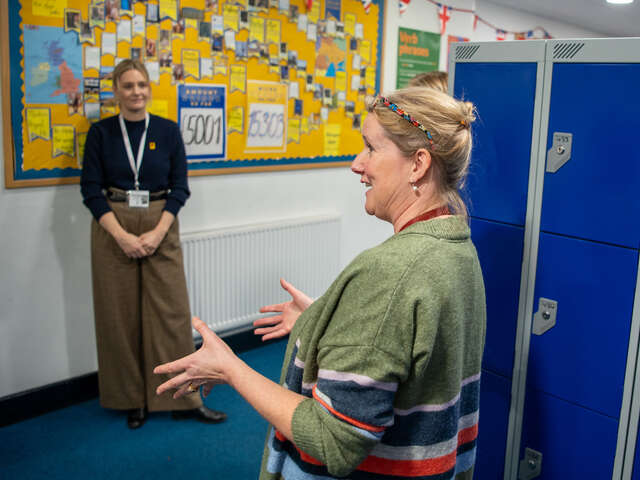
The IRC’s Healing Classrooms approach—built on 40 years of education in emergencies experience and a decade of research and field testing—offers children a safe and predictable place to learn and cope with the consequences of conflict and displacement.
The online Open University course is based on the IRC’s accredited CPD Healing Classrooms training already in use across the UK, which has reached 3,500+ educators, 1,200+ schools, and more than 16,000 refugee and asylum‑seeking children.
Inspiring stories can emerge from the most difficult circumstances.
When the war began in Ukraine, Klavdiia was forced to hide in a basement with her nine‑day‑old baby, unsure of what would come next. After relocating to a safer city, she took up flower arranging to relieve stress—only to discover a passion that soon blossomed into a small business.
She now delivers bouquets across her town and hopes to expand further. Klavdiia is one of many determined entrepreneurs in Ukraine who have received early recovery support, helping them imagine life beyond the war.

A surprise winner at the 2026 BAFTA Awards, the Manipuri‑language film Boong clinched the Best Children’s & Family Film prize, beating high‑profile favourites like Lilo & Stitch and Zootopia 2.
Director Lakshmipriya Devi delivered a moving speech at the awards ceremony, in which she highlighted the current situation in Manipur, northeastern India, where escalating violence has led to mass displacement, and used the moment to call for peace and forgiveness.
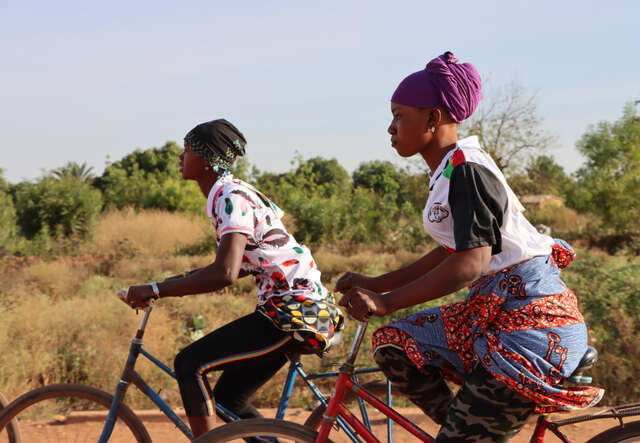
"As displaced persons, we think so much about how to get by... we're trapped in our worries,” explains Djeneba. She is one of the women who took part in a cycling event in Ouahigouya, Burkina Faso, where many people are displaced by violence in the region.
“Today, while racing, I just played, I breathed a little. It took my mind off things and made me happy.”
The cycling event brought together women from the local area - many of them displaced persons and refugees – to share a moment of joy and self-expression, offering a glimmer of hope amidst an increasingly challenging regional context, where aid cuts have disproportionately affected women at risk of violence by reducing already limited protection and support services.
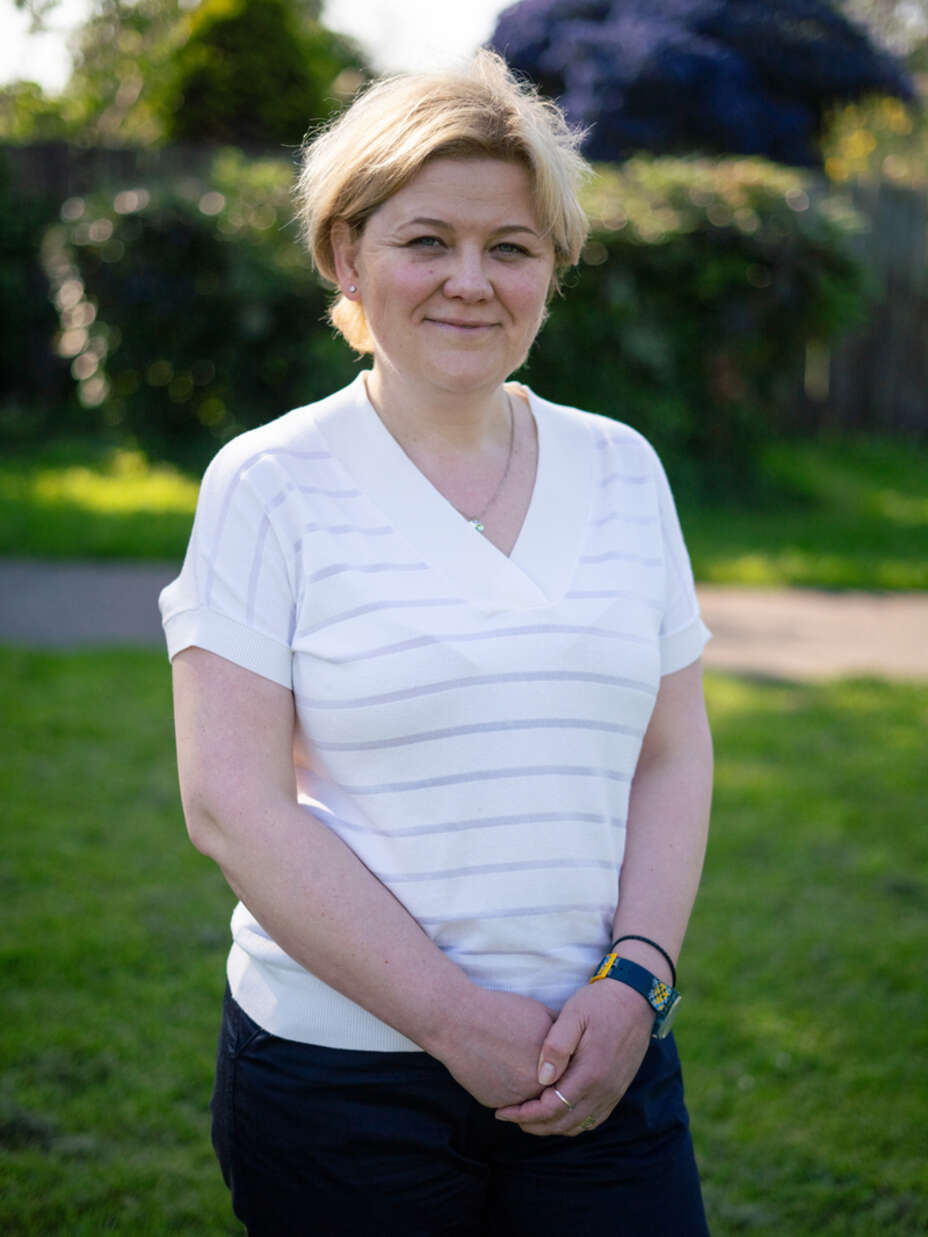
From the IRC’s experience in the UK and in other contexts, we know that refugees have so much to offer their new communities socially, culturally and economically.
New research finds that policies supportive of refugee integration would mean that each person welcomed to the UK as a refugee would contribute over £260,000 each to the economy.
The report by the LSE and Together with Refugees points out how refugees living in the UK desperately want to contribute but are prevented from doing so by a mismanaged asylum system and short-sighted, headline grabbing policies.
The findings challenge the notion that refugees place a burden on public services. They show that, with the right reforms to the asylum system, such as speedier processing of asylum claims and specialised employment support, refugees could contribute even more to the UK - not only as friends and neighbours, but also through taxes and wider economic growth.

Vaccination programmes are a global health success story, with diseases like polio nearly eradicated. Yet millions of children remain out of reach.
A major project to bring vaccines to hard‑to‑reach communities has now administered 20 million doses, giving more than 2 million children their first vaccine. This marks significant progress in protecting children who might otherwise be left behind.
The Gavi REACH team works in countries including Sudan, Nigeria, Chad and South Sudan, where conflict and crisis make accessing healthcare extremely difficult.
Looking ahead, new tools such as VaxMap - which uses high‑resolution satellite imagery and AI‑powered route planning - could identify 10–20% more missed children, creating more efficient pathways to reach them.
Many refugees seeking safety in a new country need personalised, expert support to help them adapt to a new life.
One solution the IRC has recently implemented is ‘ALMA’ - AI for Life Mapping Assistance - a virtual assistant that combines artificial intelligence with the IRC’s humanitarian expertise to provide reliable, multilingual information via WhatsApp, available 24/7. ALMA is tailored specifically to the needs of newcomers adapting to life in the US and draws on the IRC’s trusted network of integration support services across the country. This initiative demonstrates how responsible innovation can expand access to vital support for people rebuilding their lives after displacement.
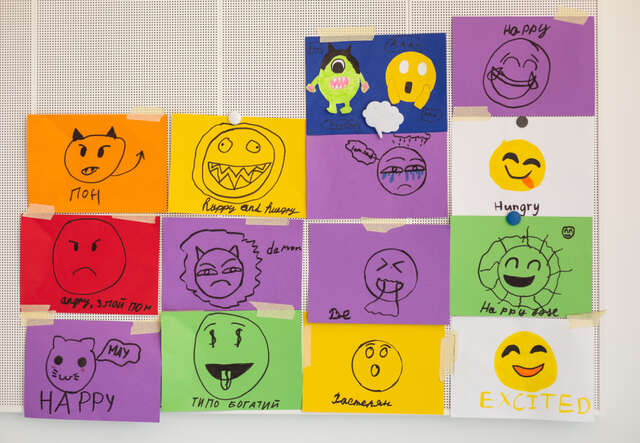
New teaching resources are being used to help refugee children in the UK to articulate how they are feeling even if they have limited English. Resources like the “feelings volcano” worksheet can help students identify emotions using colours and emoji‑style visuals.
This is one of many techniques included in the IRC’s Healing Classrooms training programme, now also available as a self‑paced Open University course.
Become an IRC supporter today to receive email updates on how we are helping people affected by conflict and disaster to survive, recover and rebuild.
Follow us on Bluesky, Facebook, TikTok, Instagram.
The International Rescue Committee (IRC) helps people whose lives have been shattered by conflict and disaster to survive, recover and rebuild.
Founded in 1933 at the call of Albert Einstein, we first helped people fleeing violence and persecution in Europe find safety in the United States.
Today, we work in over 40 crisis-affected countries, bringing ingenuity, fortitude and optimism to making a lasting impact for the people we serve. We arrive at the onset of crisis and aim to stay as long as we are needed. We also help refugees and other vulnerable people integrate into their new communities across the UK, Europe and the Americas.
The IRC provides health care, helps children learn, and empowers individuals and communities to become self-reliant, always with a focus on the unique needs of women and girls.