Emergency Response
Lebanon crisis: What is happening and how to help
Tens of thousands of people have been forced from their homes as violence escalates across Lebanon
Tens of thousands of people have been forced from their homes as violence escalates across Lebanon
Lebanon is in the grip of the rapidly escalating war in the Middle East. In the wake of military escalations across much of the Middle East, hostilities between Hezbollah and Israel escalated dramatically on March 1st.
Civilians will bear the brunt of this escalation. More than one million people, including over 300,000 children, have already been displaced, and the situation on the ground is evolving each day.
The International Rescue Committee (IRC) has been delivering critical humanitarian services in Lebanon since 2012, and is responding to the latest escalation in violence.
Here’s what you need to know about Lebanon—and how you can help.
Airstrikes have targeted southern Lebanon, the Bekaa Valley and the Beirut-Mount Lebanon region. Evacuation orders have been issued for over 100 villages, prompting more than one million people to flee with little warning. As of May 7th, more than 2,700 people have been killed and over 8,400 have been injured, according to the Lebanese authorities.
This latest outbreak of violence marks the most serious deterioration in security conditions since the November 2024 ceasefire agreement, and it is pushing an overwhelmed humanitarian system to the breaking point.
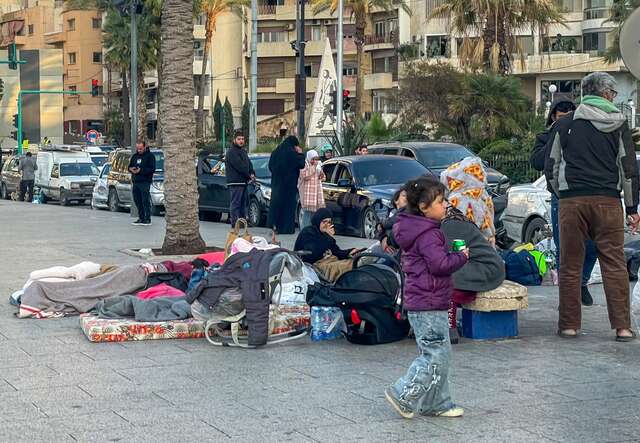
Hundreds of schools and public buildings have been converted into emergency shelters, while families are sleeping in cars along roadsides or crowding into small apartments with relatives. Among those newly displaced are Syrian and Palestinian refugees who had already fled conflict once and rebuilt fragile lives in Lebanon, only to now be forced to flee again.
Communities across Lebanon are gripped by fear as the violence spreads. The IRC urges an immediate cessation of hostilities and calls on all parties to respect international humanitarian law and protect civilians and civilian infrastructure.
On April 16, a ten-day ceasefire was announced between Israel and Lebanon. This ceasefire must be used as a vital opportunity to protect civilians, ensure sustained humanitarian access, and lay the foundations for a lasting and durable peace.
“What is needed now is an urgent scale-up of humanitarian assistance, unfettered humanitarian access and a pathway to a permanent cessation of hostilities,” warns IRC President and CEO, David Miliband.
“Anything less risks condemning civilians to renewed violence, and protracted and repeated displacement.”
Despite a three-week ceasefire extension being declared on April 23rd, civilians in Lebanon have continued to face airstrikes.
All parties must demonstrate restraint and commit to a political pathway that prevents further loss of life and addresses the root causes of the conflict.
The IRC has warned that the closure of the Strait of Hormuz and airspace closures across parts of the Middle East are severely affecting global humanitarian supply chains. These closures are threatening the timely delivery of life-saving aid to crisis-affected communities in Lebanon and around the world. These restrictions are delaying the delivery of life-saving aid to crisis-affected communities in Lebanon and worldwide, while increasing the IRC’s operational costs by up to 50%.
New data from IRC procurement teams shows:
Ciaran Donnelly, IRC’s Senior Vice President for Crisis Response, said: “As the blockade continues, the estimated $25 billion cost of the Iran war to date could cover the entire funding requirement needed to save the lives of more than 87 million people facing catastrophic hunger, displacement, and conflict around the world.”
The war in Iran has unleashed a triple emergency: a surge in humanitarian need, a global economic shock, and a system already stretched to breaking point by more than 60 simultaneous conflicts.
The IRC calls on the international community to take immediate action to establish a sustained humanitarian corridor through the Strait of Hormuz to ensure the uninterrupted delivery of aid to vulnerable populations. We have issued urgent recommendations to protect civilians and ensure humanitarian aid can reach those most affected by the escalating violence.
Lebanese families have endured a multi-year, compounded crisis that landed the country on the IRC’s 2026 Emergency Watchlist—an analysis of the countries most likely to experience a deteriorating humanitarian crisis. An economic collapse, destruction of public infrastructure and the fallout from violence between Israel and Hezbollah have left Lebanon extremely vulnerable, especially as the country hosts the highest number of refugees per capita in the world while international support wanes.
The latest escalation between Hezbollah and Israel is deepening the crisis in Lebanon.
Lebanon is facing one of the worst economic collapses in modern history. The Lebanese lira lost over 98% of its value between 2023 and early 2024, triggering hyperinflation and wiping out the savings of ordinary families.
Today, approximately 80% of the population lives in poverty, lacking reliable access to healthcare, electricity and education. According to IRC protection monitoring conducted in December 2025, 81% of households facing eviction threats had already taken on debt just to cover basic costs—before this latest escalation.
Prior to the latest escalation of war in the Middle East, an estimated 4.1 million people in Lebanon urgently needed humanitarian support. Israeli operations in late 2024 damaged 67 hospitals and forced over 150 health facilities to close, cutting off access to healthcare and critical support services for thousands.
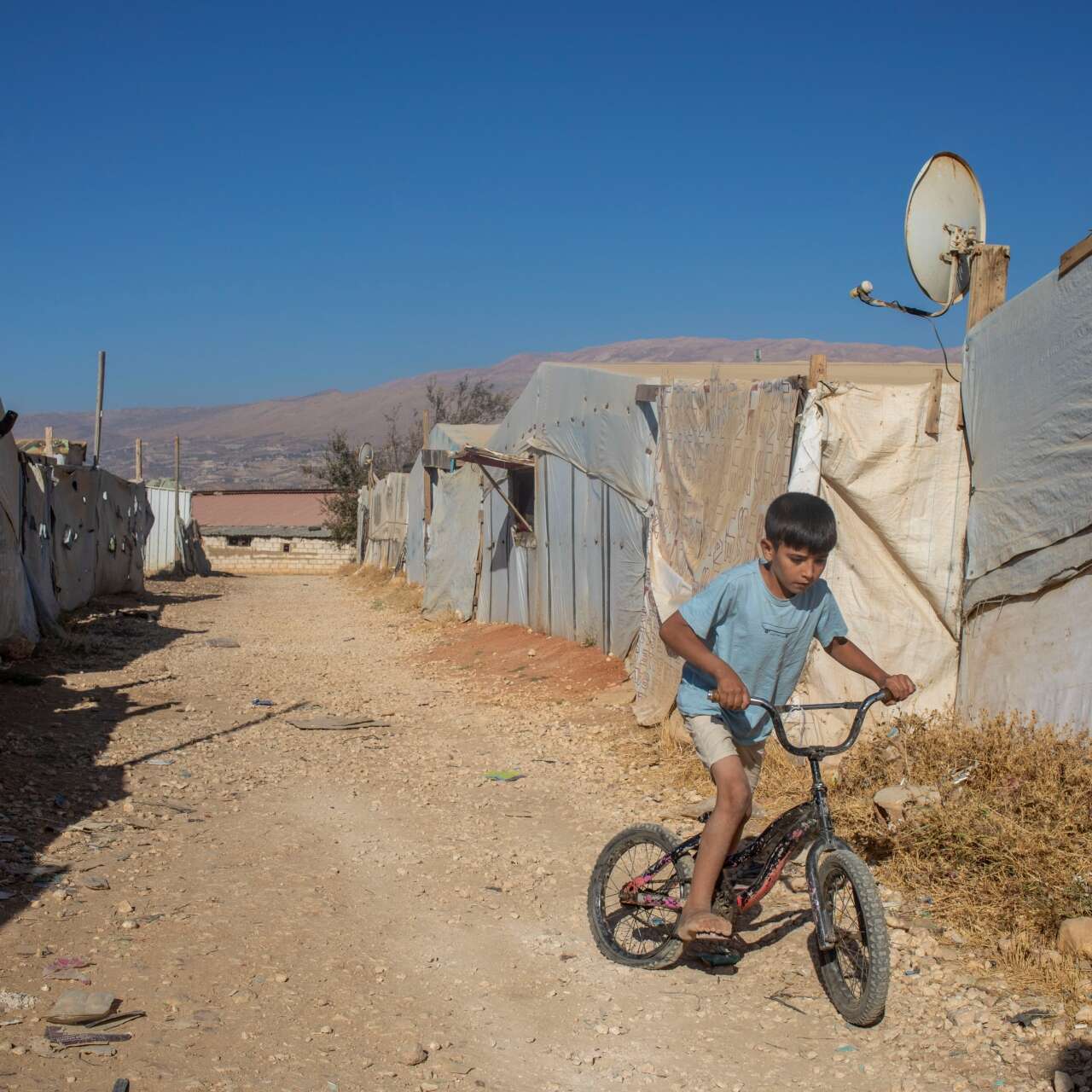
Lebanon hosts more than one million Syrian refugees and 250,000 Palestinian refugees, the highest number of refugees per capita in the world. Most live in extreme poverty and legal insecurity. Many of these refugees, who have already fled conflict and rebuilt their lives in Lebanon, are among the newly displaced in this latest escalation.
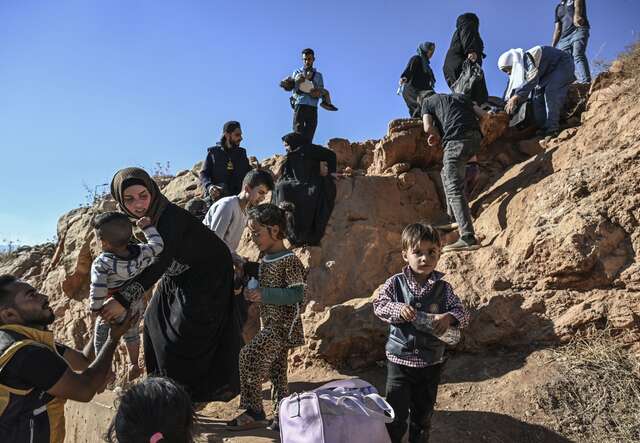
As of April 23rd, over 300,000 people crossed from Lebanon into Syria following the latest escalation of violence.
Even before this escalation in violence, Lebanon’s humanitarian response was catastrophically underfunded. Last year’s Humanitarian Response Plan received only a third of the funding it required.
More than 4.1 million people—over 70% of Lebanon’s population—were already in need of humanitarian assistance before the renewed violence in March 2026 began.
The war in Iran is now estimated to cost around $2 billion per day. Yet for just about $90, we can diagnose and treat a child suffering from acute malnutrition with a simple, highly effective treatment. At that cost, two days of war spending—specifically $4 billion—could have treated every one of the 43 million children suffering from acute malnutrition worldwide.
The IRC is also warning of a growing food security crisis driven by the effective closure of the Strait of Hormuz, which facilitates an estimated 30% of global fertilizer trade. Critical planting decisions in East Africa and South Asia must be made within weeks. Delays now will begin to surface as rising hunger by June. The IRC President David Miliband, visiting the IRC's Lebanon response, called for an immediate ceasefire and for parties to safeguard humanitarian access across affected shipping and air routes.
Humanitarian organizations urgently need flexible funding to scale up emergency response efforts, expand health and protection services, and provide basic relief items to families who fled with little or nothing.
The International Rescue Committee has been working in Lebanon since 2012 and reached more than 180,000 people across the country in 2025 with health, education, protection and livelihood services.
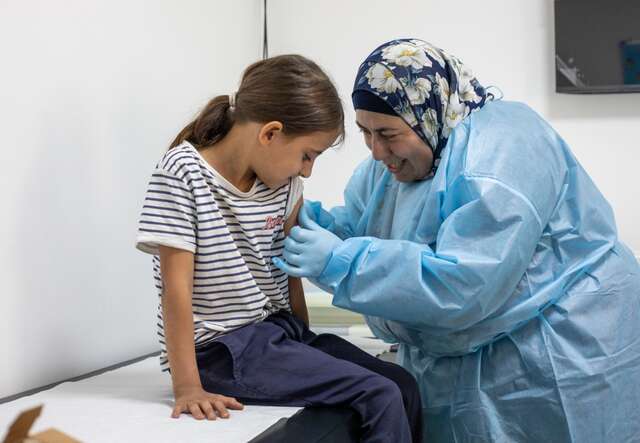
Despite the volatile security situation, the IRC and its partners are mobilizing to respond to the urgent needs of displaced families and continuing our critical work. We focus on ensuring people can access essential health services, mental health support, and protection services—with particular attention to children, women and survivors of violence.
Over the next three months, we aim to reach:
The IRC is closely monitoring the situation across the Middle East to understand the trajectory of displacement and humanitarian needs. Elsewhere across the region, including Syria, Yemen, Jordan, Iraq and the occupied Palestinian territory, our teams continue to deliver critical assistance while prioritizing the safety of staff and the communities we serve.
The International Rescue Committee has over 90 years of experience helping people affected by crisis in more than 40 countries to survive, recover and rebuild their lives. We also help refugees and displaced people resettle and integrate into new communities across Europe, the U.S. and the United Kingdom.