Humanitarian assistance
How to help Ukrainians survive winter
The IRC is providing humanitarian aid to Ukrainian communities in crisis—donate today.
The IRC is providing humanitarian aid to Ukrainian communities in crisis—donate today.
As Ukraine heads into another harsh winter, millions will struggle to make it through the cold season with depleted resources and little to no savings to carry them through the cold months. Drone and missile strikes are taking an even heavier toll this year, making daily life unbearable across the country.
The past few months have been the deadliest since the full-scale war began in 2022, and widespread destruction of homes and critical infrastructure has left communities unable to cope with compounding risks and needs.
More than 10.8 million people urgently need humanitarian assistance, and as temperatures drop and airstrikes intensify, conditions will worsen. Meanwhile, humanitarian assistance to Ukraine is also shrinking.
This winter, International Rescue Committee (IRC) medical teams continue to respond where support is needed most, ensuring that women and children, the elderly and people living with chronic conditions get the essential care they need.
The IRC also provides cash for medical travel and is working to repair and heat rural health outposts. Last winter, we worked with local partners to provide cash assistance so families could buy what they needed.
Conflict has shaken eastern Ukraine since 2014, but the situation has drastically worsened since the full-scale war began in February 2022. Civilians have not been spared—more than 71,000 civilian casualties have been recorded since 2022, and the number continues to rise.
Intensified attacks on Ukraine’s energy infrastructure and residential areas have made life especially challenging, particularly in areas facing the heaviest fighting. Nearly 3.9 million people remain displaced within Ukraine, and nationwide estimates suggest that more than 2.5 million homes have been destroyed.
Damage to Ukraine’s power grid has resulted in daily blackouts that disrupt both electricity and water supplies. Thousands of attacks on hospitals, schools and other essential facilities have also been reported. Sustained loss of power, heat and water during another brutally cold winter is likely to be the most predictable driver of humanitarian need.
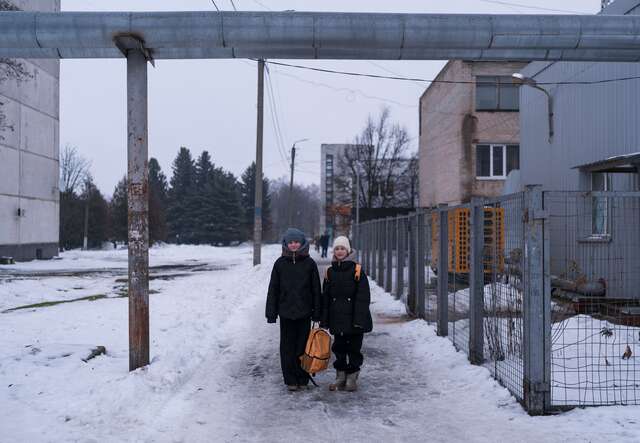
Winters in Ukraine are cold and snowy, with temperatures often plunging well below freezing. From December to March, average temperatures range between 23 degrees Fahrenheit (-5 C) and 32 degrees Fahrenheit (0 C). In some regions where the IRC works, temperatures can drop as low as -4 degrees Fahrenheit (-20 C).
Many of the nearly 3.7 million people displaced within Ukraine are living in collective shelters that lack adequate winter protection. Across Ukraine, families live in damaged homes, often without reliable heating or electricity. Many of those homes have broken windows and damaged walls that let the cold in, and countless families lack the income to buy warm clothing, fuel or firewood.
Humanitarian action is critical as the harsh winter season adds new risks for people already facing displacement, loss of income and damaged infrastructure. While the entire country is affected, the situation is especially concerning in front-line and border communities in eastern Ukraine, such as Kherson, Sumy and Kharkiv.
Rural communities face increasing difficulty accessing healthcare, with IRC data identifying a range of challenges that are contributing to medical staff shortages in these areas.
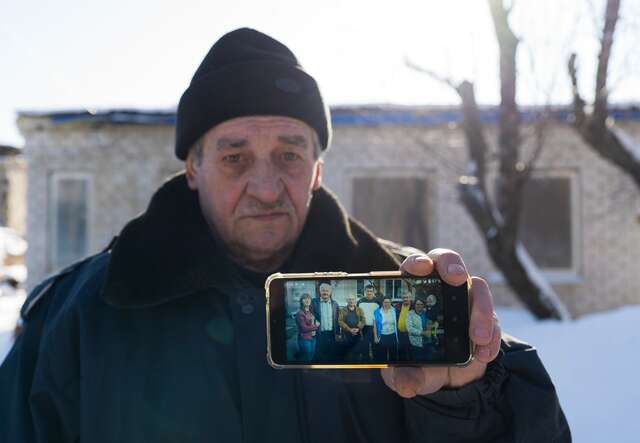
Elderly people and those living with disabilities are especially vulnerable to the dangers of winter in Ukraine. Many are less mobile and may be physically unable to leave their homes to seek safety. As conflict and cold weather disrupt their communities, the elderly often lose access to everyday services they rely on for food and care.
Limited electricity and communication services have also made it more difficult for families to take care of their parents and grandparents. At times, they may not even know if their family member is still alive.
The IRC has been on the ground in Ukraine since the full-scale war broke out in 2022, delivering humanitarian assistance to communities affected by conflict. Our emergency health teams are reaching communities, from frontline villages in Kherson to remote regions of Sumy. We provide primary health care, sexual and reproductive health care and mental health support. Additionally, the IRC provides cash for medical travel and equips medical facilities across the country with supplies, equipment and medicines.
The IRC is also repairing rural health outposts and supporting their heating equipment and energy resilience, and we are setting up modular healthcare buildings so we can respond to emergency needs.
The IRC supports health facilities and provides health and legal consultations to displaced Ukrainians whose homes have been damaged in the war. The IRC and our partner organizations also run “safe healing and learning spaces” for displaced women and children, helping children cope with the trauma of war at a time of relentless attacks and another brutal winter, and are working to ensure the needs of women, children and the elderly are met.
After more than five years of full-scale war, humanitarian needs in Ukraine remain immense. Support from donors like you makes the IRC’s lifesaving work possible.
Your donation helps the IRC deliver humanitarian assistance to families in crisis. Give now to support our work.
The International Rescue Committee has over 90 years of experience helping people affected by crisis in more than 40 countries to survive, recover and rebuild their lives. We also help refugees and displaced people resettle and integrate into new communities in the U.S. and across Europe.
Stay informed: Learn more about the world’s most pressing crises and what the IRC is doing to help.