Cash assistance
How cash is helping Hawa rebuild her family’s life amid war in Sudan
After losing everything to displacement, shelling, and a fire, Hawa is determined to rebuild a life for herself and her kids.
After losing everything to displacement, shelling, and a fire, Hawa is determined to rebuild a life for herself and her kids.
When heavy shelling targeted Hawa’s camp for displaced people near El Fasher, a city in Western Sudan, her first thought was for her son.
He had left the family’s shelter to charge his phone, a lifeline for receiving money from relatives abroad. Hawa ran through the chaos, searching for her son among the debris. “I believed that I had lost my son forever,” she says.
Hours later, her son returned home unharmed. But the experience was the final straw.
“That day was the most terrifying day and the breaking point for me,” says Hawa.
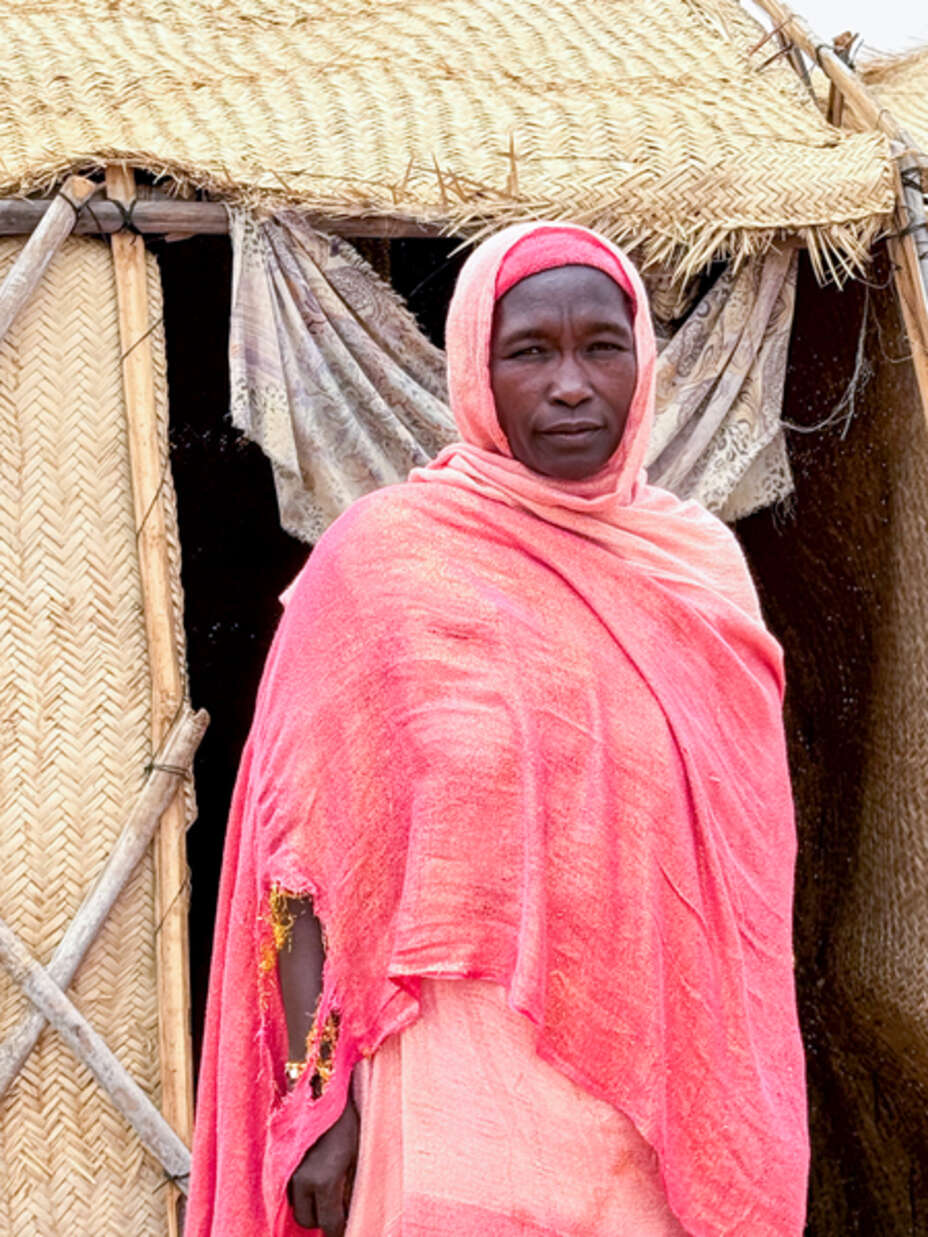
Since conflict broke out in 2023, Sudan has plummeted into the world’s largest humanitarian crisis.
North Darfur, where Hawa lives, has suffered some of the heaviest fighting. More than a million people living in and around the city of El Fasher have endured relentless attacks, displacement and insecurity. Thousands have been killed or injured, and many more are missing.
In Sudan, over 30 million people now need humanitarian aid, and almost one in three people, like Hawa, have been forced to flee their homes. For Hawa, a mother of seven who had already been displaced once in 2004, the renewed fighting shattered a life she had carefully rebuilt over the years.
Before the war, her husband worked in construction, she ran a small market business, and all her children went to school.
When the conflict intensified, her husband was arrested by an armed group. “We didn't know whether he was alive or dead,” Hawa says.
Amid constant shelling, Hawa dug a trench to keep the family safe. They fetched water at night to avoid the daytime bombardments.
“We lived through real terror.”
Determined to get her family to safety, Hawa packed what little she could carry on a donkey and, with her seven children, set out for Tawila, a town some 60 kilometers away.
Along the way, armed groups robbed them of everything they owned. After two grueling days of walking without food or water, carrying her youngest daughter on her back, they finally arrived in Tawila.
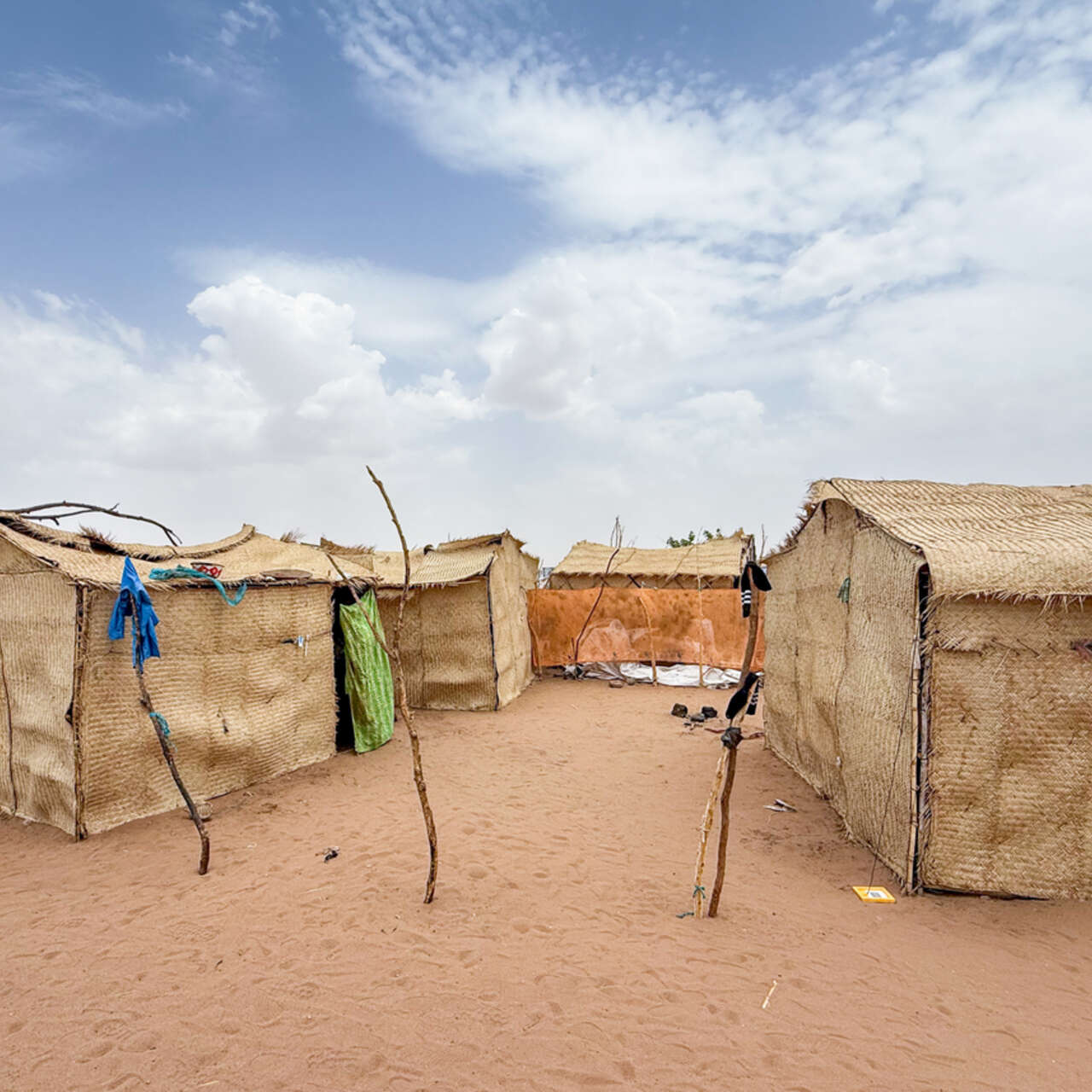
Local volunteers welcomed them with food and water. Three weeks later, Hawa received news that her husband had been released. Reunited, the family built a modest shelter out of sticks and torn cloth.
By the time Hawa arrived in Tawila, 650,000 other displaced people were already living there. Many fled the town of El Fasher, a city that has been torn apart by conflict.
Aid is stretched perilously thin in the country.
The $3 billion humanitarian response appeal remains only 42% funded. Across Sudan, more than half of the population faces hunger and shortages of basic essentials such as medicine, fuel, food and water persist.
Just as Hawa’s family began to settle and regain a sense of stability, another disaster struck: a massive fire swept through their neighborhood, destroying their shelter and the few belongings they had managed to save.
Following an assessment of fire-affected families, the International Rescue Committee (IRC), with funding support from the Sudan Humanitarian Fund (SHF), provided Hawa with emergency cash assistance totaling 520,000 Sudanese Pounds (equivalent to $167.74 USD).
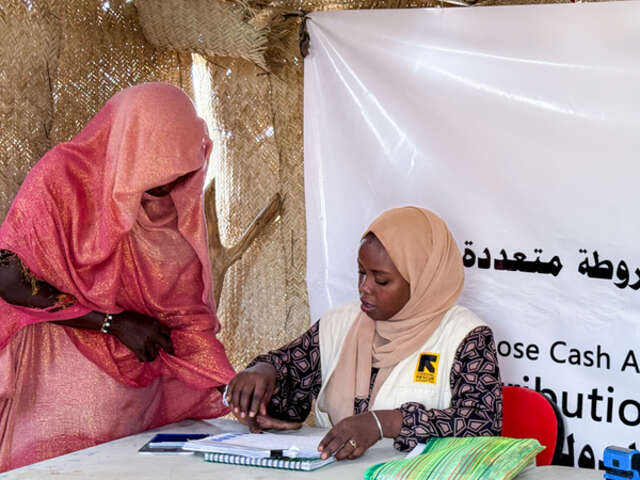
Direct cash transfers give displaced families the autonomy and dignity to decide how best to recover and prioritize their immediate needs. It is also one of the most effective ways to deliver aid.
Families can also use it to support local shops, boosting the surrounding economy, and research shows it can be nearly 20% more cost-effective than delivering physical goods.
Hawa used part of the money to buy essential kitchen utensils, household items, and basic food like sorghum. But she didn't stop there. She invested the remaining capital in a micro-enterprise, selling traditional sweets and other goods in the community.
“I am now able to spend on our house composed of nine people independently, and I secure food for them,” she says. “I contribute to the journey of my husband's physical and psychological treatment after the period of detention.”
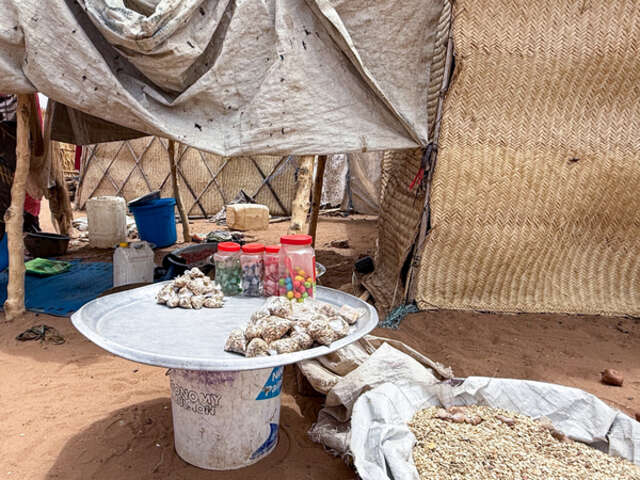
The cash assistance did far more than cover basic needs. “It gave me the physical capital to stand on my feet again and protect my family from dependency,” Hawa explains.
Across Sudan, the IRC and its partners continue to support displaced families with cash assistance and vital emergency services. For Hawa, the focus is now squarely on her children's future.
“As soon as the situation stabilizes, my goal is to transfer my children into formal education so they can build their future.”