Emergency Response
A “super” El Niño is peaking in late 2026 and early 2027, bringing both severe floods and droughts to vulnerable communities around the world. Families in conflict- and crisis-affected regions could face even greater pressure as displacement, conflict and funding cuts compound the effects of climate shocks.
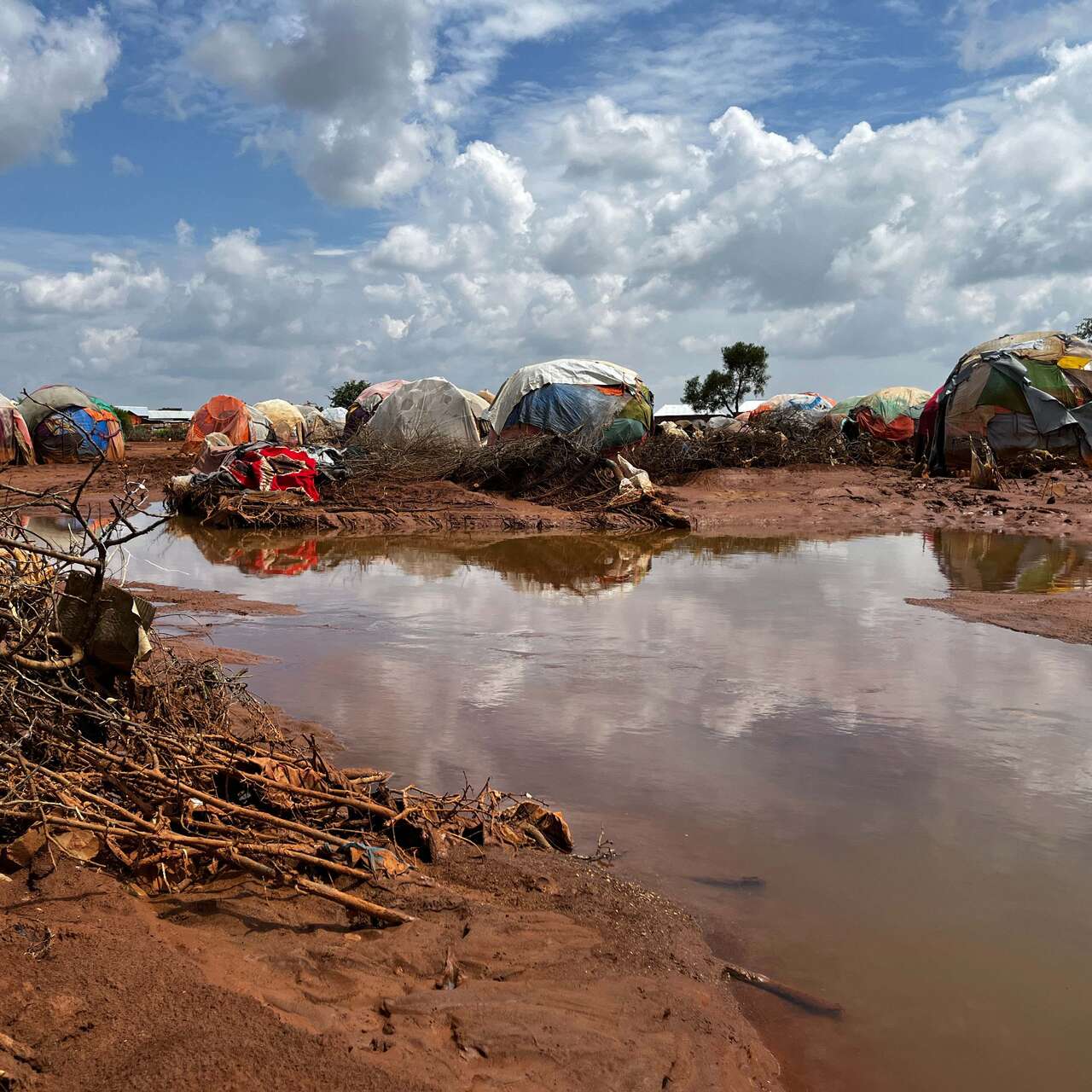
The effects are already being felt. In Somalia, heavy rains have flooded parts of Mogadishu and damaged health facilities, echoing the El Niño-linked floods of 2023 that displaced 1.2 million people.
The International Rescue Committee (IRC) delivers cash to families at risk before disaster strikes, along with tailored assistance to help people recover. We are scaling up this work ahead of forecasted El Niño-related shocks, including flooding in Somalia and drought in El Salvador.
Your support can help the IRC reach people before climate shocks strike.
El Niño is a recurring climate pattern in which warmer-than-normal Pacific Ocean temperatures shift rainfall and temperature patterns worldwide. It typically occurs every two to seven years and lasts nine to 12 months. La Niña is its cooler counterpart, due to take place in 2027.
El Niño brings drought to some regions and severe flooding to others. Both can drive hunger and increase the spread of preventable diseases. They also damage crops, livestock and infrastructure, reducing food production and pushing up prices.
The current event has been described as a “super El Niño.” It is intensifying and is projected to rank among the strongest in recent history, with impacts expected to peak in the second half of 2026 and early 2027.
The consequences could last well beyond the peak of El Niño. Disrupted harvests could push an additional 49 million people into acute food insecurity by the end of 2027, bringing the total to 274 million people across 45 countries.
Meanwhile, conflict is disrupting shipping through several key international waterways, such as the Strait of Hormuz, raising the cost of transporting food, fuel and fertilizer and making it more difficult to deliver aid. At the same time, funding for humanitarian food and nutrition assistance has fallen nearly 60% since 2022.
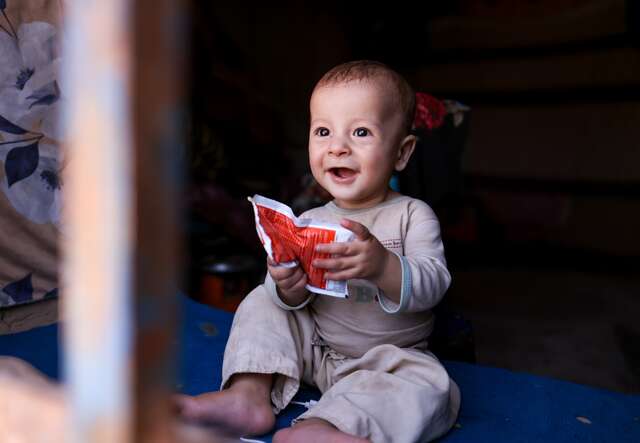
The people most at risk are those living in places where El Niño-related floods or droughts worsen existing crises, including conflict, displacement and disease outbreaks.
As of July, overlapping drought and displacement over several years had left 4.8 million people in Somalia in need of urgent aid. In mid-September, heavy rain linked to El Niño flooded parts of Mogadishu and damaged health infrastructure and exacerbated the crisis in Somalia.
El Niño is expected to bring more rain—parts of the country could see more than 400 millimeters (about 16 inches) between October and December. If heavy rain continues and the Shabelle and Juba rivers overflow, flash flooding could devastate dozens of towns and villages.
When these conditions last came together in 2023, floods displaced 1.2 million people and destroyed almost 13,000 tons of crops.
IRC modeling shows that up to 2.6 million people could be at immediate risk of catastrophic flooding in a worst-case scenario, if El Niño combines with a positive Indian Ocean Dipole—a weather pattern in which the western Indian Ocean warms and the eastern part cools.
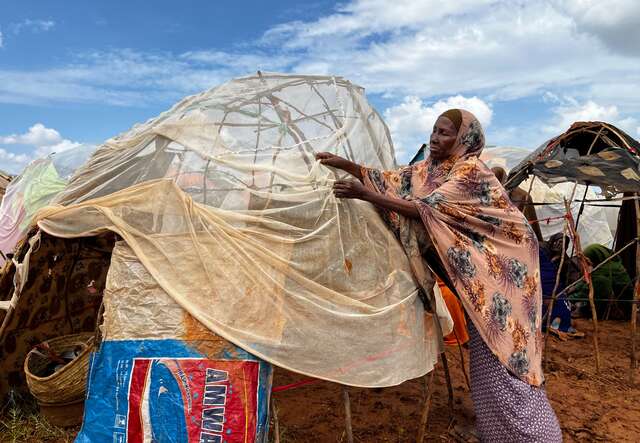
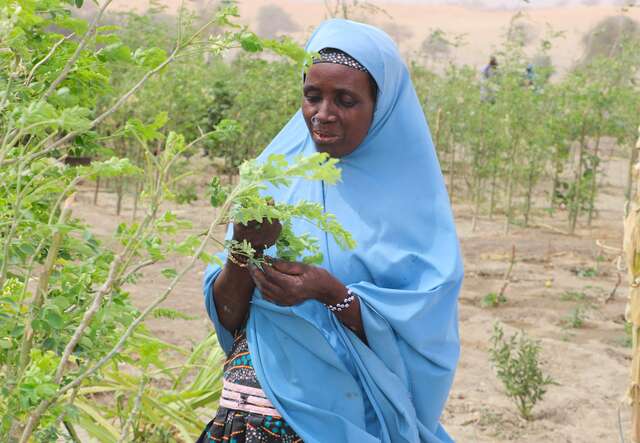
The IRC's anticipatory action model delivers cash to at-risk families before a disaster hits. Our support helps families buy food, pay for water and protect their homes, crops and livestock instead of selling off assets or pulling children from school. We also help farmers select seeds most suited to extreme weather, helping safeguard and improve harvests in climate-vulnerable regions.
Ahead of El Niño's peak, the IRC is scaling up this work, combining local knowledge with scientific forecasting. We are reaching more families at risk of climate shocks and expanding support for national early warning systems.
This approach is proven. In a 2025 IRC anticipatory action program ahead of drought in Afghanistan's Badghis province, participating families were nearly three times less likely to take on new debt or rely on other negative coping strategies. Acting early also costs less. Every $1 invested in anticipatory action can generate up to $7 in avoided losses.
Getting help to families before a disaster hits costs less than responding afterward, and it lets families keep what they have.
The International Rescue Committee has over 90 years of experience helping people affected by crisis in more than 40 countries to survive, recover and rebuild their lives. We also help refugees and displaced people resettle and integrate into new communities in the U.S. and across Europe.
Our ratings: We consistently earn top marks from charity watchdog groups for our efficient use of donor contributions and the effectiveness of our work.
Get connected: Follow the IRC on Instagram, LinkedIn, Facebook, Bluesky and X.
Stay informed: Learn more about the world’s most pressing crises and what the IRC is doing to help.
*Last name omitted for privacy