Myanmar
How to help Myanmar
A drastic increase in internal conflict has pushed Myanmar into the top six on the IRC’s 2026 Emergency Watchlist of countries most at risk of worsening humanitarian needs in the coming year.
A drastic increase in internal conflict has pushed Myanmar into the top six on the IRC’s 2026 Emergency Watchlist of countries most at risk of worsening humanitarian needs in the coming year.
Myanmar (Burma) is in the top six of the 2026 Emergency Watchlist, propelled by an increase in conflict in the climate-vulnerable country.
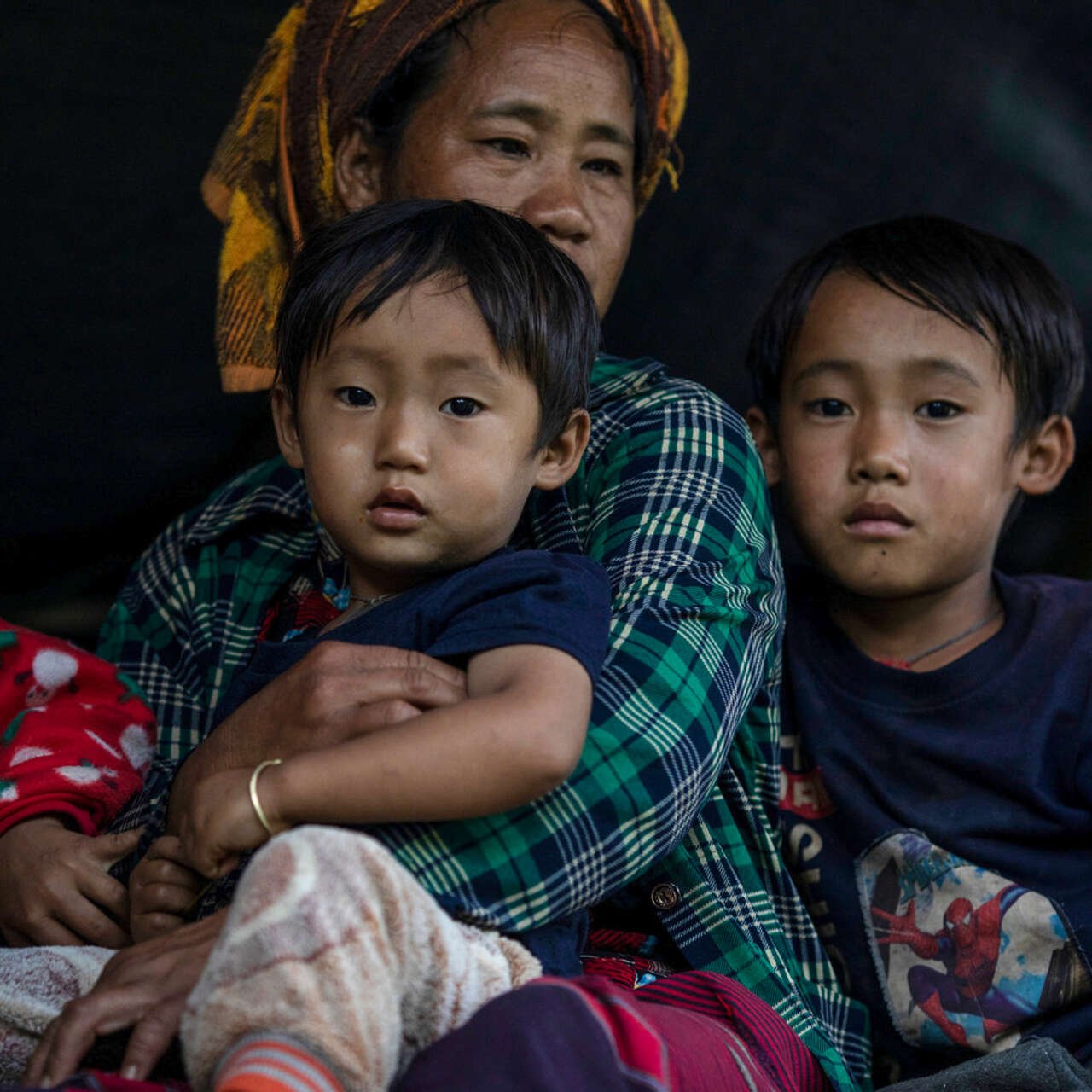
Violence in the Southeastern Asian country has worsened, leaving millions in humanitarian need,and the number of people who have fled their homes to find safety has risen rapidly, surpassing 3 million in 2025.
Editor's note, 03/28/2025: A powerful earthquake has worsened the humanitarian crisis in Myanmar. Learn more about the evolving situation and our response.
Myanmar has faced a worsening humanitarian crisis fueled by political instability. In 2025, nearly 1 million people were forced to flee their homes to find safety, a 28% increase from 2024.
According to the U.N., the number of civilians killed reached over 6,000. The U.N. also reports that sexual and gender-based violence against civilians has “increased dramatically” across the country
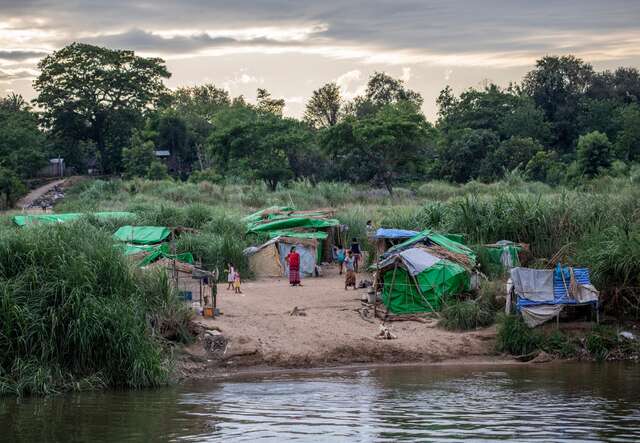
Cyclones and floods are constant threats in Myanmar. In September 2024, flooding linked to Typhoon Yagi affected over 1 million people in Myanmar, destroying homes and causing soaring food prices due to damaged crops.
Although Myanmar is highly vulnerable to the climate crisis and contributes very little to it due to its low carbon emissions, an IRC analysis shows that Myanmar receives only 0.25% of global climate adaptation and mitigation funding. Little of this funding will benefit communities in hard-to-reach areas, who are largely cut off from development projects.
The extreme barriers to humanitarian action are poised to worsen as conflict spreads.
With shortfalls in humanitarian funding and shifting frontlines, only a fraction of the 16.2 million people in need will receive help in 2025.
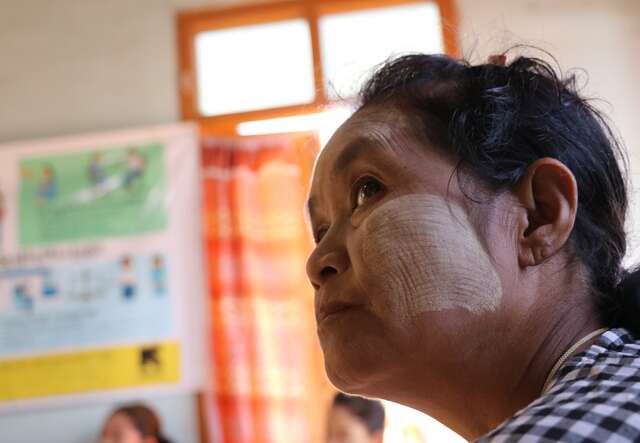
On March 28, 2025, a major 7.7 earthquake hit Myanmar, with tremors felt in Thailand and Bangladesh. The government has declared a state of emergency in six regions. At least 1,600 people have died, and there was widespread damage to buildings and roads. Communication and transportation were down. The economic damage was estimated at approximately $11 billion straining Myanmar’s already fragile economy.
This disaster has made Myanmar’s humanitarian crisis even worse. There were thousands of people displaced and in urgent need of shelter, food and medical aid.,
The IRC, together with local actors, provided emergency assistance in earthquake-affected areas. This earthquake highlights the urgent need for long-term humanitarian support in Myanmar.
The earthquake and recurring natural disasters remind us of the critical importance of preparedness for future emergencies in Myanmar.
In 2008, the IRC initiated an emergency response and early recovery efforts to aid communities affected by Cyclone Nargis. In the years since, the IRC has expanded its range of activities in Myanmar. We deliver programming focused on improving health, protection, and water, sanitation and hygiene outcomes. Additionally, the IRC runs shelter programs that help displaced, crisis-affected and vulnerable communities to survive, recover and gain control of their futures.
The IRC’s current programming in Myanmar strongly focuses on supporting people affected by the natural disaster and conflict. We also continue to support marginalized and vulnerable communities, as well as people who were internally displaced. Our services are tailored to provide specialized support to women, children, and marginalized communities in Myanmar.
In addition to direct service provision, a critical component of the IRC’s program strategy involves delivering support to and through local actors. The IRC currently works across multiple sectors, with a range of local stakeholders, in Rakhine, Kachin, Shan, and KayinStates.
Learn more about the IRC’s Myanmar response.
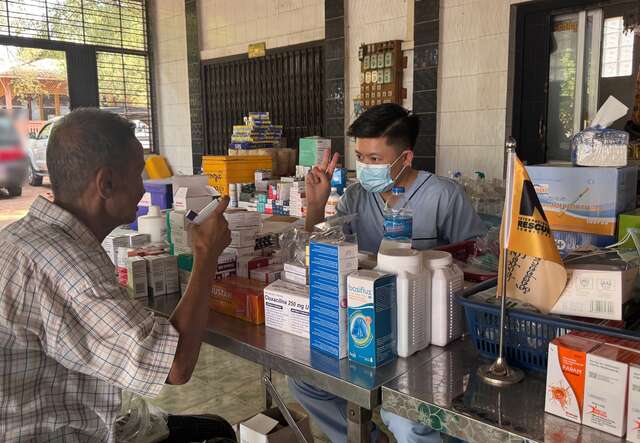
Donate now to support the IRC's life-changing work in Myanmar and worldwide. We are on the front lines, providing critical aid to crisis-affected people in more than 40 countries.
*Pseudonym used for privacy