Staff testimony
Venezuela earthquakes: The world’s attention must not fade
Deployed with the International Rescue Committee's emergency response team, Everardo reflects on his time in Venezuela following the devastating earthquakes.
Deployed with the International Rescue Committee's emergency response team, Everardo reflects on his time in Venezuela following the devastating earthquakes.
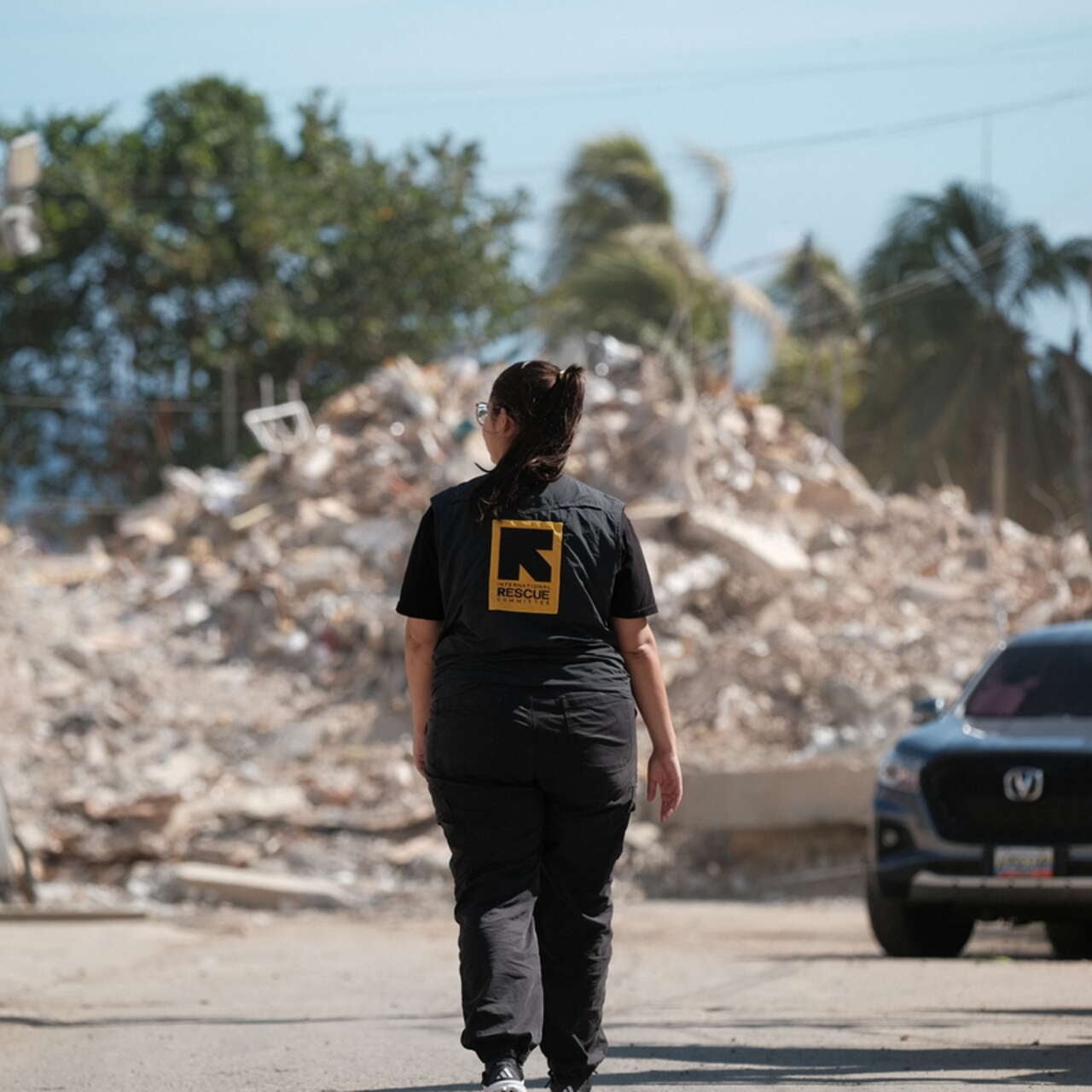
In mid July, I returned from Venezuela, where I was deployed as part of the IRC's emergency response team, supporting communications and media efforts.
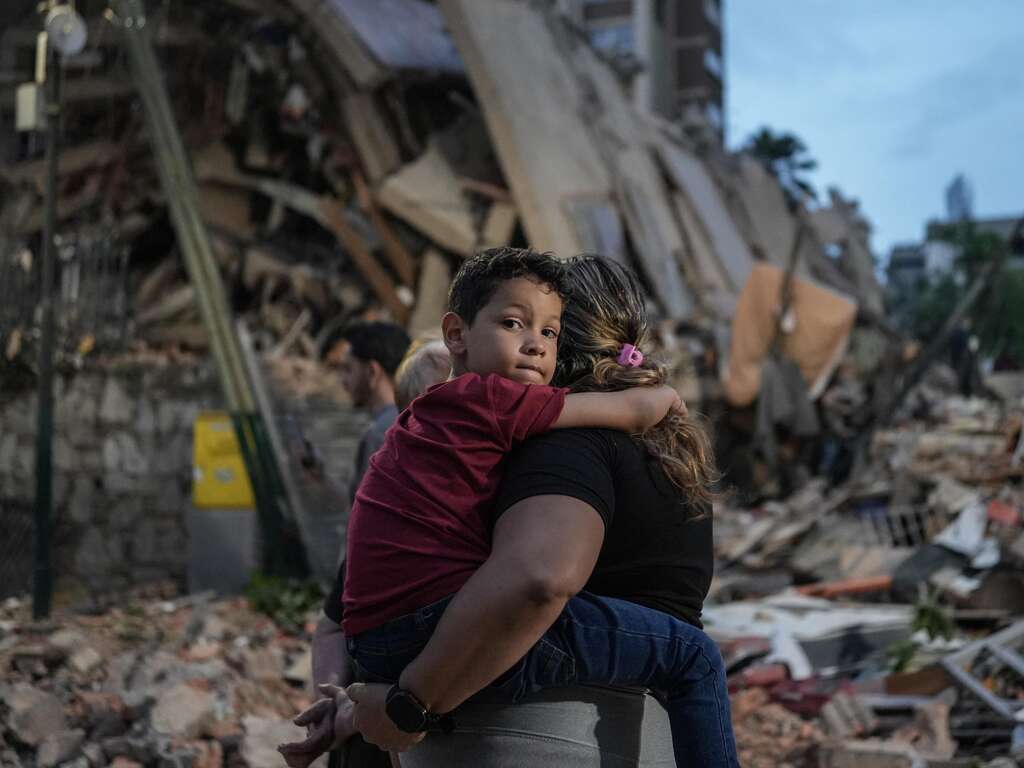
We had just marked three weeks since the earthquakes struck the country, and the rubble was continuing to be cleared. I want to emphasize how important it is that the world’s attention does not fade—the humanitarian needs remain now, and Venezuelans will need sustained international support to recover and rebuild.
Something I keep coming back to in my conversations with colleagues and journalists is that almost 8 million Venezuelans had already been experiencing humanitarian needs for years before the earthquakes struck on June 24. Now, with services such as healthcare, water and sanitation, or education under even greater strain, we can only expect the recovery and rebuilding process to take months, if not years.
After meeting and speaking with IRC clients, IRC staff, and local partners in Venezuela, I would like to share a few reflections and insights on the current situation—and what the world can do to support the humanitarian response in the country.
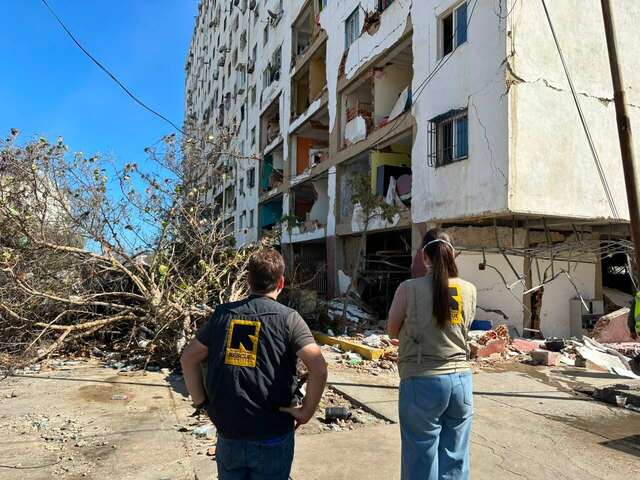
While joining one of the mobile health units run by a local partner, I had the opportunity to talk with families who needed medical attention so I could better understand the main needs they were experiencing. I talked to mothers who needed medical consultations and medicine for their children or for themselves, to treat chronic conditions such as hypertension, or to help them in long-term recovery after an accident.
All IRC staff in the affected areas were accounted for and are safe. However, some of our colleagues were directly impacted.
One of our staff members, who oversees our work with local partners, has not been able to return home. Her apartment building sustained damage and, although it was not structural, repairs are expected to take some time before she can move back. Despite this, our colleague has been working to help scale up the IRC’s response by coordinating our local partners to deliver services to affected communities.
Venezuela has a rich civil society with established local networks that carry deep social understanding, technical experience, and community trust. The IRC has prioritized working through local organizations since we started working in Venezuela in 2021, and this approach has proven to remain critical today.
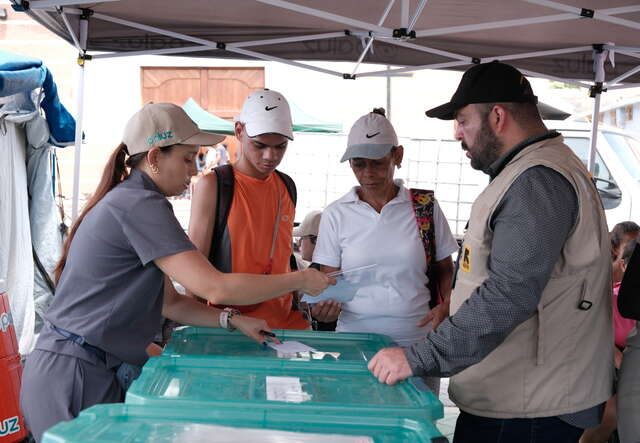
By working with local partners, the IRC can strengthen existing networks with our global humanitarian expertise. Partnering as equals means the people closest to the crisis have the power and resources to drive the response, which translates into greater community buy-in, culturally sensitive programming that reflects the voices of the community, and faster, more efficient reach to those in need.
This locally led approach is at the heart of the IRC's earthquake response. Together with our partners, we are scaling up lifesaving support for people affected by the earthquakes, prioritizing health services, safe water, hygiene and sanitation, and psychosocial support for survivors and displaced families.
But the needs remain immense. As recovery continues, the IRC is urging the international community to scale up humanitarian funding and support for Venezuelans affected by the ongoing humanitarian crisis and the devastating impact of these earthquakes.