Gaza
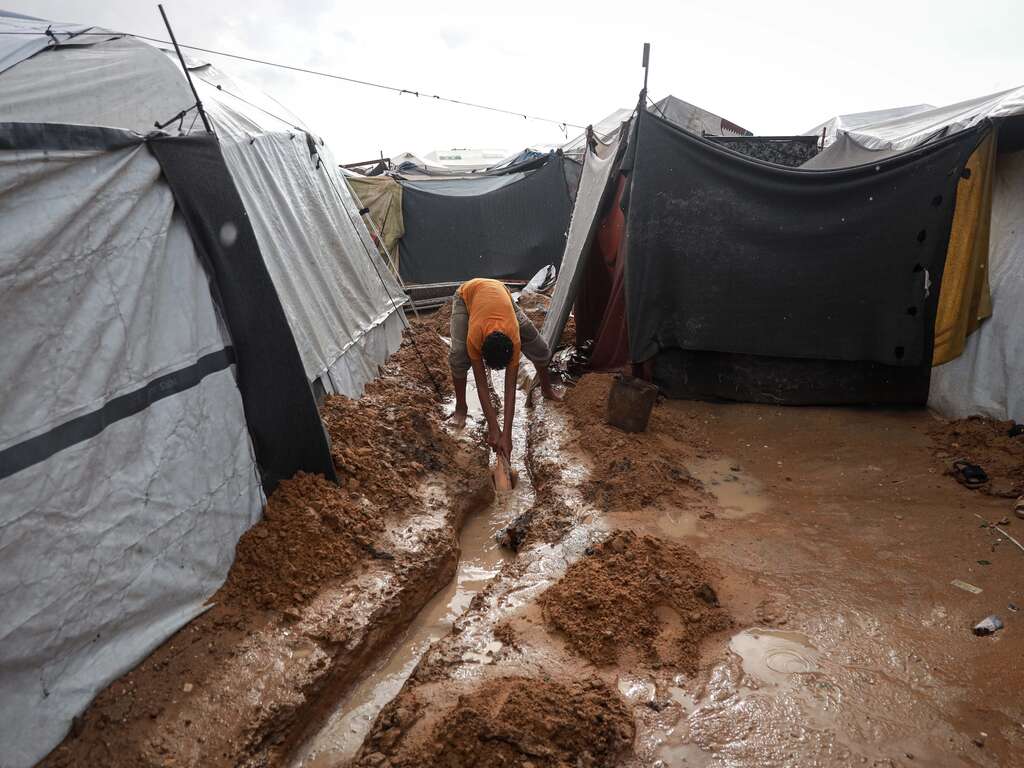
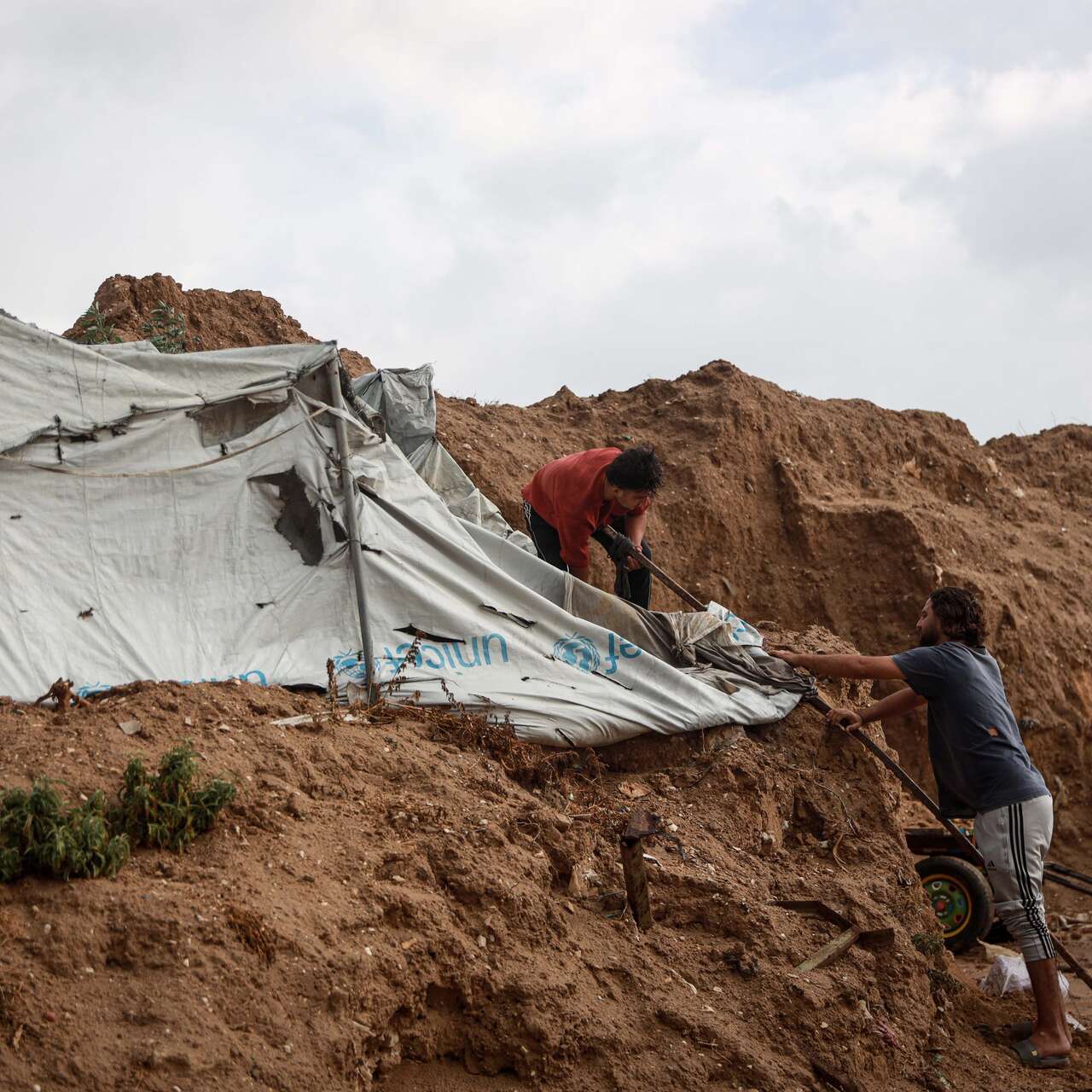
The first winter storm in Gaza has flooded tens of thousands of tents and homes over the weekend, soaking the mattresses, blankets, and clothes displaced families rely on to stay warm. At least 26,000 households have appealed to humanitarian organizations for help, and far more have likely been impacted. At least five people, including children, died on Sunday when a rain-soaked embankment collapsed onto tents south of Deir al-Balah, Gaza's civil defense service said.
"The ceasefire has not brought shelter to the almost 2 million people still displaced in Gaza," said Bob Kitchen, Vice President for Emergencies at the IRC.
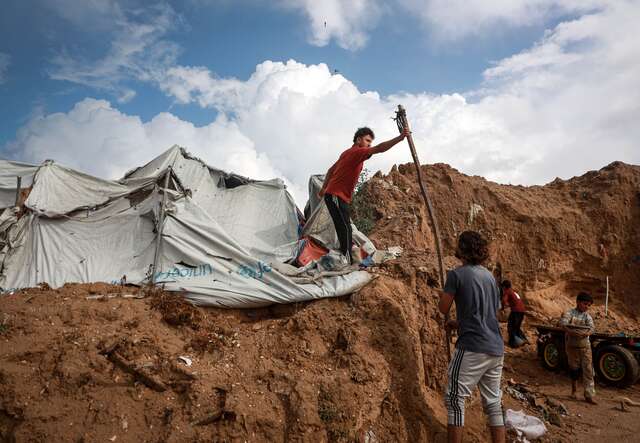
Heavy rain fell across Gaza over the weekend, and on Sunday it turned deadly. South of Deir al-Balah, an embankment weakened by the rain gave way and buried tents, killing at least five people, including children, according to Gaza’s civil defense service. IRC staff were hit too: dozens said their tents, or homes that were already badly damaged, flooded completely.
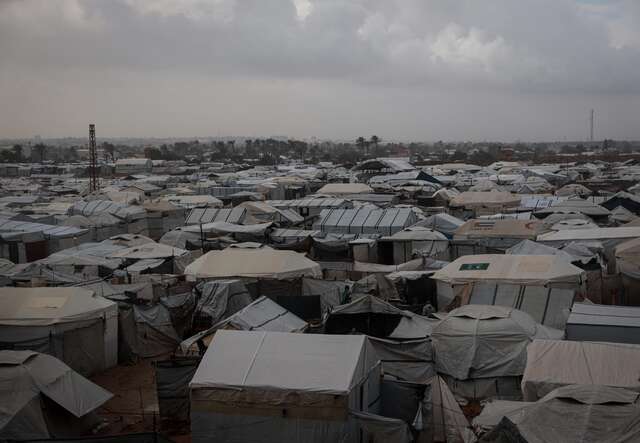
At least 26,000 households in Gaza have asked humanitarian organizations for help since the storm, and the real number affected is likely much higher. With almost 2 million people still displaced, tens of thousands of tents and homes took on water over the weekend, leaving many families without dry bedding, blankets or clothes as winter sets in.
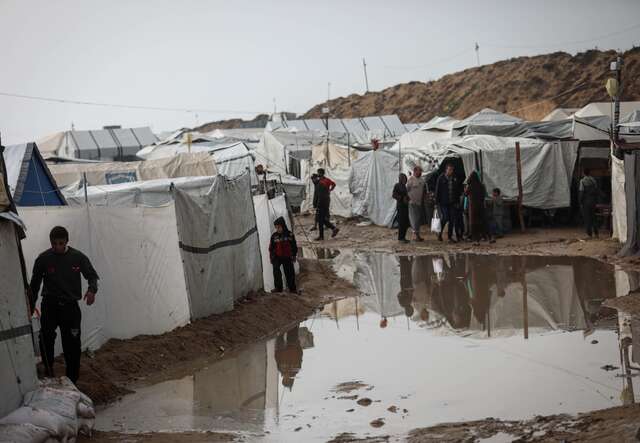
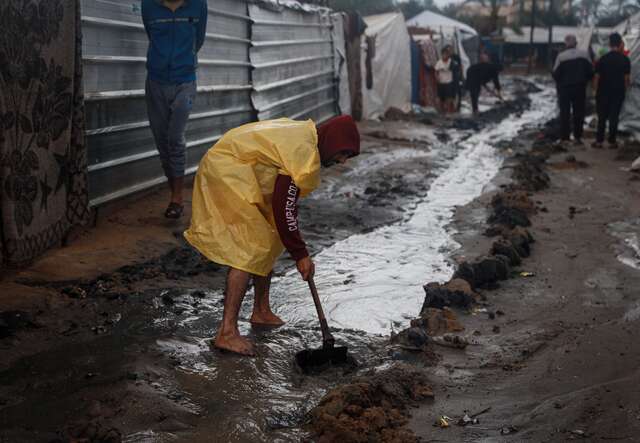
Pumping and drainage systems are failing without fuel, engine oil and spare parts, so water pooled around tents and blocked roads. Much of Gaza's water, sewage and drainage network was damaged during the war, leaving rainwater trapped around tents and shelters.
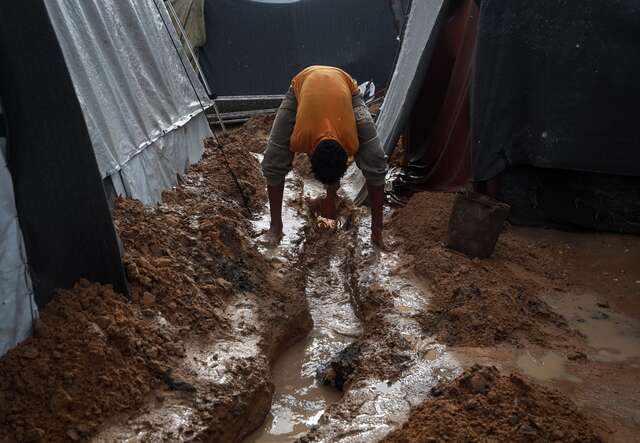
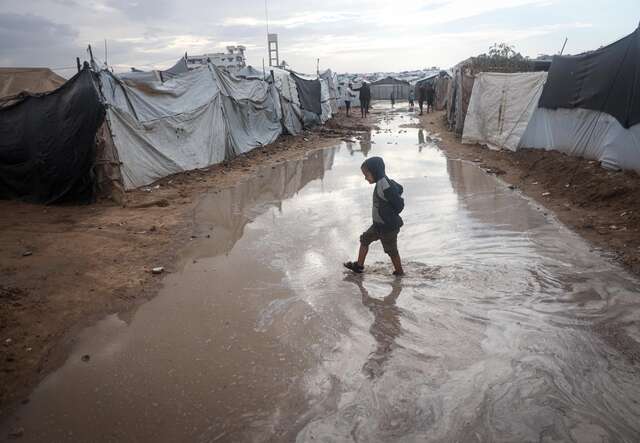
On Saturday night, IRC staff in Gaza described hearing families praying and children crying out over the sound of the rain.
"We've lost our tents. We don't even have a dry place to sleep." — Mona, IRC staff member in Gaza
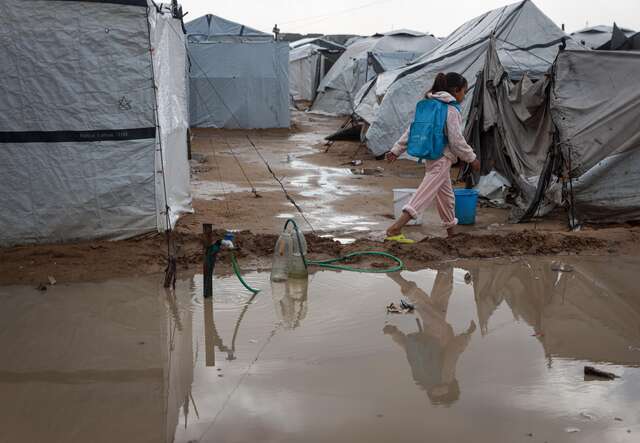
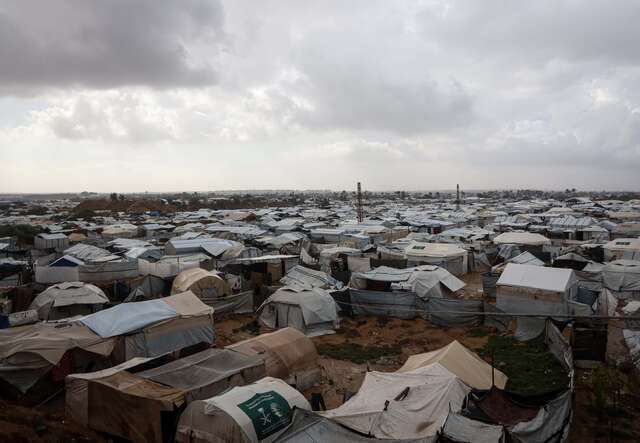
The storm hit a shelter response that was already stretched thin. As of November 1, the shelter cluster, which coordinates shelter aid in Gaza, estimated that families still needed about 121,000 tents, 561,000 tarpaulins, 57,000 emergency shelter kits and 1.7 million mattresses. Aid groups had about 2,800 tents in stock inside Gaza and no emergency shelter kits.
Severe import restrictions by the Israeli authorities are keeping shelter materials out of Gaza.
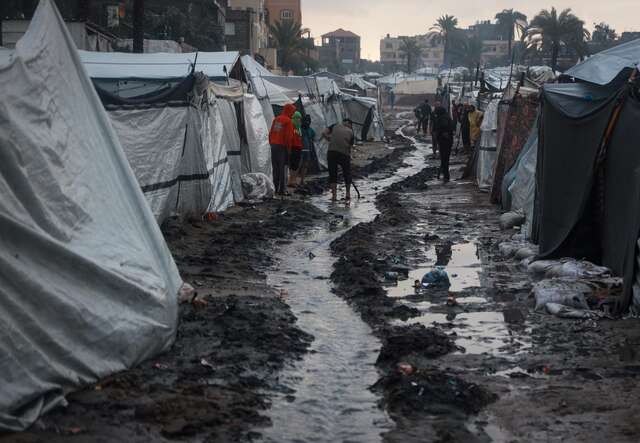
Families now face a fourth winter in tents and damaged buildings. Most tents in Gaza are designed to last around 6 months, but many families are still sheltering in tents from last winter or earlier, leaving them worn, torn and unable to protect people from the elements.
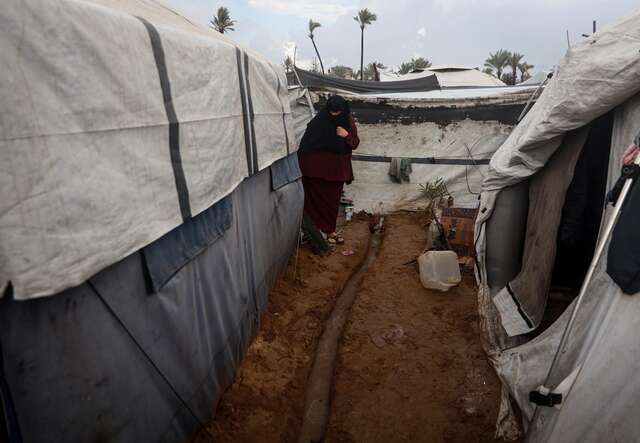
Beyond tents, they need materials to repair leaking roofs and dry mattresses and blankets to replace those ruined by floodwater.
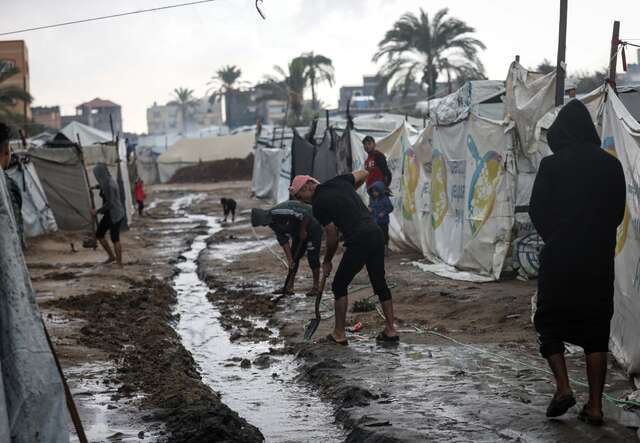
"Families in Gaza lost the little they had in a single weekend of rain, and there is little left to replace it. They need tents that can withstand heavy rain, and they need them now. Shelter materials such as tools and fixings for the repair of tents must be allowed into Gaza, so families are not left facing another winter without a dry place to sleep." — Bob Kitchen, Vice President for Emergencies, IRC
Shelter materials must be allowed in at scale, and donors should fully fund the winter response before the next storms hit.
The IRC is on the ground in Gaza, working to rehabilitate water infrastructure, maintaining critical water supply, and distributing hygiene kits.
A ceasefire alone will not address the massive needs in Gaza, as nearly all civilians in Gaza are in urgent need of humanitarian assistance.
Donate: Despite restrictions on aid delivery, the IRC and our partners continue to provide lifesaving services across the occupied Palestinian territory, including clean water and sanitation, malnutrition screening, child protection, support for women and girls, and emergency sexual and reproductive health care. With operations in more than 40 countries around the world, your donation to the IRC will deliver critical aid where it’s needed most.
$80 can provide medical care for a malnourished child throughout the course of treatment.
$250 can provide a family with the most essential necessities for survival for a month.
Our ratings: The IRC consistently earns top marks from charity watchdog groups for our efficient use of donor contributions and the effectiveness of our work.
Stay connected: Follow the latest from the IRC and share posts from our Instagram, LinkedIn, Facebook, Bluesky and X accounts with your network.
Stay informed: Read the Watchlist Midyear update and learn more about the world’s most pressing crises and what the IRC is doing to help.
Four-star rated by Charity Navigator · BBB Accredited Charity · Candid Platinum Transparency · CHS certified