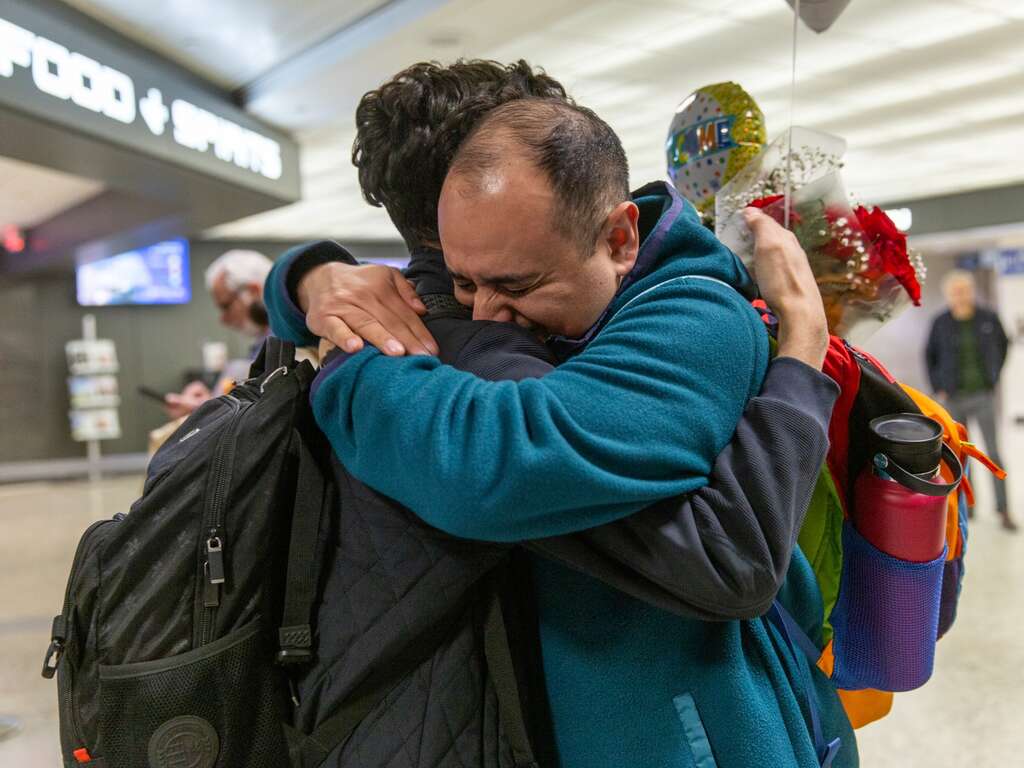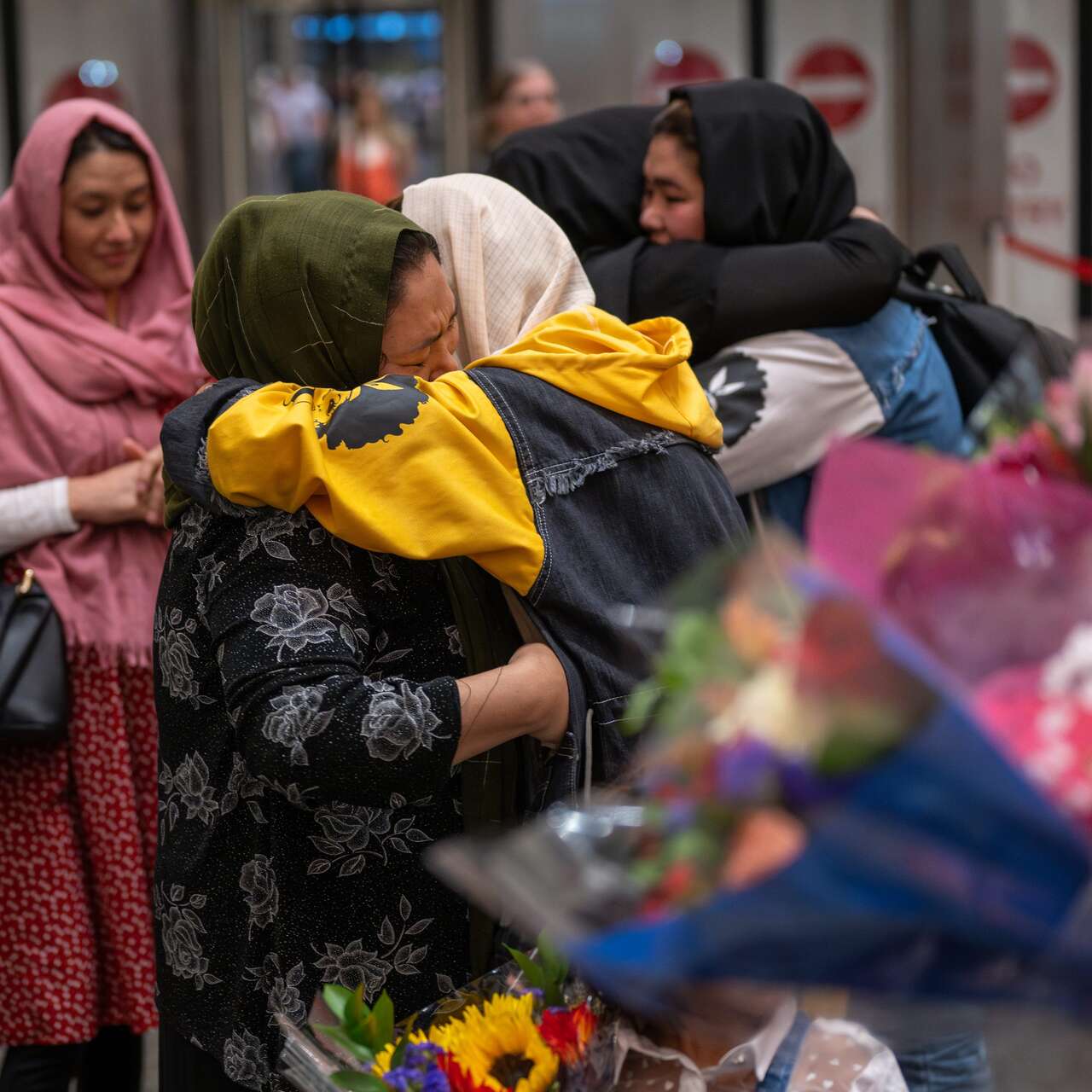
World Refugee Day
In a decade, the number of people forced from their homes has more than doubled, from 59.5 million in 2014 to over 120 million in 2024. The UNHCR reports that 117.8 million people around the world were forcibly displaced in 2025.
The numbers remain at historic highs. But the distance between us shouldn't.
This World Refugee Day, the International Rescue Committee invites you to join us in our efforts to close that distance: reaching people in crisis zones, supporting them on the long journey toward safety, and helping them rebuild wherever they are.
For the first time in a decade, the total number of forcibly displaced people declined—from 123 million at the end of 2024 to 117.8 million at the end of 2025. However, this is not a story of progress.
The decline was driven by one of the highest return rates of both refugees and internally displaced people on record. But these returns are not a sign that crises have been resolved. People are returning to communities in Syria, where 90% of the population lives in poverty. They are returning to Sudan, Afghanistan and the Democratic Republic of the Congo, not to situations of stability but fragility. Millions returned to countries wracked by conflict and crisis as the protections they rely on were stripped away.
Resettlement—one of the few genuinely durable pathways to safety—shrunk to its lowest level since 2011. There are now nearly three times as many refugees in the world as there were then. Asylum backlogs grew in 2025, all while the share of global aid to fragile and conflict-affected states collapsed.
The number of people forcibly displaced went down. The need for solutions did not.
The distances refugees and displaced people face are not abstract. For a sick child, the nearest clinic can be 50 miles away, across mountains, on roads that disappear in the rainy season. For a family forced to flee, the rare chance at resettlement can mean starting over thousands of miles from everything they knew. For a child trying to learn, school can be a long walk through areas marred by conflict.
The distance between us is smaller than we think. We share the same hopes for our families, fears in uncertain times, and need for safety, stability and opportunity.
Below, meet five IRC clients. Each of their journeys began differently, but they share a common thread: a path forward, made possible when the IRC was there to help close the distance.
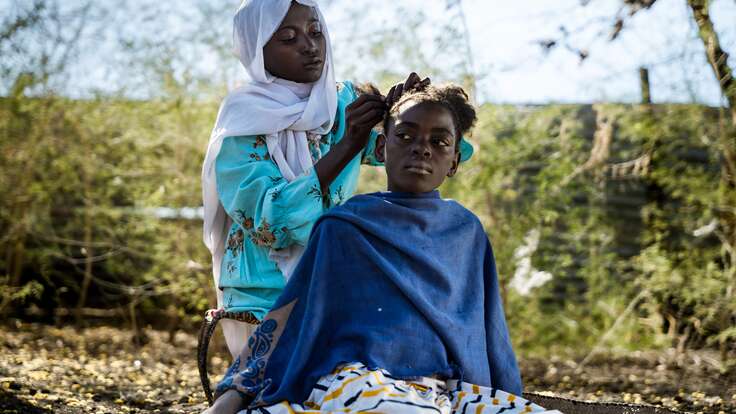
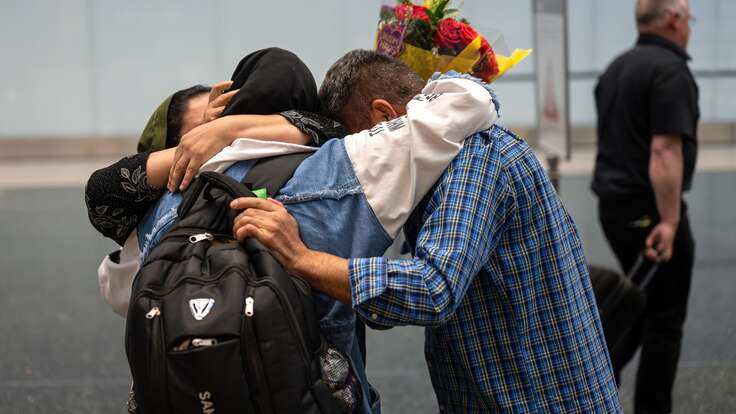
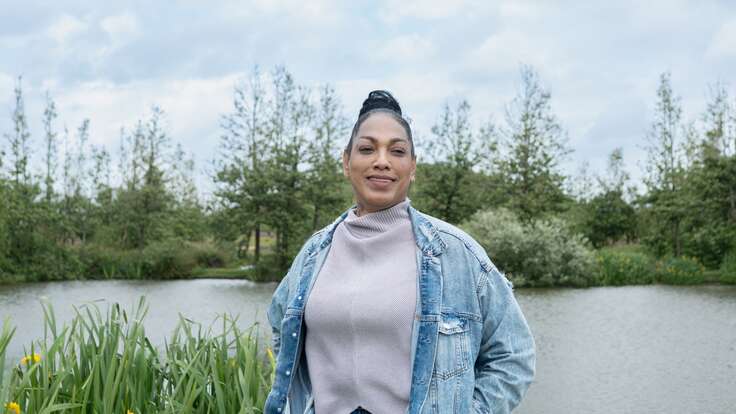
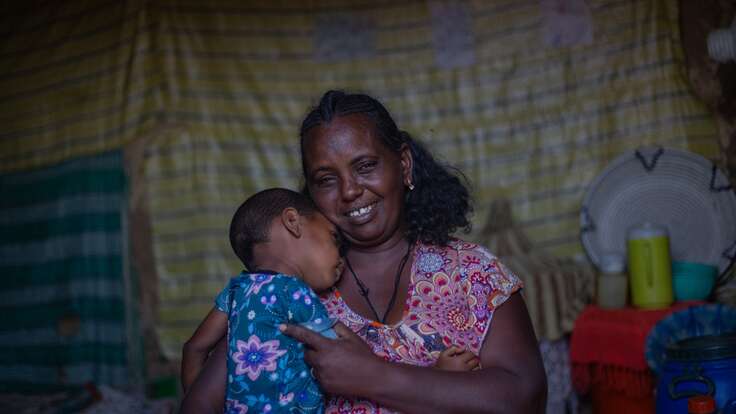
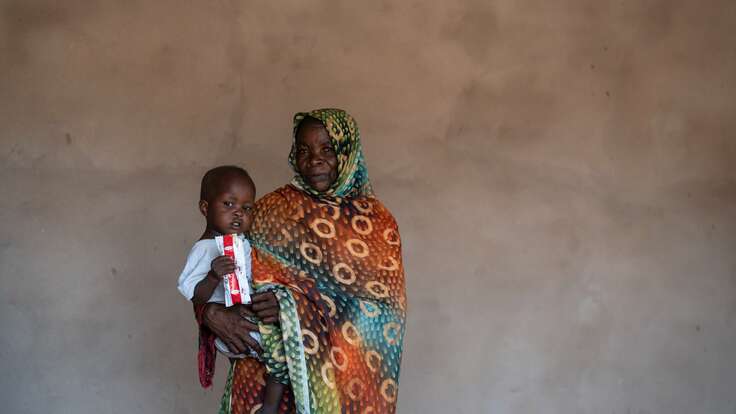
At the IRC, closing the distance is more than a message—it is our work every day, in some of the world's toughest places. We help close the distance between danger and safety, crisis and care, and lifesaving support and the people who need it most.
Every day, the IRC delivers vital support in more than 40 crisis-affected countries, including:
Find out more about what the IRC does to close the distance and how you can help deliver aid in crisis-affected communities around the world.
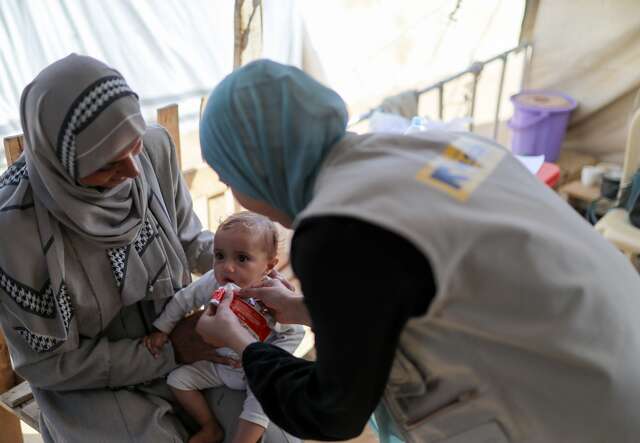
Nearly 118 million people are displaced today. The solutions, systems and support meant to help them are not keeping pace. But the IRC is not waiting for the gap to close itself. Every day, in more than 40 countries, the IRC is closing the distance between people in crisis and the durable solutions they need, like expanding safe pathways to protection, providing legal assistance to keep families together and supporting refugees in rebuilding their lives through employment, financial stability and community.
With more than 70% of refugees coming from just six fragile and conflict-affected countries, the IRC works directly in these places, helping communities withstand crises before people are forced to flee, and supporting those who do with the protection and services they need. Closing the distance also means going beyond the last mile: bringing vaccines to zero-dose children, cash assistance to families before disaster strikes, and trusted information to people navigating unfamiliar systems in languages they understand.
But this work demands collective action. With aid budgets slashed and humanitarian needs rising, policymakers, financial institutions, and global partners must invest in stability and opportunity.
Help us close the distance.
When we show up for refugees, whether across the street or across the world, we help bring people closer to safety, opportunity and belonging. Everyone has a role to play. Here are ways you can make a difference:
Every action helps close the distance for refugees in communities around the world.