Overview
Together, at the IRC and the LEGO Foundation, we build play-powered pathways to development, learning, and resilience for children living in conflict and crisis. Since 2019, we have reached more than seven million children across 12 countries in Africa, Asia, Latin America, and the Middle East.
Beginning in May 2026, we embarked on an ambitious new phase to bring this proven early learning approach to more than five million children in East Africa and the Middle East. Backed by a $97 million, five-year catalytic investment, this effort leverages national systems already in place to reach children and families. Our partnership supports pregnant mothers and children from birth through primary school years, helping ensure they receive holistic care and consistent learning opportunities.
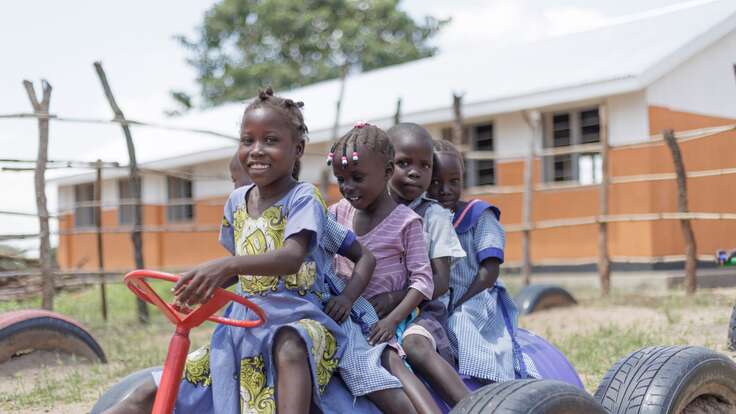
Children learn best through playful learning. It is how they develop language, build relationships, and make sense of the world around them.
In contexts of conflict and crisis, this becomes even more critical. Displacement, disruption, and stress can undermine early development and limit access to learning. Playful learning approaches help restore a sense of stability, support children’s emotional well-being, and enable them to continue learning—even in the most difficult circumstances.
Our play-based model delivers results and does so efficiently. The average humanitarian education program costs $240 per child. Our PlayMatters program, in comparison, delivered measurable improvements in learning outcomes in crisis-affected Ethiopian schools for as little as $38 per child—roughly one-sixth the sector average in one of the hardest operating environments in the world.
PlayMatters has also demonstrated that playful learning achieves strong improvements in children’s literacy, numeracy, and social and emotional development. In Ethiopia, IRC research found that PlayMatters generated equivalent impact on children’s empathy and twice the impact on emotional regulation, compared with other social‑emotional learning interventions.
Ahlan Simsim and Play to Learn have also demonstrated strong results in crisis-affected settings in the Middle East. In Lebanon, the Remote Early Learning Program (RELP) delivered measurable improvements in children’s literacy, numeracy, motor, and social-emotional skills through an 11-week remote, play-based model.
Independent research found that these impacts were comparable to the effects typically associated with nearly a full year of in-person preschool, demonstrating the potential of flexible and scalable approaches in emergency settings. Importantly, RELP achieved these outcomes at a fraction of the cost: while preschool provision in Lebanon was estimated at $802 per refugee child, RELP was projected to cost around $150 per child when serving 1,000 or more children, making it a highly cost-effective option in emergency settings where access to early learning is otherwise limited.
The IRC’s approach is grounded in evidence and has been tested across multiple contexts. By integrating it into existing systems—schools, early childhood programs, and caregiver support structures—the partnership ensures it is not only effective, but scalable.
Built around a unified child development pathway, this new partnership enables the IRC, the LEGO Foundation, and government and non-government partners to ensure children affected by crisis across East Africa and the Middle East receive consistent support from before birth through early schooling, allowing them to learn, develop, and thrive.
More than 400 million children currently live in or are fleeing conflict zones where disrupted schooling, toxic stress, food insecurity and limited access to learning threaten their development. At the same time, financing for education and early childhood development is limited: For instance, less than 4 percent of aid to crisis-affected countries supports early childhood development, despite strong evidence that early investment has the highest returns.
Drawing on proven models developed under programs such as PlayMatters, Ahlan Simsim, and Play to Learn, the IRC and the LEGO Foundation framework provides holistic support in the following ways:
- School-aged children (ages 3-12+): Strengthening pre-primary and primary education systems by integrating learning through play into teaching and learning practices, improving teaching quality, and supporting children’s holistic learning and well-being.
- Young children (ages 0-8): Scaling proven holistic early childhood development approaches that strengthen responsive caregiving, early learning, psychosocial well-being and nurturing care.
The IRC and the LEGO Foundation will prioritize areas where the IRC can leverage its already strong operational presence and strengthen national systems to build the capacity of teachers, education administrators and caregivers, strengthening the provision of early childhood development.
Since 2019, the IRC and the LEGO Foundation have built and strengthened play-powered pathways to development, learning, and resilience for children living in conflict and crisis.
To date, through eight projects, we have reached more than seven million children across 12 countries in Africa, Asia, Latin America, and the Middle East. These programs include:
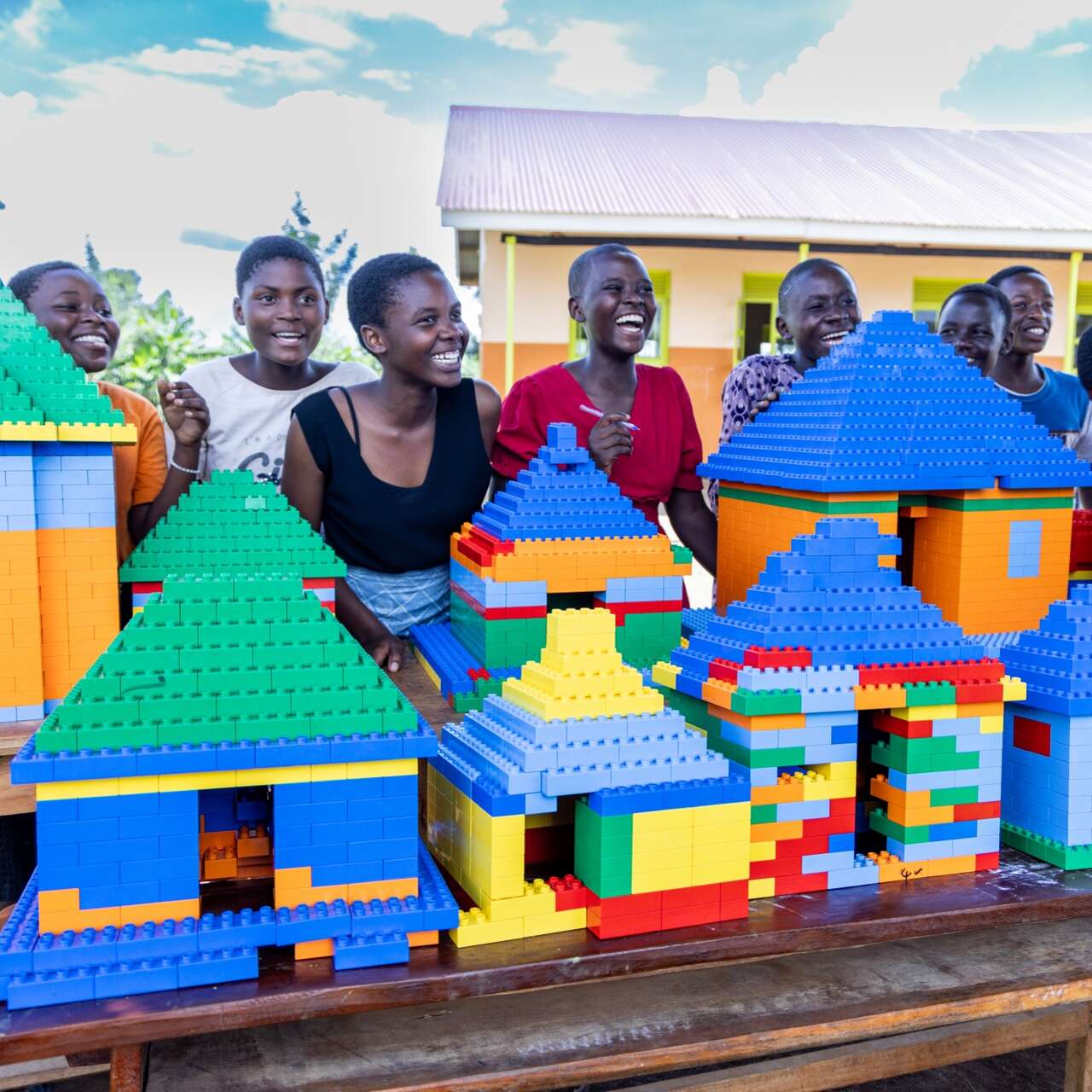
Implemented in Uganda, Ethiopia and Tanzania, PlayMatters works with governments to bring Learning Through Play into everyday classroom practice, including in refugee‑hosting and emergency settings. The program supports teachers with practical training so children stay engaged and keep learning, even in challenging environments. To date, PlayMatters has reached almost one million children across almost 1,000 schools, while also building evidence on what works and at what cost.
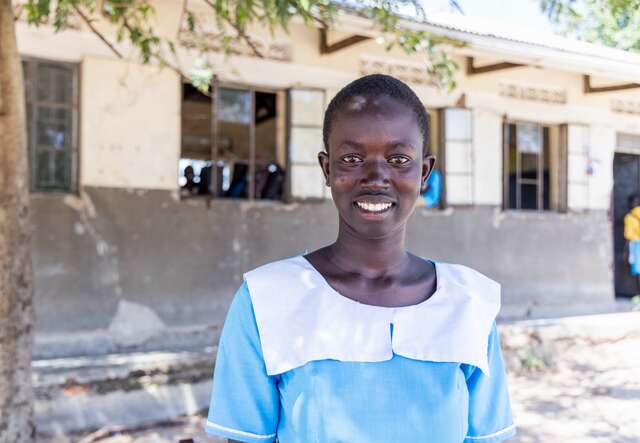
Play to Learn combines engaging, educational media with hands-on early childhood development and learning services tailored to local contexts. Play to Learn 2.0, led by Sesame Workshop in partnership with the IRC and BRAC, aims to reach more than 594,000 children and caregivers in Lebanon, Syria, and Jordan through IRC programming. The services delivered by the IRC programming include:
- Preschool and school readiness programs targeting children directly and through teachers and education systems,
- Caregiver support by reaching caregivers through various means to assist them in their children's development and learning journey,
- Play-based psychosocial support for children and their caregivers,
- Content development and teacher professional development,
- And broader efforts to strengthen national education and early childhood development systems through system support and national, regional and global policy and advocacy efforts.
Independent research led by Global TIES for Children at New York University shows this integrated approach, combining evidence-based educational media with IRC-led early childhood development and learning services, can significantly improve children’s language, numeracy, and social-emotional outcomes, and caregivers' wellbeing, even in crisis-affected contexts where traditional services are difficult to deliver.
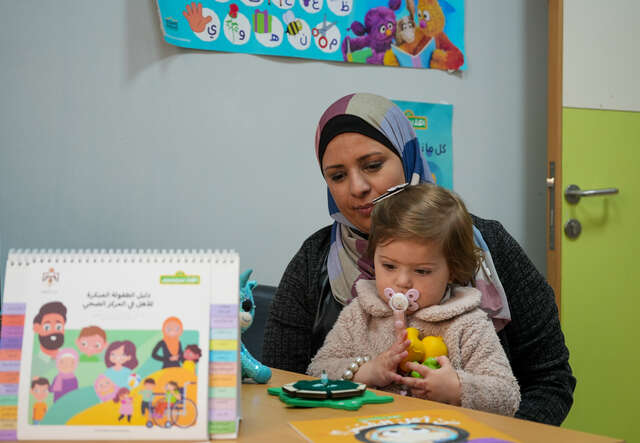
Implemented by the IRC, Playful Beginnings provided unique educational and playful experiences for over 90,000 children, caregivers and teachers affected by conflict and migration crises in Colombia and Venezuela. The project integrated protection, health, and nutrition components with playful learning and social-emotional support.
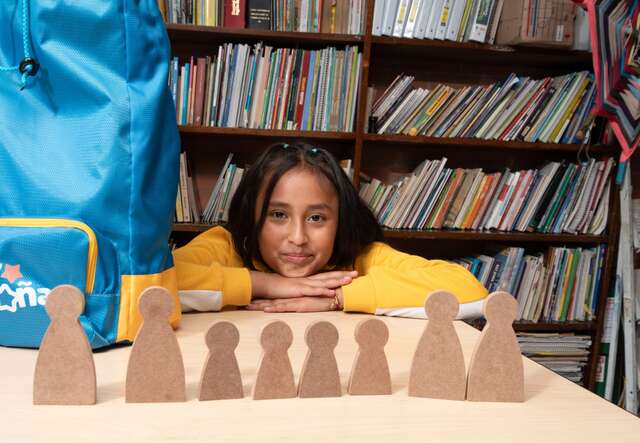
With the new five-year framework, the IRC and the LEGO Foundation will reach over five million children affected by conflict and crisis in East Africa and the Middle East.