Announcement
In the last 12 months, families across the United States have experienced previously reliable social safety nets falter, and in some instances fail, to meet their needs. Utahns from all backgrounds continue to rely on programs like the federal Supplementary Nutrition Assistance Program, or SNAP, to meet their family’s needs and ensure food is on the dinner table each night. For vulnerable Utahns, like newcomer refugee families, these benefits have offered a lifeline as families worked to achieve self-sufficiency. However, in July 2025, H.R.1 set in motion cuts that would eliminate access to federal nutrition programs for many refugees and immigrants nationwide.
At the International Rescue Committee (IRC) in Utah, our team has been at work since H.R.1 was set in motion to ensure that none of the refugee families we serve would go hungry.
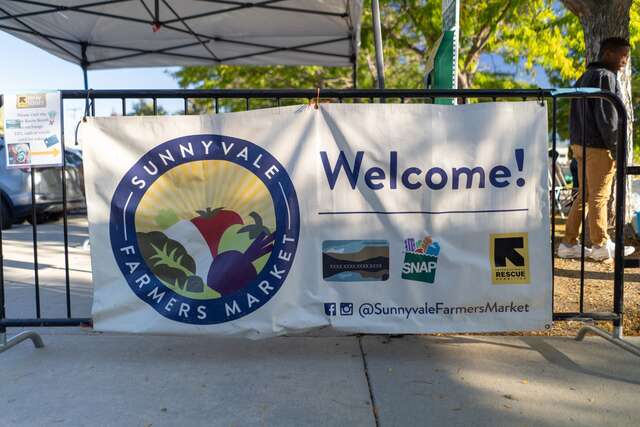
The IRC's New Roots program in Utah runs two weekly farmers markets from June through October, serving community members from all walks of life in one of the largest food deserts in Salt Lake County. Customers can use public food assistance benefits to access fresh, locally-grown produce throughout the growing season.
Photo: Andrew Oberstadt/IRC
Through the IRC’s New Roots program, food security has been a priority for years. Refugee and immigrant families address their household needs directly by participating in the community gardening program. With 13 sites across Salt Lake County, community gardens offer seasonal spaces for families to grow food to meet their needs, reduce burdens on their family budgets, and build community. Over 150 families (800+ individuals) access plots annually, ensuring everyone in the household reaps the benefits of the abundance.
Roza, a community gardener, confirmed, “Having my own garden keeps me healthy and happy.”
Beyond community garden access, New Roots serves the community through two farmer-led farmers markets where low-to-moderate income community members can access fresh produce using public benefits. Annually, hundreds of families from all backgrounds visit the markets to access low-cost, locally-grown produce. In August 2025, New Roots partnered with Utah Community Action to distribute $45,000 worth of produce vouchers ($100 increments) to households. The team served 450 households with the voucher booklets in less than two weeks.
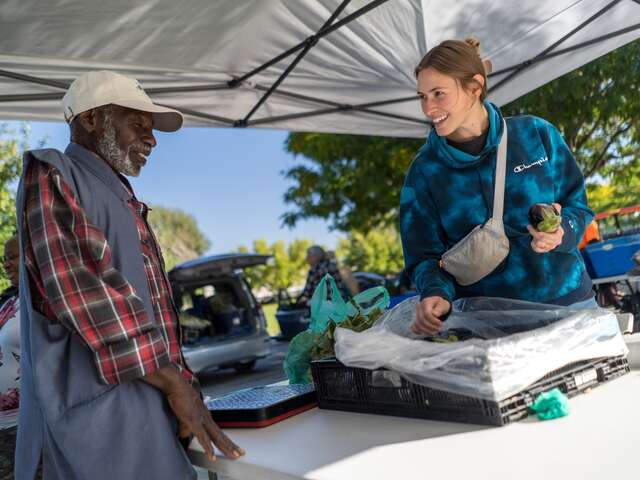
Omar, left, a New Roots farmer sells locally-grown produce at a New Roots Market, including to customers from all backgrounds and walks of life. Market customers can pay in cash, credit card, or utilizing public food assistance benefits.
Photo: Andrew Oberstadt/IRC
“The community response was incredible,” Sierra Govett, New Roots program manager reflects. “We had anticipated distributing the booklets over the course of multiple weeks. However, as soon as we promoted the efforts, families arrived from as far as Hyrum and American Fork to pick up vouchers to help meet their household food needs.”
In October and November, the government shutdown shook the foundations of food security nationally. Our team responded rapidly to gather resources, translate information, and identify the highest needs. The community stepped up to meet critical needs. The Church of Jesus Christ of Latter-day Saints provided an emergency food assistance grant to access grocery items from Bishop’s Storehouse. Grocery gift card donations poured in from local supporters to fill critical gaps.
A young Sudanese woman let team members know the difference the additional support made for her family: "We are so thankful to IRC SLC. We pray for you in our prayers five times a day. We are so lucky to be here with people with good hearts to help us. We truly cannot make it on our own. We are a big family and any help, especially food is so much appreciated during these expensive times and lack of resources."
Now, the families we serve face a permanent change to SNAP benefits. Starting February 1, 2026, the state of Utah is forced to start terminating SNAP benefits for refugee and immigrant families who do not yet have permanent residency (a green card) or citizenship. Over the coming months, families of all shapes and sizes will begin to lose access to SNAP. The IRC is at work to help families address these changes by working on household budgets, identifying opportunities to improve employment, and ensure families are connected to their local food pantry. Overall, the state of Utah anticipates at least 230 families who will lose food assistance, including families served by the IRC.
We need your help to address growing food security concerns in our local community!
Volunteer.
Sign up to support as a Health & Food Access Volunteer, helping local families learn how to navigate food pantries and other resources. Learn more »
Give.
Make a one-time gift or start a monthly contribution to the IRC’s local Soft Landing Fund. This fund helps address critical needs, including housing and food assistance. 100% of donations made to the Soft Landing Fund go directly to local families to meet their emergency needs. Give today »
Gather.
Organize a grocery gift card drive with your workplace to collect gift cards in increments of $20-$100 to local grocery stores. Learn more »
Connect.
If you’re an employer with opportunities to help improve a family’s situation, reach out so we might identify the next great candidate for your open role! Email us at SaltLakeCity@Rescue.org.