Humanitarian aid
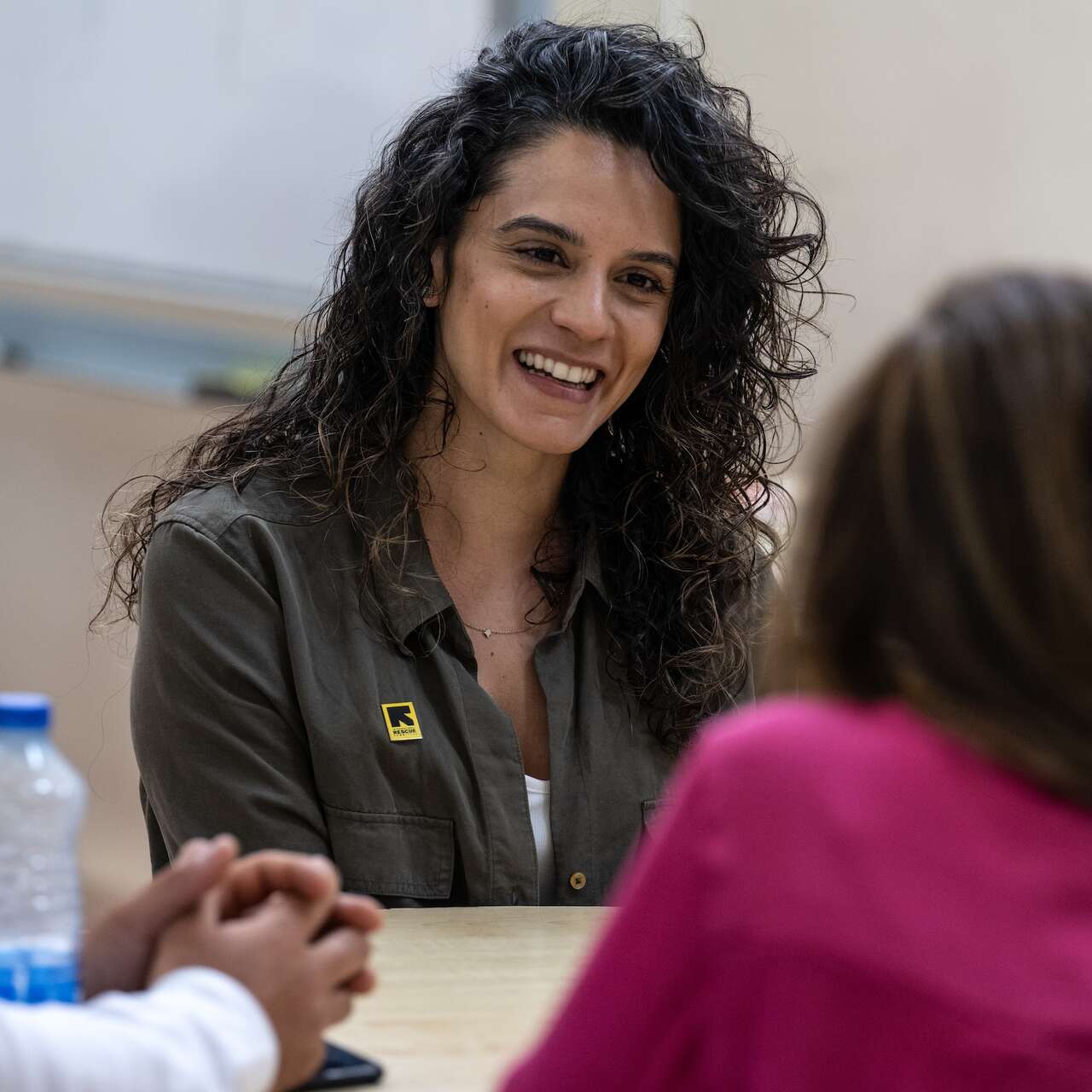
Sepideh Moafi recently joined season two of HBO's "The Pitt" as Dr. Baran Al-Hashimi, an emergency room doctor shaped by her experience delivering medical care in crisis zones. Dr. Al-Hashimi represents the countless real humanitarian health workers who risk their lives every day to provide care to people in need—and she was directly inspired by them.
Sepideh recently sat down with IRC Regional Vice President for MENAU Sherine Ibrahim to discuss how her own experiences as a refugee and IRC Ambassador shaped her performance on the show.
On "The Pitt," Dr. Baran Al-Hashimi brings a depth of experience to the emergency room—one forged by her time working with Doctors Without Borders in Kabul.
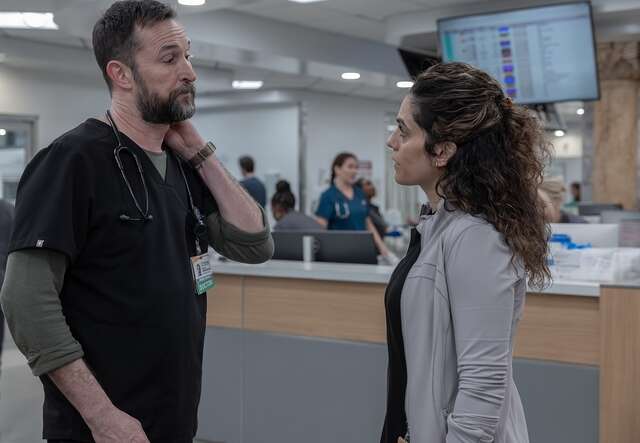
“We're living through this era of proliferating crises, climate disasters, war and displacement, collapsing health systems, rising authoritarianism, funding cuts which have directly affected Afghanistan in an unimaginable way,” Moafi told the IRC. “So introducing this character that has practiced medicine in those environments (...) adds a different sort of gravity to the environment at the hospital.”
“We need these voices, we need the voices of these doctors who carry this global experience.”
Born in a refugee camp after her family fled Iran in the years following the Iranian Revolution, Moafi credits her own background with shaping the lens through which she sees the world.
As an IRC Ambassador, she has also witnessed firsthand the impact that humanitarian workers can have. In 2023, she traveled with the IRC to Zaatari refugee camp in Jordan, where the IRC provides vital health care and protection services for women and girls. There, she heard from humanitarian workers and refugees who had been forcibly displaced from their homes in Syria.
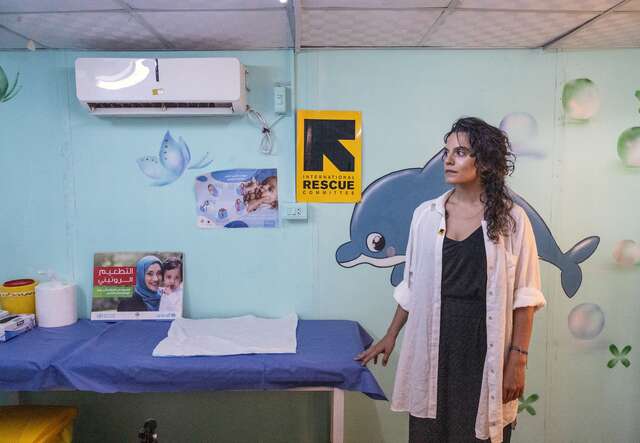
“As all of my friends who work in the humanitarian field say, once you go abroad and you spend time abroad, you're never the same. You're forever changed,” Moafi said.
“And so it's been so beautiful to be able to more directly incorporate some of the work that I've witnessed with the IRC.”
Though fictional, Dr. Al-Hashimi's background mirrors the work of real humanitarian workers in conflict and disaster settings. Her character resonated deeply with IRC's Regional Vice President for MENAU Sherine Ibrahim, who recalled the IRC's response to the 2025 earthquakes in Afghanistan.
“The first team members who are ready to deploy to these remote locations were our female colleagues, our female mobile health workers.” Ibrahim said.
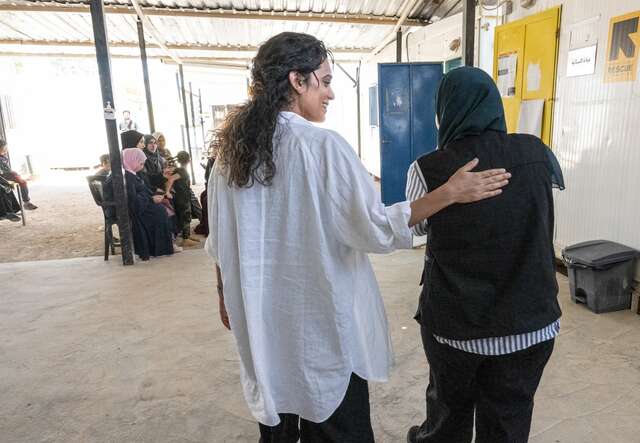
“If I were to draw comparisons between your character, I would draw it with the mobile team of female doctors who, without questioning, without sparing any effort, (...) they were ready to get on that chopper.”
“I see that parallel. They are the real heroes. They spare no effort.”
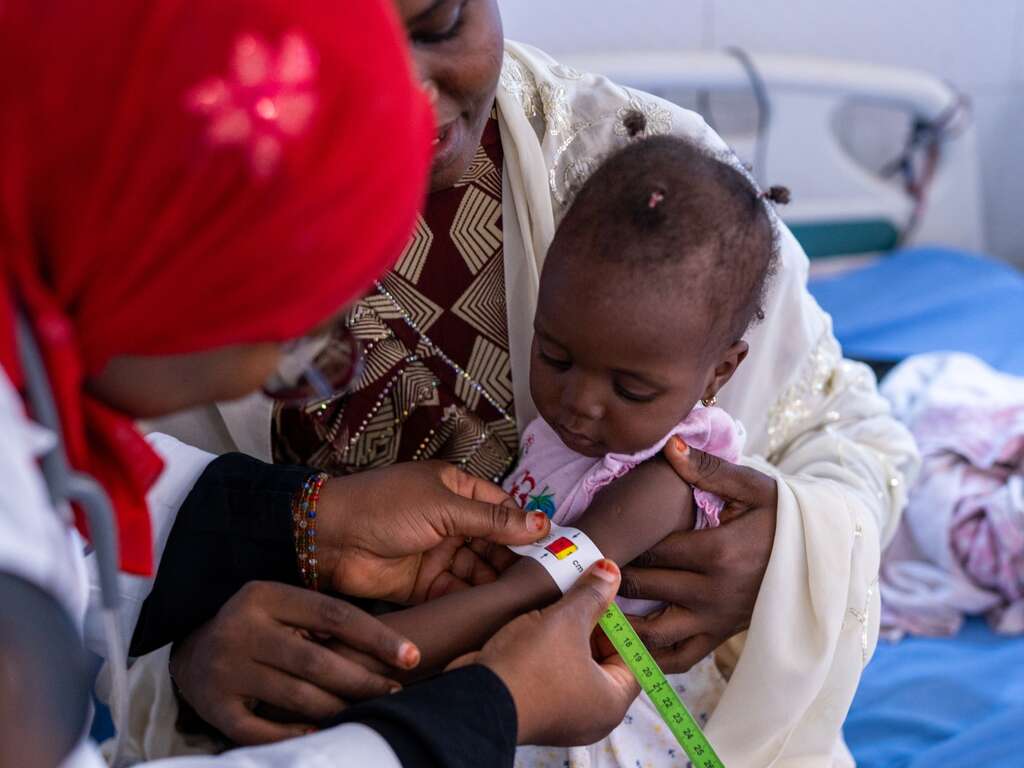
Alongside partners, the IRC delivers health care in crisis zones around the world—including malnutrition treatment, vaccine delivery, maternal and newborn care, psychosocial support, and mobile emergency health assistance.
Support this and other forms of humanitarian aid at Rescue.org/Donate
The International Rescue Committee responds to the world’s worst humanitarian crises, helping to restore health, safety, education, economic wellbeing, and power to people devastated by conflict and disaster. Founded in 1933 at the call of Albert Einstein, the IRC works in more than 40 countries and in 28 U.S. cities helping people to survive, reclaim control of their future, and strengthen their communities. Learn more at rescue.org.