Policy
Third country removals, explained
Governments are sending thousands of people to unfamiliar—and sometimes dangerous—countries, with little warning and few legal protections
Governments are sending thousands of people to unfamiliar—and sometimes dangerous—countries, with little warning and few legal protections
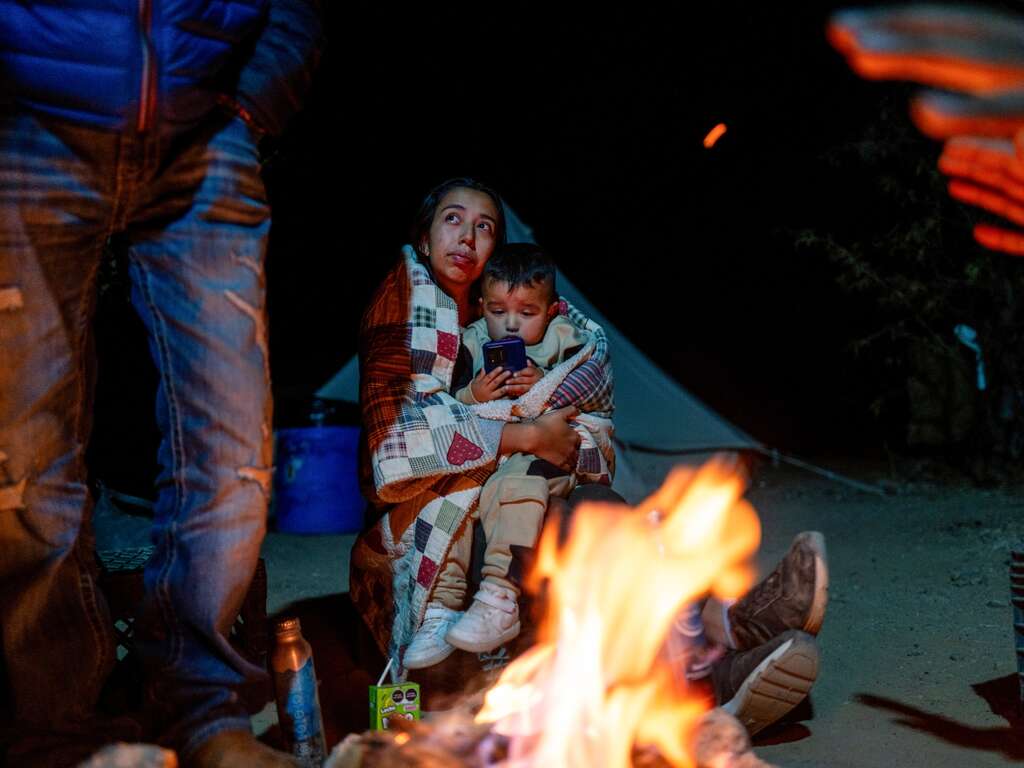
Over the past few years—in an effort to deter people from seeking asylum in their countries—governments have increasingly turned to deporting people to third countries to which they have no connection. Italy has sent people seeking asylum to Albania and the United States has deported people to more than 30 countries including the Democratic Republic of Congo and Central African Republic.
Removing people to third countries is not new, but the past years have seen a large uptick. These third country removals are costly, legally questionable and create serious humanitarian concerns. People may face heightened risks, including torture, if removed to countries where their safety cannot be guaranteed, particularly where independent monitoring and accountability mechanisms are weak or absent.
Removing people to third countries happens through diplomatic agreements or other arrangements with the receiving country. These agreements take different forms.
International law guarantees the right to seek asylum and protects everyone against being returned to a country where they are likely to face persecution or torture. Safe third country arrangements are, by definition, meant to comply with international law. In practice, though, these arrangements have not always protected people, and several have faced legal challenges.
Courts have previously found agreements such as the US-Canada Safe Third Country agreement and the European Union’s Dublin procedures to be legal, because they are returning asylum seekers to countries that are party to the Refugee Convention and other human rights treaties, and have well-established protection mechanisms.
Other attempts at third country asylum agreements have been blocked for violating human rights protections, such as the now-defunct plan to send asylum seekers from the U.K. to Rwanda, which was blocked by courts including the European Court of Human Rights and the U.K. Supreme Court. There are several lawsuits challenging U.S. third country deportation practices, with at least one court finding the policy illegal, although that ruling is paused pending appeal. Legal challenges against other third country policies such as the UK-France Deal and a deal between Italy and Albania to process asylum claims and support deportations outside of the E.U. are facing similar legal challenges, with courts yet to issue final rulings.

Yes, the E.U. uses third country removals and implemented its Pact on Migration and Asylum in June 2026. Under the pact, the E.U. will expand the ways in which the safe third country concept can be applied, allowing E.U. member states to deny claims and return asylum seekers to countries to which they have only loose family connections, have transited through, or—when there is a bilateral agreement—no connection at all. The E.U. is also expanding options for “return hubs,” through its new Return Regulation.
Return hubs are essentially detention and deportation centers in far-flung locations outside the EU, beyond the reach of independent monitors, legal and humanitarian support, and human rights mechanisms. Italy has been piloting a return hub-style detention center in Albania for the past year, where it has sent people from countries including Morocco, Georgia and Egypt.
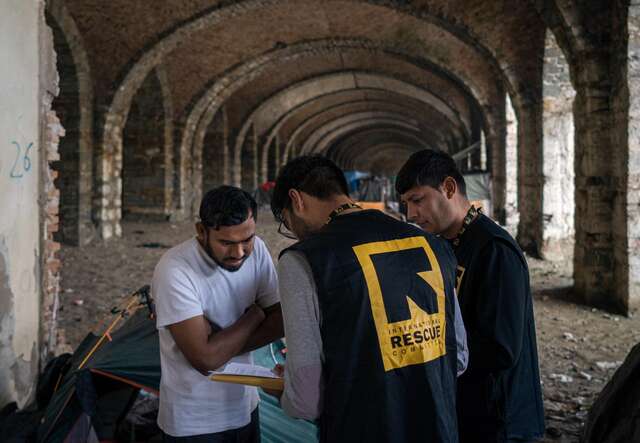
Yes, the U.S. has entered into third country removal agreements with at least 31 countries, including some of the most fragile and conflict-affected places on earth.
In April 2026, at least 15 people from South American countries were deported to the Democratic Republic of Congo (DRC), which is 7th on IRC’s Watchlist of countries at the greatest risk of humanitarian disaster due to long-term conflict, and is currently in the midst of an Ebola outbreak. The U.S. has paused third country deportations to the DRC during the Ebola outbreak, but the pause offers no relief to those already sent there, who remain stranded in a country gripped by conflict and disease.
The U.S. has also relied on STC agreements to “pretermit” asylum requests, meaning they dismiss the application without allowing the person to make their case in immigration court. More than 75,000 asylum petitions have been pretermitted, with the U.S. government arguing that these asylum seekers can be sent to places like Guatemala, Honduras, Ecuador or Uganda to seek protection.
Between January 2025 and May 2026, approximately 17,500 people have been removed from the U.S. to third countries, including those with ongoing asylum claims—and even some who had already been granted legal protections under Convention Against Torture and had been residing in the U.S. for many years.
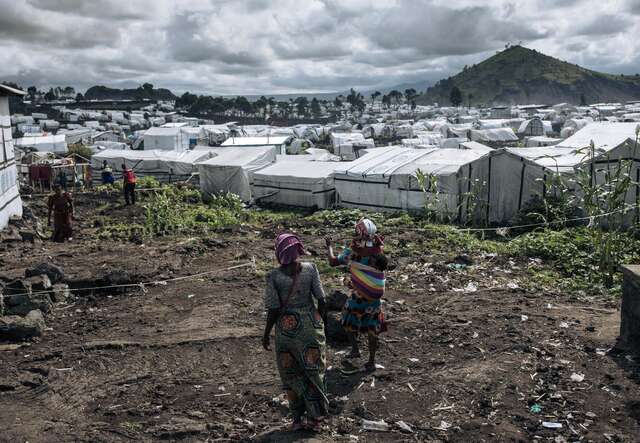
Returns to third countries create distinct, and sometimes compounded risks, compared to returns of people to their countries of origin.
A Colombian woman sent to DRC described to reporters being treated “like a child,” and feeling lost in a “completely unknown place, without a place to live and without knowing what to do.” A Cuban man sent to southern Mexico described a similar feeling to Human Rights Watch: “Now I’m here alone, I don’t know anyone, I don’t know the area, I don’t know anything.” Third country removals can cut people off from access to essential healthcare, as was the case with another woman deported to DRC where she reportedly could not access treatment for her thyroid condition.
A Dutch MEP visiting people detained at the “repatriation hub” Italy set up in Albania noted significant concerns: “There were several suicide attempts recorded in the registry of critical events—people who tried to sew their mouths, lips, wrists; one person even drank shampoo.” An IRC visit to the return facility in Albania reinforced these concerns, with IRC staff noting significant unaddressed mental health concerns, lack of information about rights, and isolation and family separation.
Third country removals and safe third country arrangements also risk subjecting people to “chain refoulement,” where protections against deportation to a country of persecution or torture are not respected. This reportedly happened to a Guatemalan man who was returned to Mexico and then deported back to Guatemala, despite fearing persecution there on account of his sexual orientation.
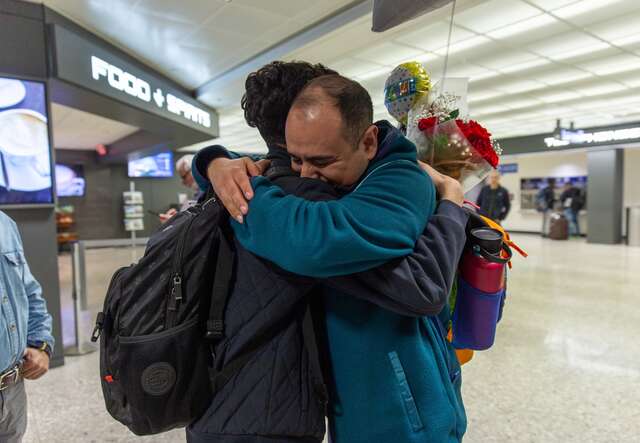
Third country agreements are expensive, legally dubious, and generally fail to deter arrivals while creating significant human rights and humanitarian challenges for those impacted.
The UK-Rwanda scheme was estimated to have cost UK taxpayers nearly £300 million ($400 million USD) just in bilateral payments, even though no one was sent to Rwanda. Rather than spending taxpayer money on these schemes, policymakers should focus on creating safe, orderly pathways like resettlement for people who need protection.
Countries participating in third country removals must ensure they are lawful and safe. This includes protecting people against being sent back to danger and assessing each person’s need for protection. Anyone affected should have access to a lawyer and independent organizations should monitor conditions.
Above all, countries should invest in policies that support and protect crisis-affected people.
The IRC’s offices in the U.S. and Europe provide legal and humanitarian support to refugees and asylum seekers, and advocate for smarter, more welcoming policies that support and protect crisis-affected people worldwide.