Innovations in aid
Innovation vs cuts: Humanitarian aid in 2026
While global funding retreats, the IRC’s cost-effective solutions keep services running.
While global funding retreats, the IRC’s cost-effective solutions keep services running.
In early 2025, the Trump administration cancelled roughly 83% of grants administered by the United States Agency for International Development (USAID). Other major donor governments, including the United Kingdom and Germany, followed suit, marking a devastating blow to global humanitarian efforts.
Behind these cuts is a devastating reality: millions of people are losing access to services they rely on to survive. Health clinics have closed. Children are no longer able to attend school. Protection services have shuttered.
This is a matter of life or death.
At a time when the humanitarian landscape is defined by urgent need and declining global investment, some believe the humanitarian movement is in retreat. At the International Rescue Committee (IRC), it is just the opposite. Our focus remains on reaching people in crisis with cost‑effective solutions and adapting to meet today’s challenges.
Read on to learn what’s at risk and find out how you can help.
Humanitarian aid is assistance designed to save lives and reduce suffering during and after crises, such as floods, famine or conflicts. It helps families meet immediate needs, like food, health care, clean water, and shelter, while supporting recovery and long-term stability.
In the last 30 years, humanitarian programs have driven major global progress. Extreme poverty has fallen dramatically, immunization campaigns have saved millions of children’s lives, and preventable diseases like smallpox have been eradicated. Child mortality worldwide has dropped by half.
Today, that progress is at risk. The IRC’s 2026 Emergency Watchlist highlights a dangerous divergence between soaring crises and collapsing support for humanitarian aid, leaving families without the health care, nutrition, protection, and education they depend on.
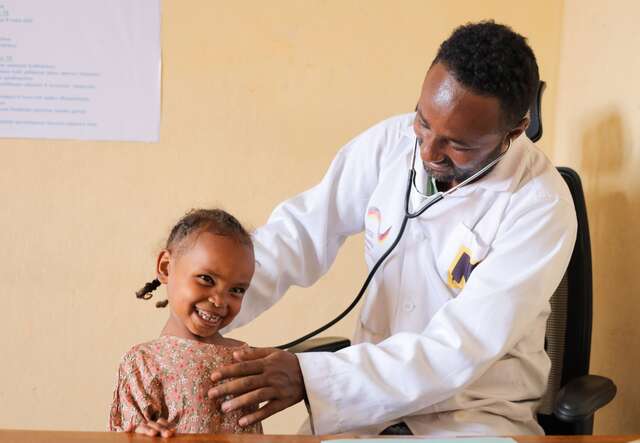
U.S. funding terminations and freezes have disrupted vital services, including health care, nutrition support, education, and emergency relief. These cuts are not easily reversed.
Countries affected, including Ukraine, Sudan, Yemen and Syria, are home to millions of civilians who have endured years of conflict and instability. For many communities, humanitarian aid is not supplemental support; it is a lifeline.
Funding cuts are impacting the entire humanitarian sector, forcing organizations worldwide to scale back or shut down programs. The scale of disruption is severe. At the IRC alone, more than 6 million clients have experienced service interruptions, and 2 million have lost services entirely.
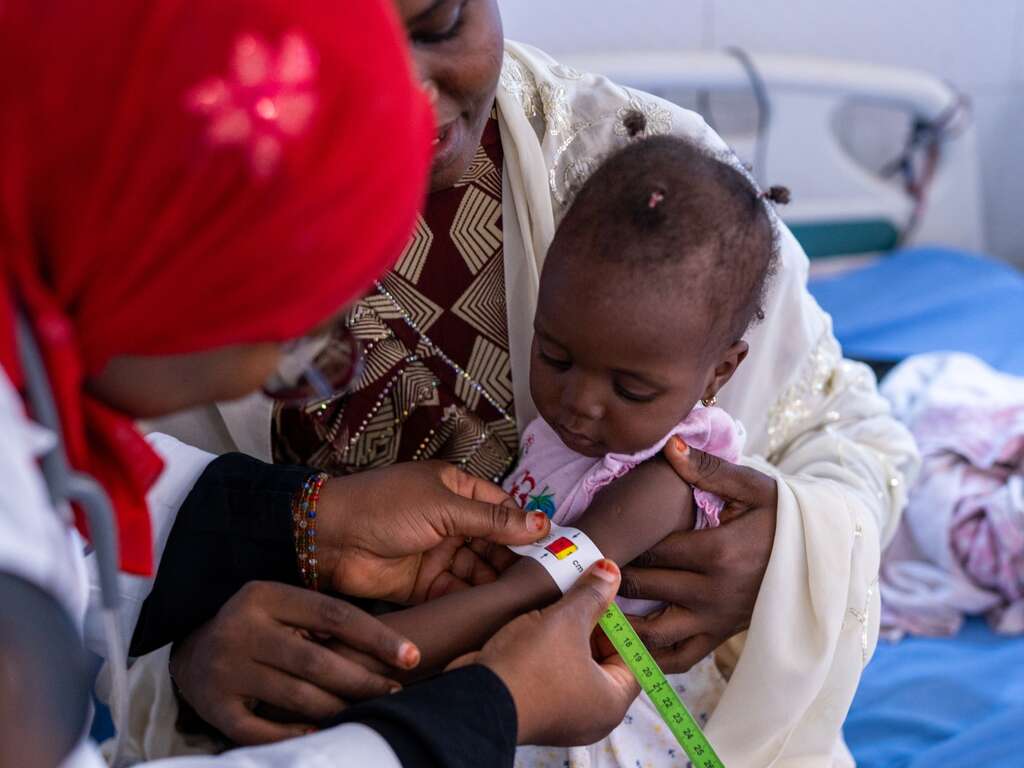
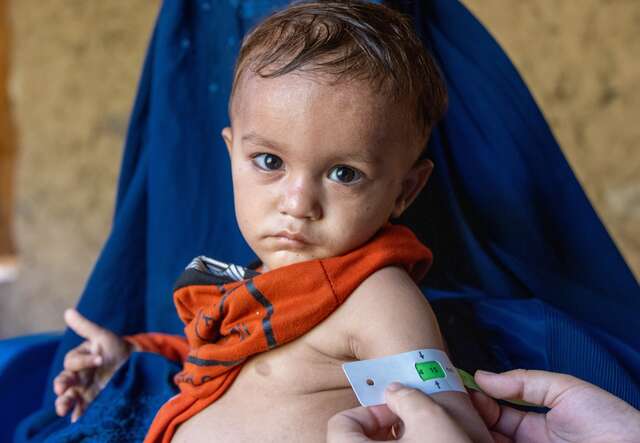
The world’s most vulnerable bear the impact. U.S.-funded malnutrition and health clinics have closed, reducing access to care for severely malnourished children and essential health services. Funding cuts have also disrupted education, clean water, food assistance and other basic needs, leaving families without vital services they previously relied on.
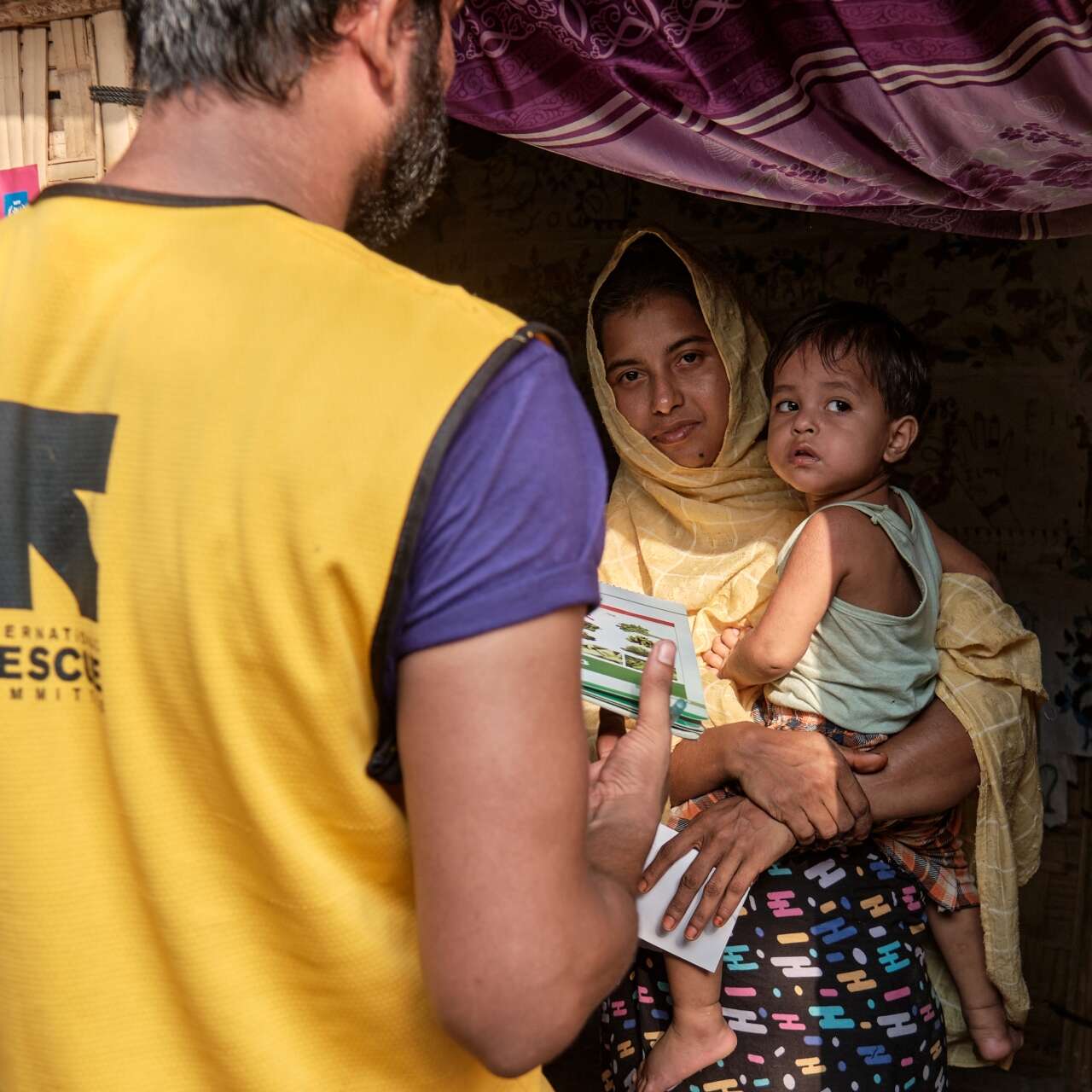
Despite drops in funding, IRC teams have worked to secure alternative funding, reduced costs without compromising care, and continued to work with local partners to sustain vital programs. As a result, millions of people—especially women and girls—have continued to receive healthcare, food assistance, vaccines and protection when they need them most.
However, urgent support is needed to sustain our work.
As an industry leader in cost efficiency and impact evaluation, the IRC prioritizes interventions with the strongest track record per dollar. We are investing in a research and innovation agenda to shape the next generation of breakthrough interventions.
Today, the IRC has more than 15 AI-enabled initiatives embedded across programs supported by strong governance, staff training, and data safeguards. These tools help us anticipate crises, support staff capacity, and deliver clearer, faster information to people who need it most.
Our innovations include:
Across emergencies and protracted crises, the IRC is focusing on flagship interventions that can be delivered at scale and at lower cost:
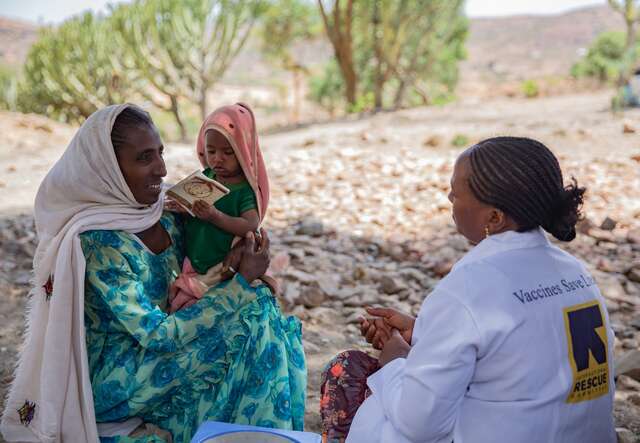
Within the U.S., the IRC delivers critical services in 29 cities across 17 states, supporting refugees, asylum seekers, and other newcomers as they rebuild their lives.
Our U.S. programs include legal information and representation, crisis assistance for vulnerable children, support for survivors of trafficking, and help meeting basic needs like housing, food, and employment. As policies shift and needs grow, the IRC remains focused on protecting rights, promoting stability, and ensuring newcomers are welcomed with dignity.
The IRC has always risen to the moment in the most challenging situations for our clients, and we will continue to do so. However, we urgently need your support to keep critical services going, and to help us reach more people in need during these critical times.
Donate: The IRC relies on donors like you to deliver lasting impact in more than 40 crisis-affected countries worldwide.
Learn more about how you can help the IRC continue our mission.
The International Rescue Committee has over 90 years of experience helping people affected by crisis in more than 40 countries to survive, recover and rebuild their lives. We also help refugees and displaced people resettle and integrate into new communities in the U.S. and across Europe.
Our ratings: We consistently earn top marks from charity watchdog groups for our efficient use of donor contributions and the effectiveness of our work.
Get connected: Follow the IRC on Instagram, LinkedIn, Facebook, Bluesky and X.
Stay informed: Learn more about the world’s most pressing crises and what the IRC is doing to help.