Our impact
In 2025, humanitarian needs around the world soared as conflict, natural disasters, economic shocks, and abrupt changes in donor funding left millions without access to essential services. In response, the International Rescue Committee (IRC) worked to sustain lifesaving support and advocate for the protection of civilians and humanitarian access.
Below are five of the most urgent crises of the year and how the IRC made a difference in each.
In February 2025, the U.S. State Department abruptly terminated at least 10,000 foreign-aid grants and contracts.
Countries hit hard included Afghanistan, Sudan, Yemen, Ukraine, Syria and the Democratic Republic of Congo, home to tens of millions of innocent civilians in need. The cuts disrupted vital services, including health care, nutrition, protection services and other emergency relief.
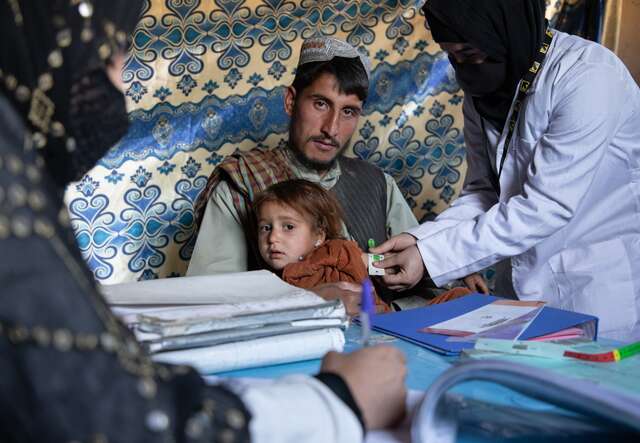
The IRC conducted rapid contingency planning to keep essential programming operational, reprioritized internal funds, and called on our donors to help sustain health and protection services.
IRC CEO and President CEO David Miliband explained, “In this new funding era, we are deepening our commitment to what works, prioritizing sustaining our programs for the most vulnerable clients, optimizing our use of resources, and re-envisioning our role in the future.”
Israeli forces began airstrikes and ground operations after Hamas and other armed groups launched a deadly ground incursion and rocket barrage on southern Israel on October 7, 2023, killing 1,200 people and taking over 200 hostages. Since then more than 69,500 Palestinians have been killed and over 170,000 injured. Continuous Israeli operations caused severe destruction and widespread death and displacement throughout Gaza and displacing 1.9 million people. Over two million Palestinians—half of them children—lack access to sufficient water, food, or medical care.
In addition, humanitarian access to the occupied Palestinian territory (oPt) remains extremely restricted and it is one of the deadliest places in the world for aid workers: over 560 humanitarians have been killed in the conflict.
Despite a fragile ceasefire that went into effect in October 2025, restrictions on aid continue to make it difficult for families to access basic necessities. There are still critical shortages of essential items such as affordable food, medical supplies, water and shelter.
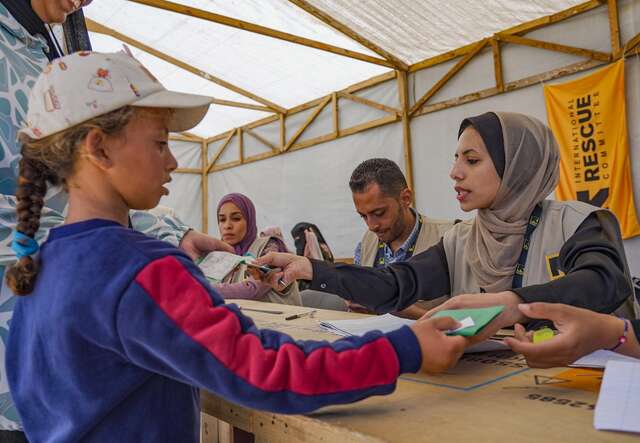
Despite shrinking access, the IRC sustained health and protection programming through local partners and mobile teams in Gaza, supporting partners delivering medical care, trauma support, and essential supplies to communities otherwise cut off from aid.
Malnutrition is a leading cause of child deaths worldwide, despite the existence of a simple and effective treatment.
Conflict, displacement, food-price shocks, and droughts leave families unable to access nutritious food. Traditional treatment models (expensive, complicated, and clinic-based) leave many malnourished children without care, even where therapeutic food supplies exist.

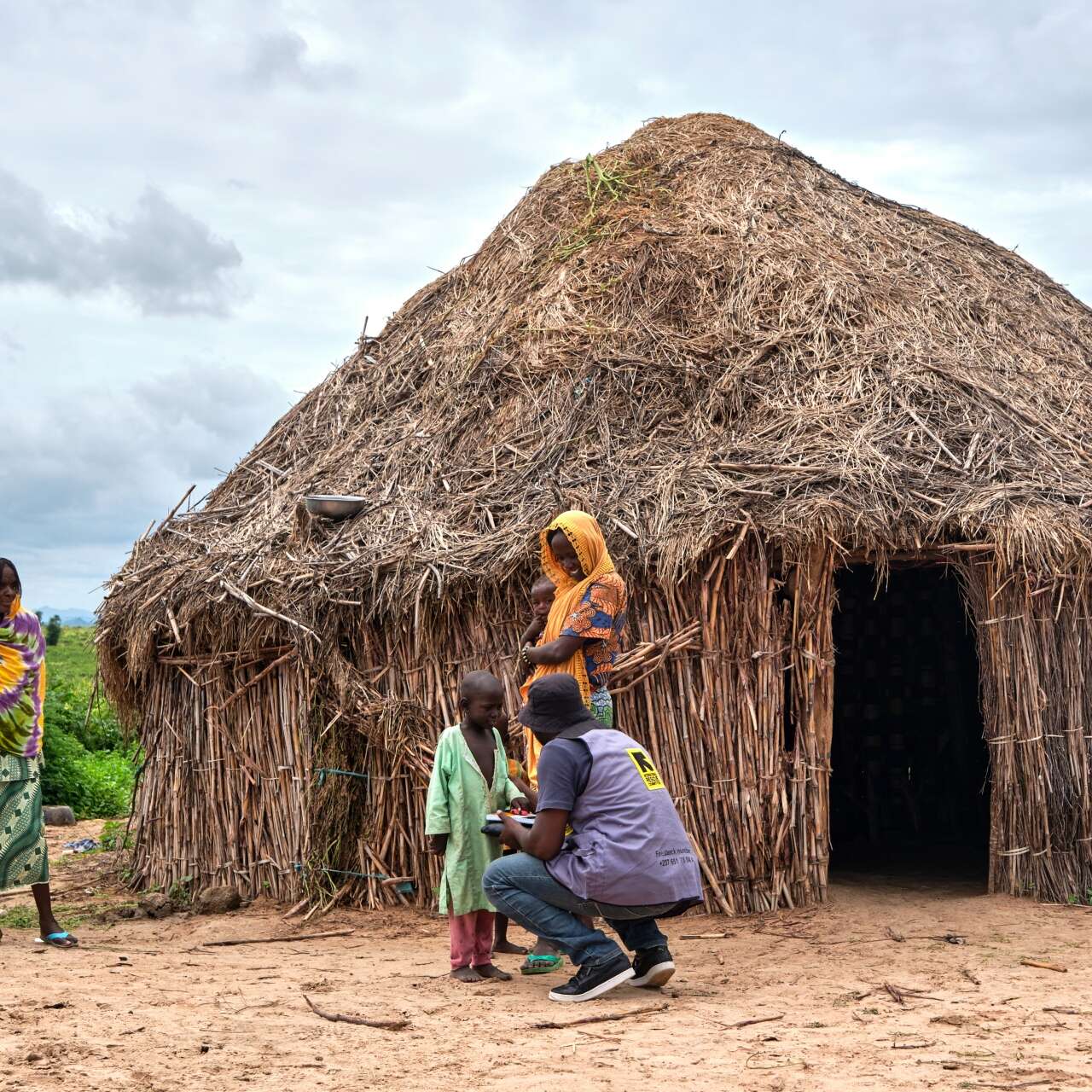
The IRC has been a leader and pioneer in child nutrition for decades. Each year we treat over 600,000 children worldwide. Our approach is unique: we champion a simplified treatment protocol for children experiencing moderate or severe acute malnutrition with a single treatment, and we train community health workers to diagnose and treat children in hard-to-reach communities.
The results are clear: the IRC’s approach helps over 90% of children recover, costs 20% less per child treated, and uses 25% less product than the traditional approach to treating malnutrition. With your support, we are working to ensure that all children can access life-saving care.
Sudan entered 2025 facing one of the world’s most severe food-security emergencies. Ongoing civil war has destroyed farmland, shuttered markets, displaced millions, and led to tightened humanitarian access. More than 750,000 people are experiencing catastrophic hunger, meaning starvation, death, and the total collapse of livelihoods is imminent without immediate intervention. For children, pregnant women, and food-insecure families, the crisis is especially severe.

The IRC met the evolving need in Sudan by expanding operations across the highest-need states, delivering cash assistance, nutrition treatment, primary health care, water and sanitation services, and protection support for women and children. The IRC also opened new field offices to reach underserved communities, while repeatedly calling for a ceasefire and unrestricted humanitarian access to prevent famine in the hardest-hit regions.
On March 28, 2025, a 7.7-magnitude earthquake struck central Myanmar, killing more than 3,800 people and damaging homes, hospitals, roads and water infrastructure. Many families were left without shelter, clean water, or access to functioning health facilities. IRC assessments identified Mandalay, Sagaing, Nay Pyi Taw, and parts of Shan State as among the hardest-hit areas.
The disaster compounded an already ongoing humanitarian crisis marked by conflict, displacement, and deep economic instability.
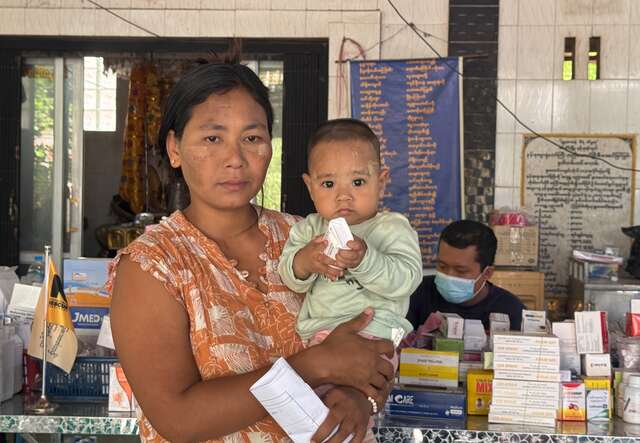
Within a month of the earthquake, the IRC had reached over 10,000 people with emergency health services, protection support, and clean water and sanitation support. Mobile clinics allowed teams to reach affected households despite damaged infrastructure. The IRC also called for increased international funding, warning that families remained vulnerable to disease outbreaks and long-term displacement without sustained support.
Around the globe, the IRC provides critical programs through cost-effective, evidence-based programming that transform lives. Help make a difference by supporting these efforts.
The International Rescue Committee has over 90 years of experience helping people affected by crisis in more than 40 countries to survive, recover and rebuild their lives. We also help refugees and displaced people resettle and integrate into new communities in the U.S. and across Europe.
Our ratings: We consistently earn top marks from charity watchdog groups for our efficient use of donor contributions and the effectiveness of our work.
Get connected: Follow the IRC on Instagram, LinkedIn, Facebook, Bluesky and X.
Volunteer: Join one of the IRC’s 29 offices across the U.S.
Stay informed: Learn more about the world’s most pressing crises and what the IRC is doing to help.