Malnutrition crisis
Inside the IRC’s lifesaving work at Kenya’s largest refugee camp
Amid devastating aid cuts, health manager Dr. Sila and her teams are fighting to keep vital facilities running in Kakuma refugee settlement.
Amid devastating aid cuts, health manager Dr. Sila and her teams are fighting to keep vital facilities running in Kakuma refugee settlement.
“The reason I became a doctor was to help people. And whenever I looked around, I was trying to figure out: where could I have the most impact?”
Recognizing the critical need for humanitarian health work in Kenya, Dr. Sila quickly made her decision. For the past six years, she has led the IRC's response to the country's refugee malnutrition crisis and has dedicated her life to this vital work.
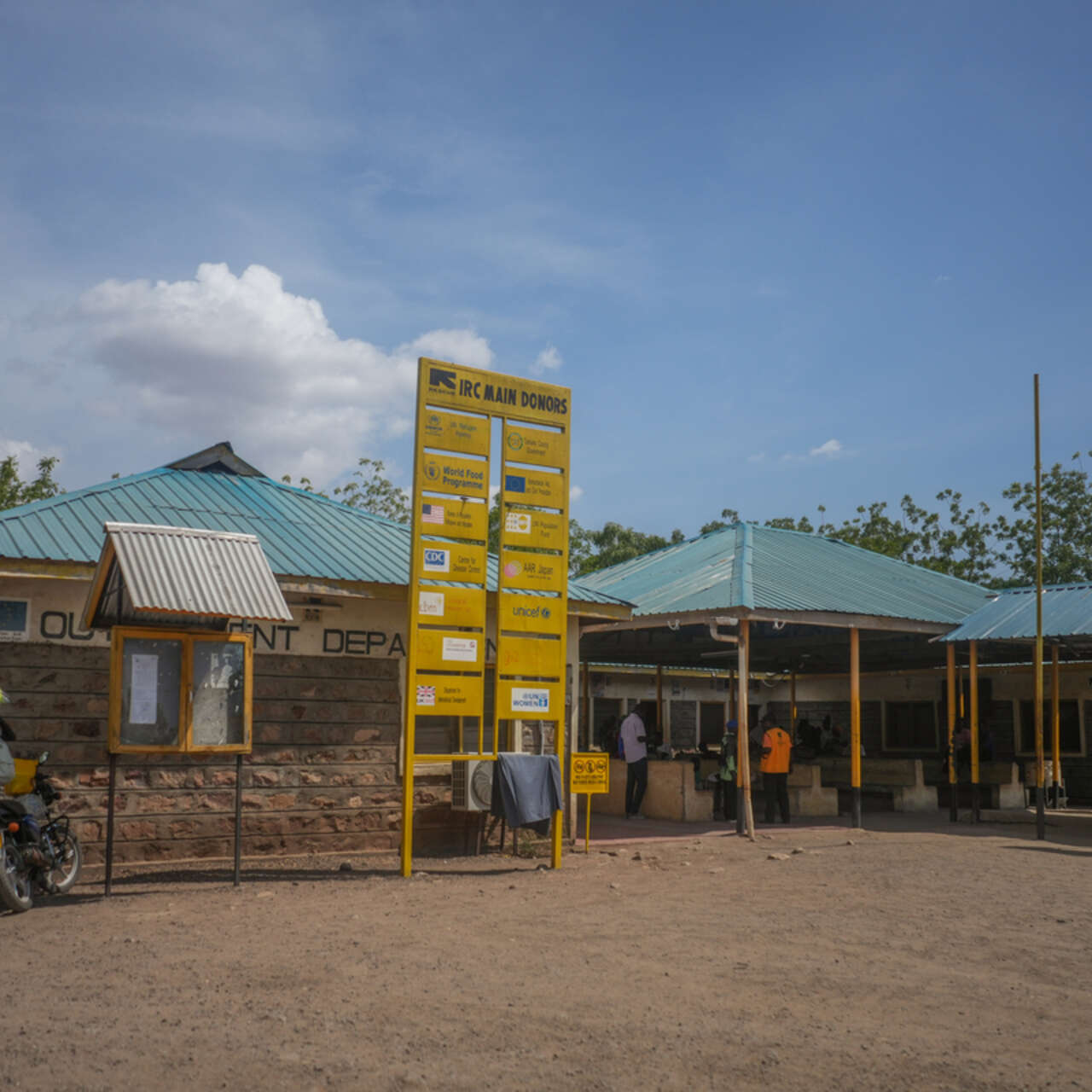
Home to over 300,000 refugees, Kakuma settlement is the largest displacement camp in Kenya, and one of the biggest in the world. Many families arrive here escaping conflict and persecution in Sudan, the Democratic Republic of the Congo (DRC), and as far as Yemen and Afghanistan.
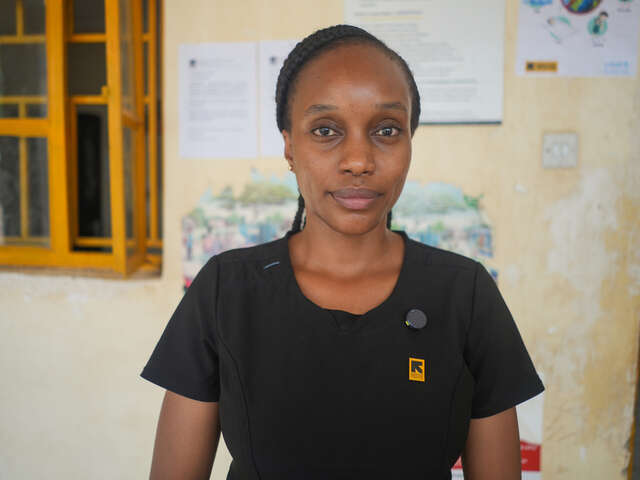
Dr. Sila oversees seven IRC-run facilities in Kakuma, each providing a broad range of primary healthcare services. This includes a general hospital, a maternity ward and a malnutrition stabilization center. Every day, thousands of children face the devastating effects of malnutrition. To support their recovery, our teams implement a carefully designed three-step treatment program, focused on delivering swift and effective results.
“In the inpatient therapeutic feeding, they receive a very calorie dense milk formula that helps them gain weight quickly,” says Dr Sila. “Once they are gaining weight, we slowly introduce them to the nutritious peanut paste.”
Even after a child is discharged, treatment continues to reduce the risk of relapse. Parents are provided with an additional supply of RUTF, a high-energy, nutrient-rich paste, to aid their child’s ongoing recovery at home. They return to the outpatient ward for regular checkups to closely monitor their child’s progress.
2025 brought some of the biggest challenges yet for Dr. Sila and her teams. Major aid cuts by the U.S. government slashed their funding by around 50%, leaving them to serve the same population with fewer staff and limited resources.
These cuts were accompanied by the rollout of differentiated assistance, meaning some households lost access to the vital nutritional support they once depended on.
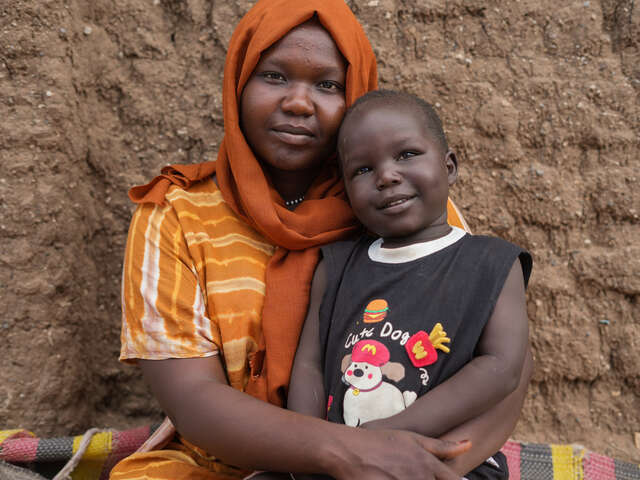
As a result, Dr. Sila’s teams observed a rise in malnutrition diagnoses, affecting not only children but also adults. “What’s especially concerning is the pregnant women,” she explains. “If they are malnourished, it means the children will also be malnourished, and they will also probably come out as premature. So the cycle continues.”
“So this child already begins a few steps behind everyone else, and then they have to do catch-up growth. At the same time, the household is food insecure, so the mother is not able to provide enough breastmilk. This child might never gain weight adequately and they end up again becoming enrolled into a nutrition program.”
To help mothers and their children break out of this vicious cycle, the IRC runs various support groups in Kakuma. In “mother to mother” groups, women are offered advice on nutrition, such as how to cook the most nutritious meals with limited ingredients.
Community awareness and prevention have been crucial in maintaining low malnutrition rates. Beyond its team of in-house doctors, nurses, and clinicians, the IRC has also trained 360 refugee community health workers.
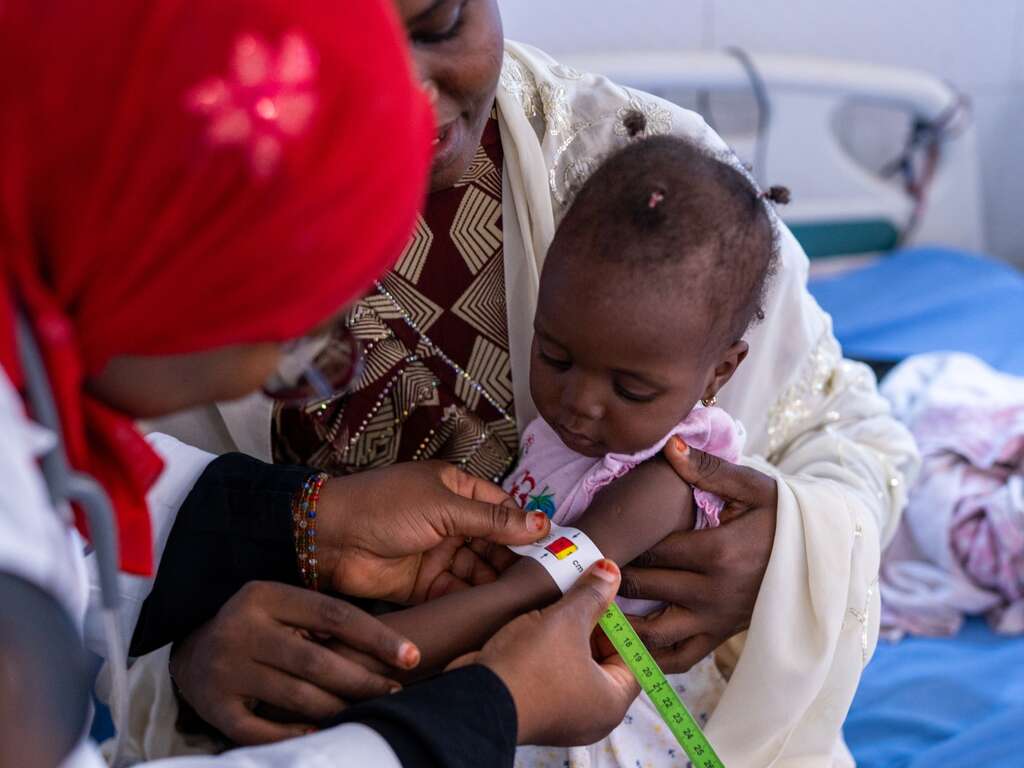
These workers play a vital role in identifying cases of malnutrition within their own neighborhoods, ensuring early detection and intervention. They can assess for malnutrition using a simple, color-coded band called a MUAC-tape, allowing children to be diagnosed and treated faster.
Community promoters also provide support to entire families, through educating households on nutrition, immunization, and antenatal care, and helping connect parents to opportunities to earn an income—helping them to break the cycle of food insecurity and malnutrition.
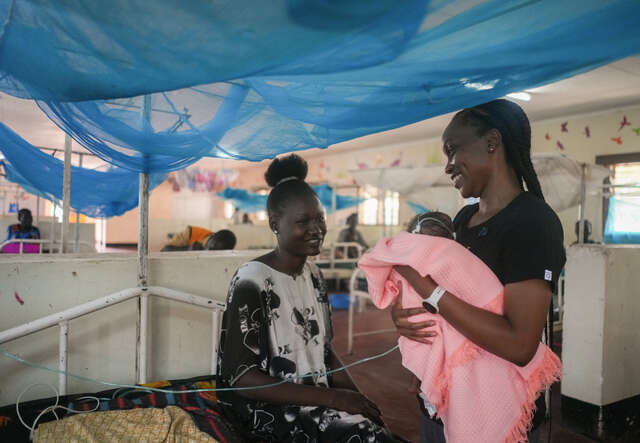
“Many people arrive here from war torn countries, with a significant language barrier,” says Dr. Sila. “ They don't know where the services are, or what’s available to them.”
The IRC’s community health teams are able to reach them with critical support, helping them access the facilities or just informing them about the services that are available.
This approach is paying off: as Dr. Sila explains, “When you go and compare year on year, almost all the way from 2019 to now, 2025, the number of cases of malnutrition have actually been decreasing.”
She credits this feat to the team’s continued learning, becoming more efficient each time they respond to a new malnutrition surge. “We’re finding ways to actually prevent some of the cases from becoming severely malnourished,” she explains, “whether that’s through health promotion, immunization, and reducing diseases like malaria.”
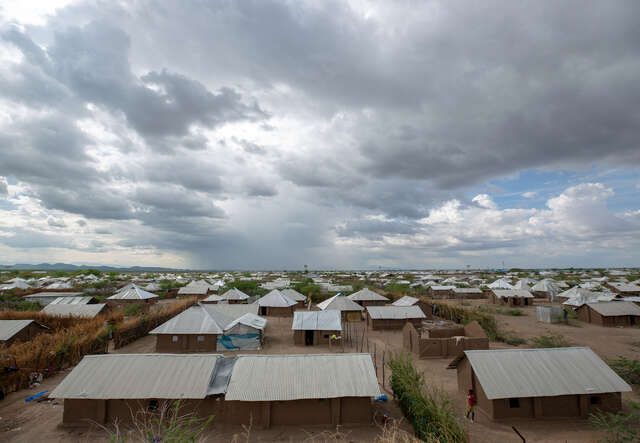
The IRC is currently operating as the main health provider for all of Kakuma settlement, serving around 208,000 refugees with crucial health services. Yet with more possible funding cuts on the horizon, many programs are in a precarious position. As Dr. Sila emphasizes: “If we stopped operating in this community, it would be a humanitarian catastrophe.”
Despite persistent challenges, Dr. Sila stays motivated by seeing the impact of her work through her daily interactions with patients. “What keeps me going is knowing that we are touching lives, each and every single day,” she says with a smile.
Since 1992, the International Rescue Committee (IRC) has provided lifesaving services to vulnerable local and refugee communities across Kenya.
This includes emergency responses to drought and cholera in Garissa and Turkana counties, core services in Hagadera and Kakuma refugee camps, and livelihood support in Nairobi’s informal settlements for urban refugees and local communities.
You can help—support the IRC’s response today.
The International Rescue Committee has over 90 years of experience helping people affected by crises in more than 40 countries to survive, recover and rebuild their lives. We also help refugees and displaced people resettle and integrate into new communities in the U.S. and across Europe.
Our ratings: We consistently earn top marks from charity watchdog groups for our efficient use of donor contributions and the effectiveness of our work.
Get connected: Follow the IRC on Instagram, LinkedIn, Facebook, Bluesky and X. Stay informed: Learn more about the world’s most pressing crises and what the IRC is doing to help.