Refugees in the U.S.
The United States has a long tradition of sheltering those fleeing conflict and persecution. The U.S. Refugee Admission Program (USRAP) is a safe, orderly and cost-effective pathway for people fleeing conflict and crises, historically supported by both Republicans and Democrats since its creation under the 1980 Refugee Act.
Refugees undergo the most rigorous screening process of any traveler to the U.S., involving years of background checks, biometric screening, in-depth interviews, and reviews by multiple U.S. security and intelligence agencies.
The IRC and other resettlement agencies support newly arrived refugees by providing immediate aid, including food and shelter. We also provide services to assist them on their paths to becoming permanent U.S. residents and eventually citizens.
Below are the steps the U.S. government takes to select, vet, and welcome some of the world’s most vulnerable people:
(Editor’s note: The refugee admissions program to the U.S. remains generally suspended, barring most refugees with the exception of Afrikaners from South Africa. Other recent government policies are also leading to the re-review and potential termination of long-standing refugee determinations for already vetted refugees.)
A refugee is a person forced to flee his or her home and seek safety in another country because of war or political upheaval. They have well-founded reasons to fear persecution because of their race, religion, nationality, membership in a social group or their political opinion.
Applicants for refugee admission to the U.S. must satisfy the following criteria:
Even if an individual meets all the criteria, the USRAP does not confer any right or entitlement to be admitted to the U.S.
Most refugees who enter the U.S. refugee admissions program are identified and referred for resettlement in the U.S. by the United Nations refugee agency (UNHCR), a U.S. embassy or an approved humanitarian aid organization.
Resettlement Support Centers (RSC), operated through cooperative agreements with the State Department’s Bureau of Population, Refugees, and Migration, help refugees and their families referred for admission under the U.S. Refugee Admissions Program to complete applications for the Department of Homeland Security (DHS). This process includes compiling personal data and background information for security clearance.
Refugees are vetted more intensively than any other group seeking to enter the U.S. In fact, the hardest way to come to the country is as a refugee.
The process works like this: First, the refugees most in need are referred to the U.S. Refugee Admissions Program (USRAP). Then the U.S. hand-selects every person who is admitted. Trained Department of Homeland Security (DHS) officers determine whether the applicants meet all the legal requirements to be recognized as refugees.
The U.S. resettlement program gives priority to refugees, usually vulnerable families, who have been targeted by violence. The U.S. does not recognize as refugees individuals who have committed violations of humanitarian or human rights law, including acts of terrorism. Such individuals are explicitly excluded from the protections afforded to refugees.
Security screenings are intensive and conducted by U.S. government authorities, including the FBI, DHS, the Department of Defense, and multiple security agencies. The process typically takes up to 36 months and is followed by further security checks after refugees arrive in the U.S. Refugees undergo biographic and biometric checks, medical screenings, forensic document testing, and in-person interviews.
In 2022, refugee vetting was consolidated under the National Vetting Center, a centralized interagency screening system that brought U.S. refugee security checks into a unified process to more efficiently identify individuals who may pose a threat before final immigration decisions are made.
Once refugees have been cleared for resettlement, the U.S. government works with the IRC and eight other national resettlement agencies to help them restart their lives in America. Refugees may be placed in a city where they have relatives or friends, or where there’s an established community that shares their language or culture. Other considerations include the cost of living and a community’s ability to provide medical services. However, as legal U.S. residents, refugees may live in any state they choose.
Before refugees leave the countries where they temporarily reside, they sign promissory notes agreeing to reimburse the U.S. government for travel costs. They also attend a class to learn about what to expect when they arrive in their new country, with briefings on American culture, U.S. laws, health benefits, and other critical information. Officials conduct a final screening and additional security checks before departure.
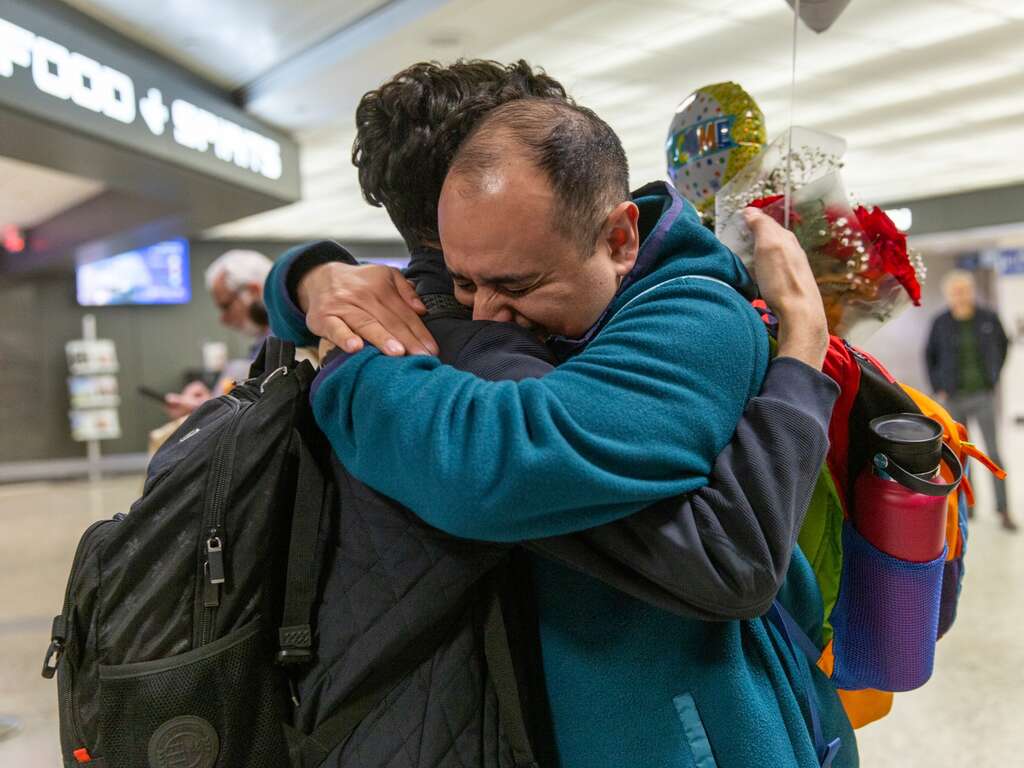
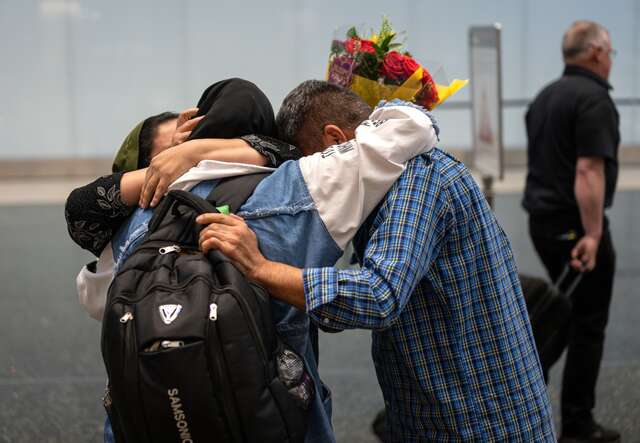
Refugees are usually greeted and welcomed at the airport by case workers from resettlement agencies like the IRC to ensure their transition is as comfortable as possible. Agencies are responsible for finding a suitable, affordable home for refugee families, something many of these refugees have gone without for years. Families also receive basic furnishings, food and other immediate assistance.
Resettlement agencies work with state and local governments and community organizations to help new arrivals settle into their communities. Here’s how:
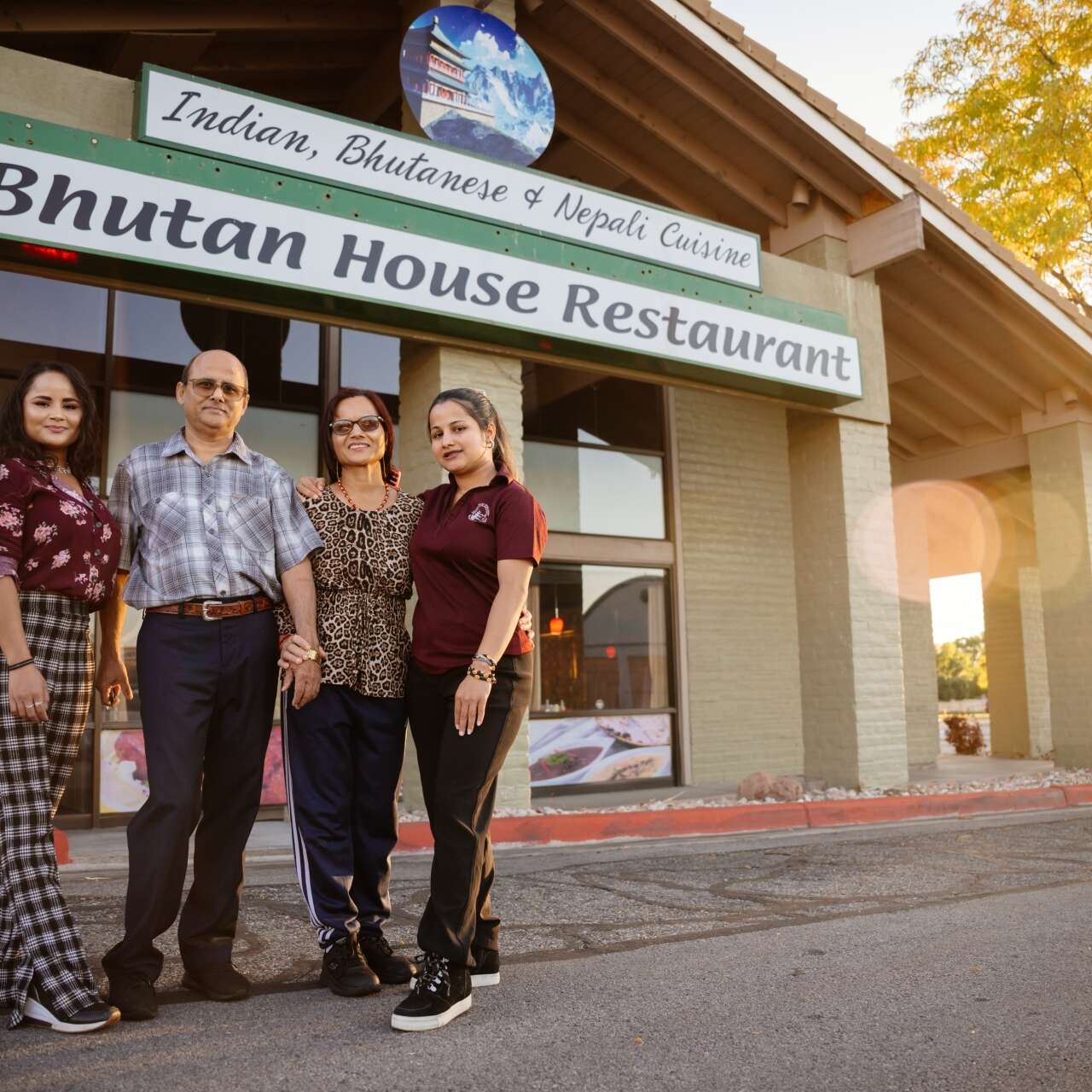
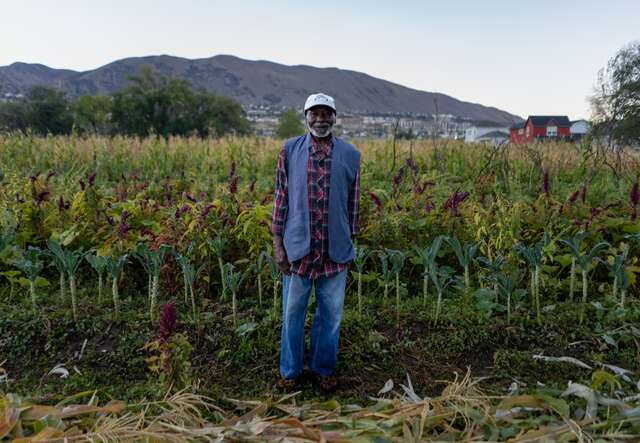
Once they acclimate to their new environment, refugees often thrive and contribute to their communities, building their careers, purchasing homes, and gaining citizenship.
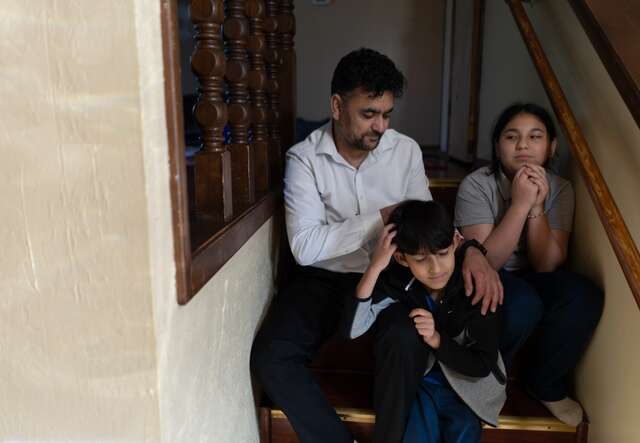
Refugees strengthen the U.S. economy: they pay taxes, boast high rates of entrepreneurship and fill critical labor shortage gaps. A study from the U.S. Department of Health and Human Services found that between 2005 and 2019, refugees and asylees generated a net fiscal benefit of $123.8 billion to the U.S. government. In 2019 alone, refugees in the U.S. paid $25 billion in taxes, including $16.2 billion in federal taxes and $8.7 billion in state and local taxes.
Refugees start businesses at high rates, creating employment opportunities across the country. They also fill labor gaps in critical sectors like manufacturing, health care, and transportation. In 2020, an estimated 314,000 U.S. health care workers were refugees.
While 77.7% of refugees and immigrants are of working age (16-64), only 61.3% of the U.S.-born population falls into this category. By joining the workforce, refugees help sustain industries and contribute to Social Security and Medicare, ensuring these programs remain viable.
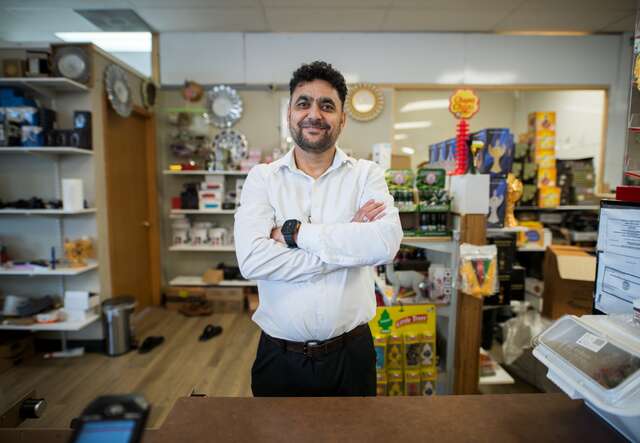
You can help refugees by welcoming them as valuable members of your community and educating others about their contributions.
Call on the Trump administration to fully restore the refugee resettlement program, increase the refugee cap and regional allocations for fiscal year 2026 and rescind the travel ban. You can also ask the administration to reconsider the re-review policy of long-standing refugee determinations for already vetted refugees.
Stand up for refugees by employing or encouraging local businesses to hire refugees. You can also assist by renting to refugees.
Volunteers play an important role in the refugee resettlement process. Explore the IRC’s volunteer opportunities to find out how you can make a difference for newcomers in your community.
Financial contributions are key for trusted organizations like the IRC to ensure we can continue providing essential services to refugee families already in the United States who are working to rebuild their lives and contribute to U.S. communities.
*Names have been changed to protect privacy.