More than four years into full-scale war, Ukrainians are enduring their most brutal winter yet. Intensified strikes have left millions without reliable heat, electricity, medical care or access to essential medicines. The humanitarian crisis is particularly severe in eastern Ukraine, where communities have faced more than a decade of conflict and coping mechanisms are exhausted.

Since the escalation of war in 2022, the International Rescue Committee (IRC) has delivered emergency support inside Ukraine and in neighboring countries hosting refugees. As the war enters its fifth year, the IRC continues to work on the frontlines in close partnership with local organizations, providing critical assistance to families in need. The IRC also supports Ukrainian refugees rebuilding their lives across Europe.

More than 12 million people need humanitarian aid

The human toll continues to rise. Over the past year, casualties reached their highest levels since the escalation. Today, more than 10.8 million people require humanitarian assistance. Nearly 10 million people have been displaced, including 3.3 million internally displaced people.

IRC data indicates that over 40% of households report their homes have been damaged or destroyed. Nationwide estimates suggest nearly 2 million homes have been affected. As temperatures fall, damaged housing leaves families exposed to life-threatening cold.

What support do Ukrainians need?

Access to health care remains the most urgent need. More than 70% of people surveyed identify health services as their top concern, and one in five families reports illness linked to freezing indoor conditions. More than half of Ukrainians face unmet health needs.

Without adequate heating, electricity or income to purchase fuel, firewood and warm clothing, countless families are struggling to stay warm. Many are living in buildings damaged by conflict, with broken windows and cracked walls allowing cold air inside.

The elderly are among the most vulnerable, with Ukraine’s over-60 population comprising 30% of those in need of humanitarian assistance. Many have limited mobility and depend entirely on external support to survive the winter.

Photos from Ukraine's frontlines

Credit: Marek Kowalczyk for the International Rescue Committee 
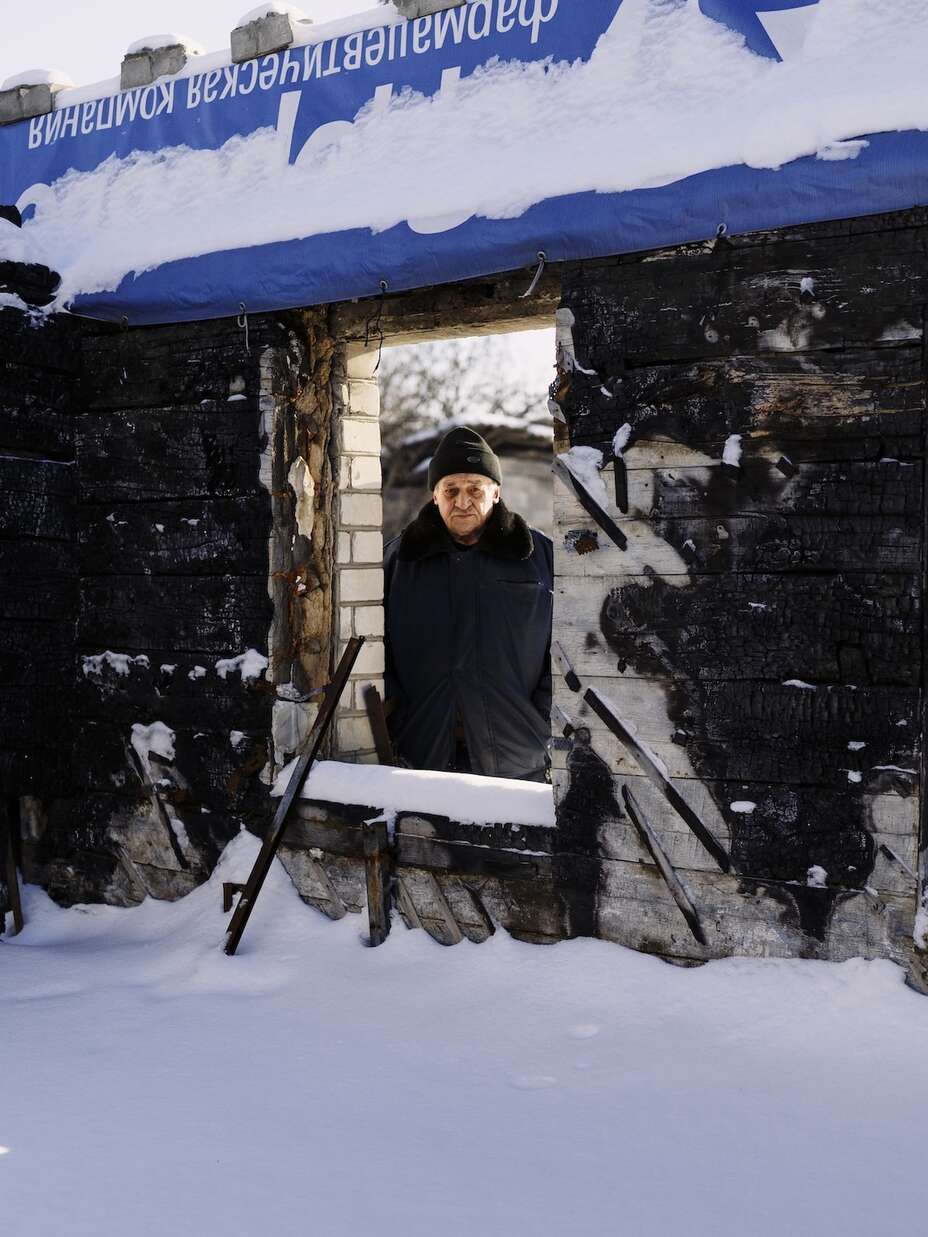
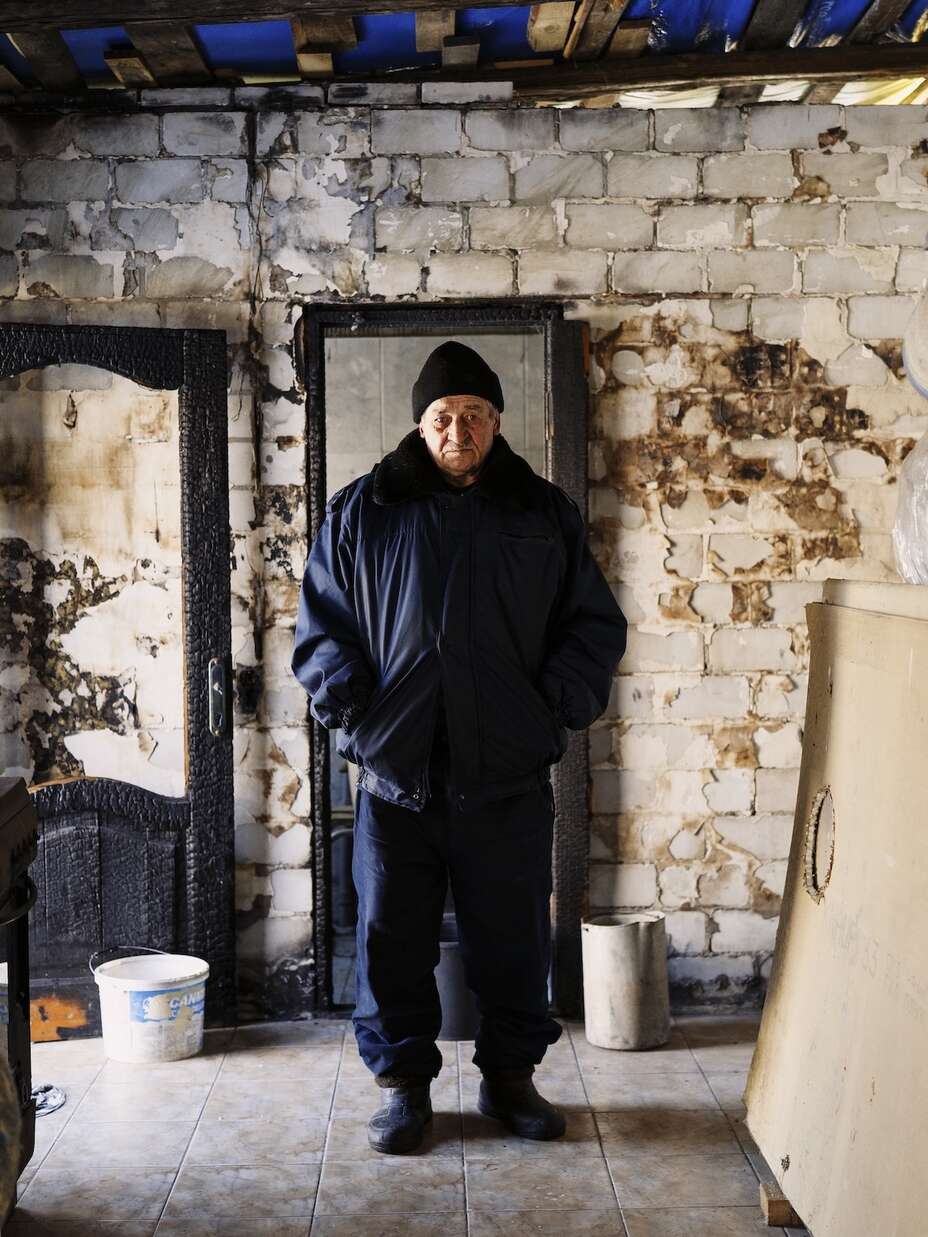
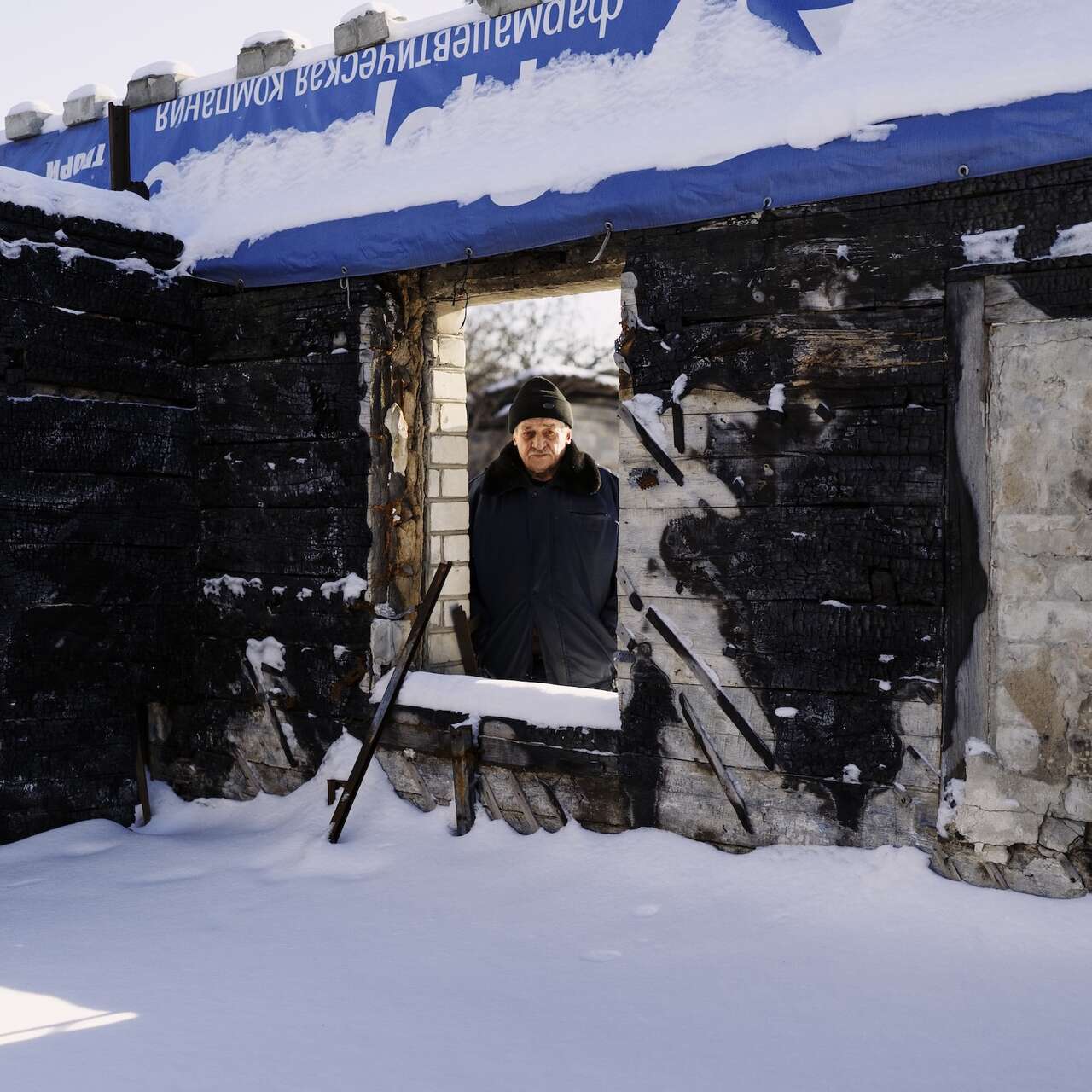
Viktor stands among the ruins of his bombed home in Kharkiv, surrounded by debris and collapsed walls in winter conditions.
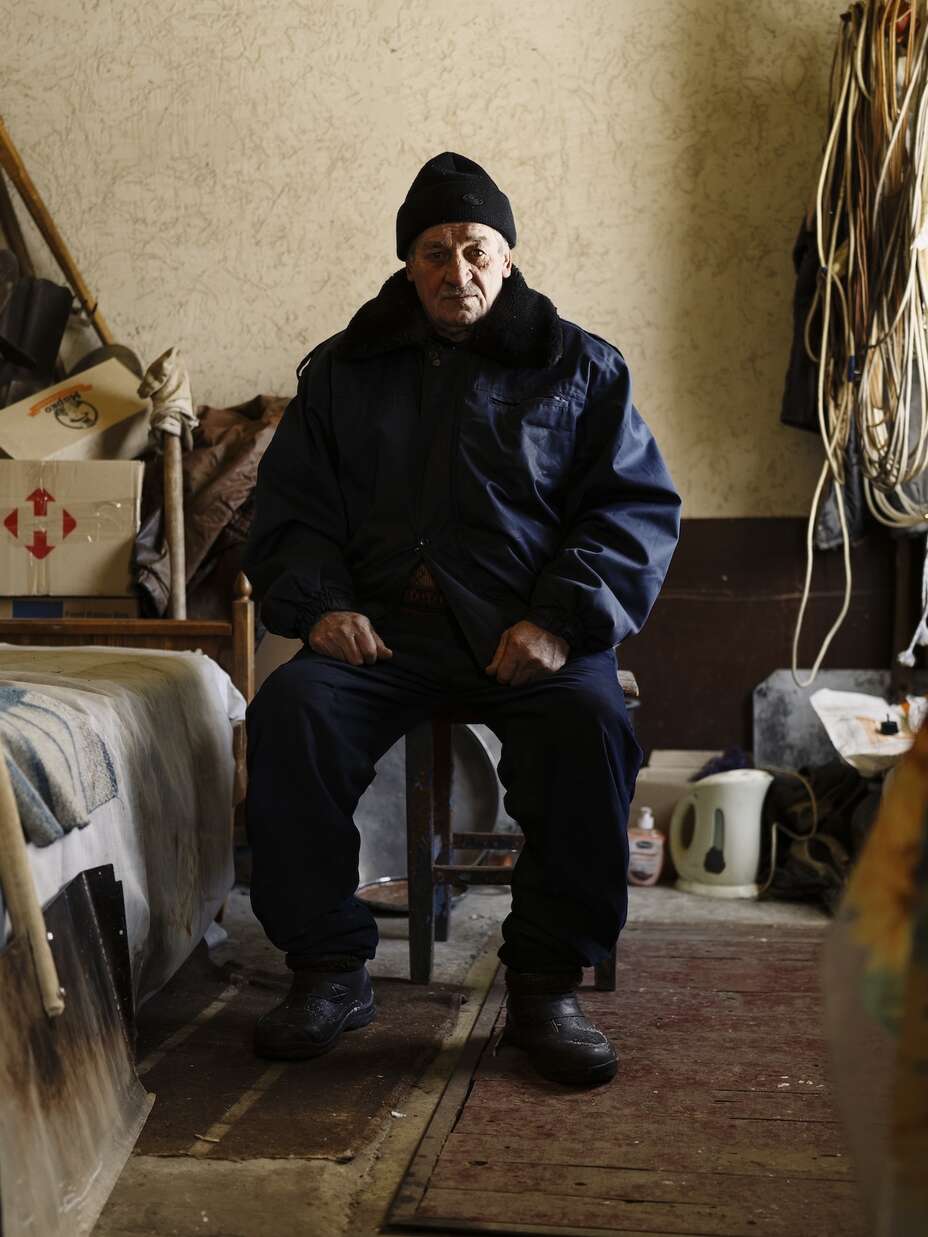
Viktor stands among the ruins of his home in Ukraine. He built the house himself 15 years ago for his wife, daughter and grandchildren. In 2024, a Russian bomb struck the house. Viktor was in the yard at the time of the attack and says it was a miracle that nobody was killed. For several months afterwards, he was forced to sleep in his barn.
Viktor stands inside a makeshift living space in his barn following the destruction of his home.
Viktor sits in the barn that served a home for him for a few months after his house was bombed by Russia.
Viktor stands inside a makeshift living space in his barn following the destruction of his home.
Viktor stands in the barn that served a home for him for a few months after his house was bombed by Russia.
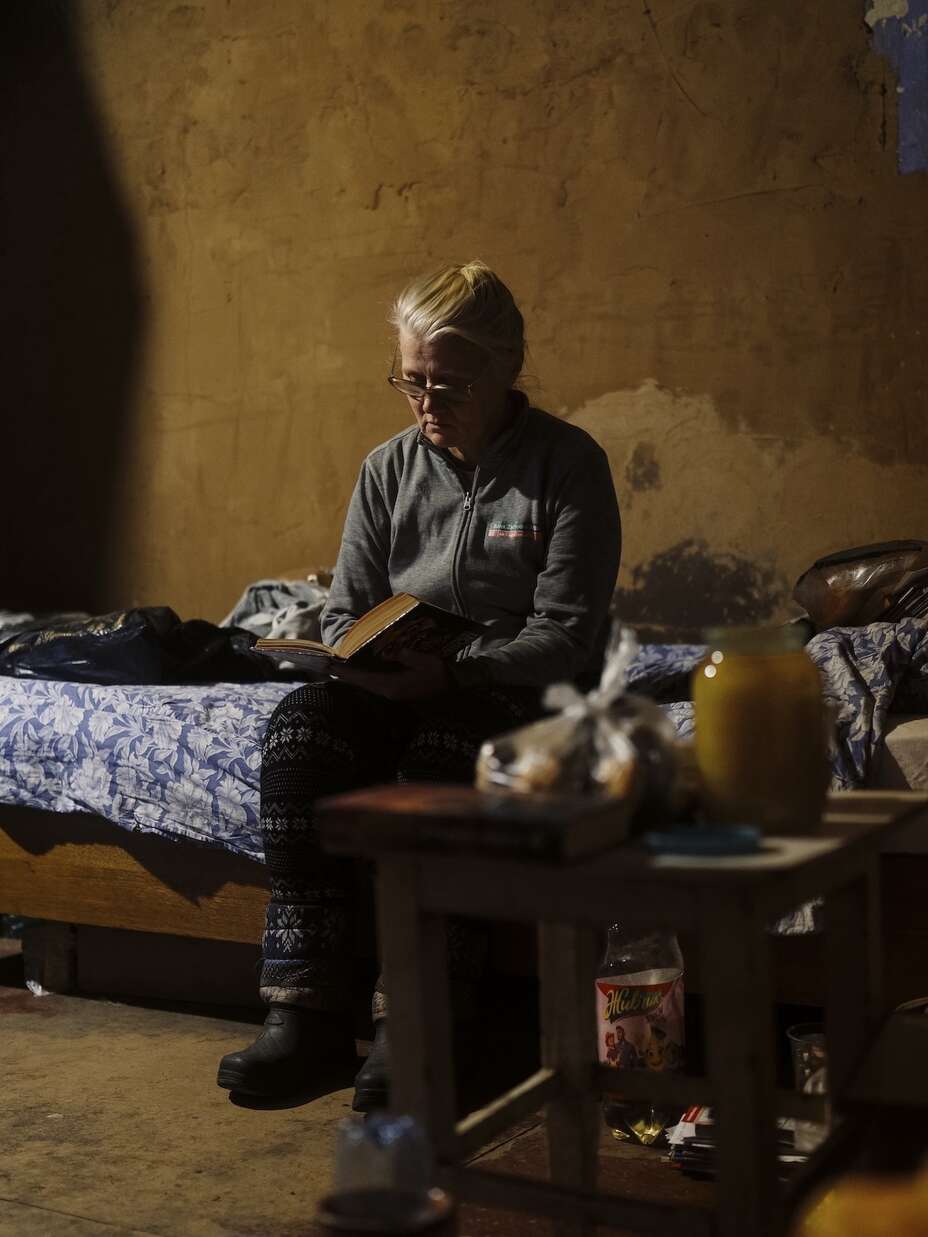
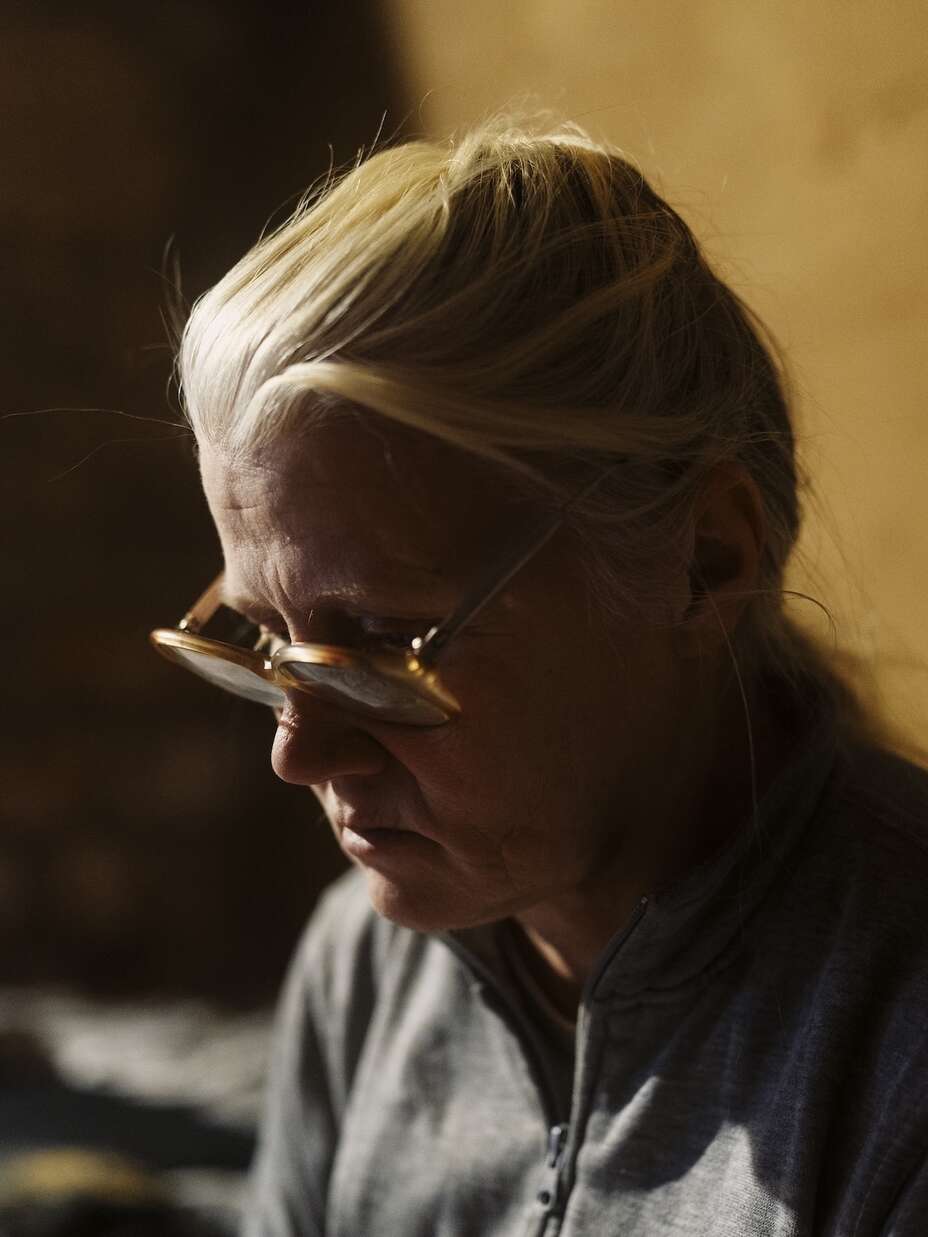
Nataliia sits on her bed reading a book inside her heavily damaged home with cracked walls and visible winter wear.
Nataliia (55) sits on her bed, reading Stephen King in her half-destroyed house. Her neighborhood in Kharkiv is surrounded by factories that are regularly targeted by Russian missiles. Her home suffers constant damage—its walls are cracked, its roof leaks, and the fear of another strike never leaves her.
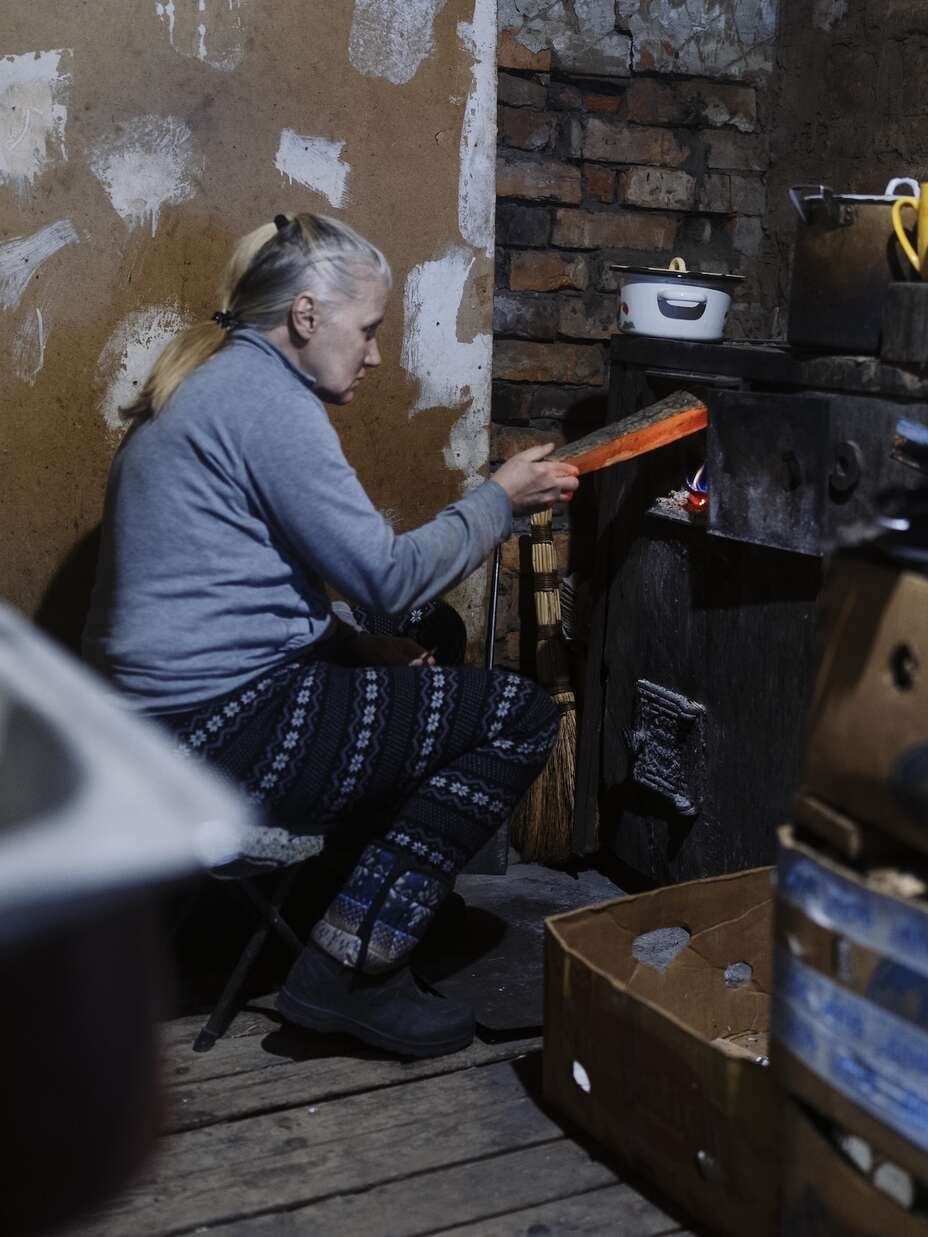
An old wood-burning stove inside Nataliia’s damaged home, her only source of heat during winter.
Nataliia’s only source of heat is an old stove. The IRC provided her with cash assistance so she could buy firewood. Before that, she had been burning discarded wooden boxes from the city market to keep warm.
Bookshelves filled with novels inside a dimly lit room during a power outage in Kharkiv.
Due to frequent blackouts, Nataliia rarely has light. When electricity does return, she treasures the chance to read. Her shelves are stacked with books, and she particularly enjoys fantasy and science fiction.
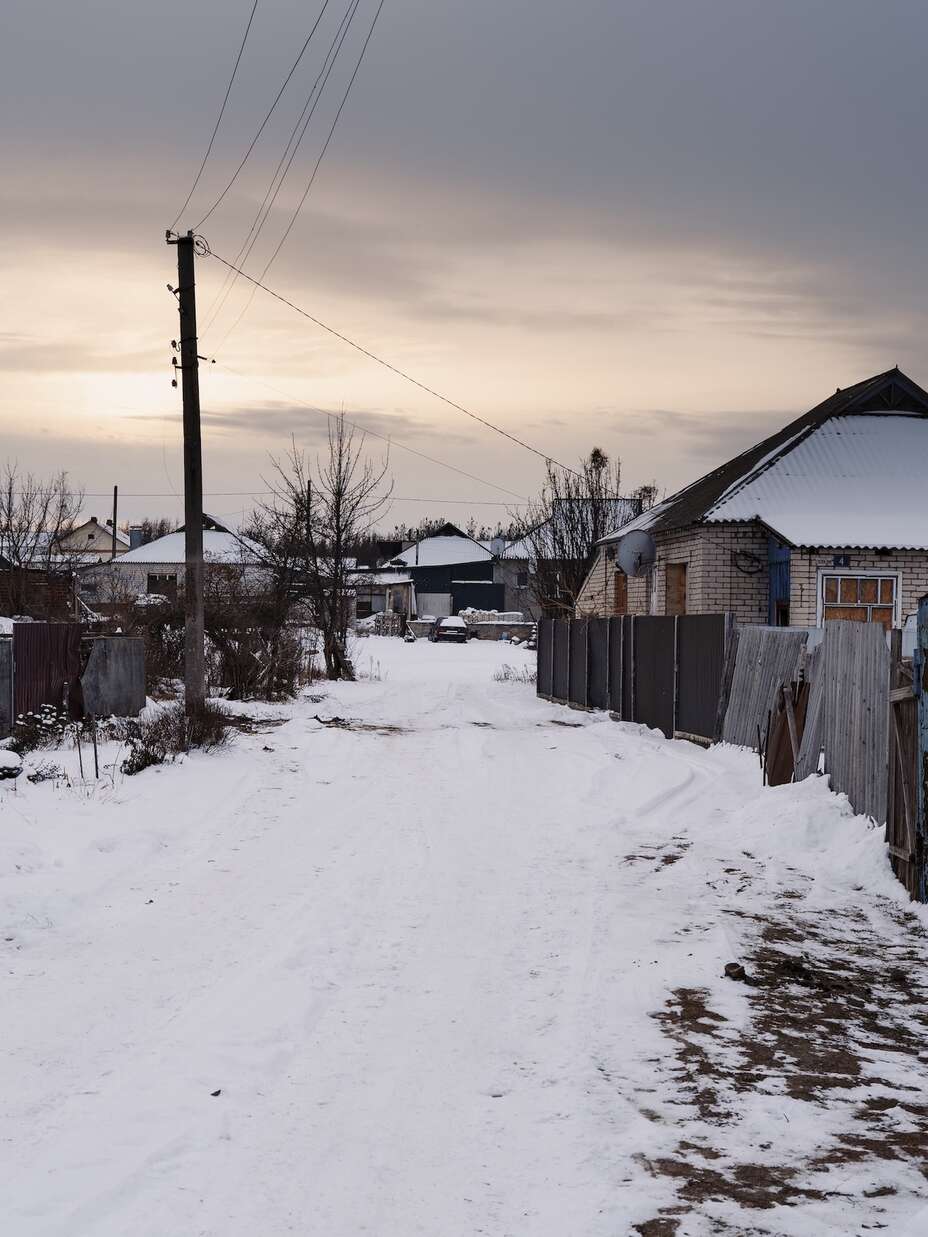
Snow blankets a quiet village in Ukraine’s Sumy region, where a recent drone strike damaged nearby homes.
The snowy landscape of a village in the Sumy region hides recent scars of war. Just two days before this photo was taken, a Russian drone struck the home of an elderly woman, who thankfully survived.
A village in Ukraine’s Sumy region.
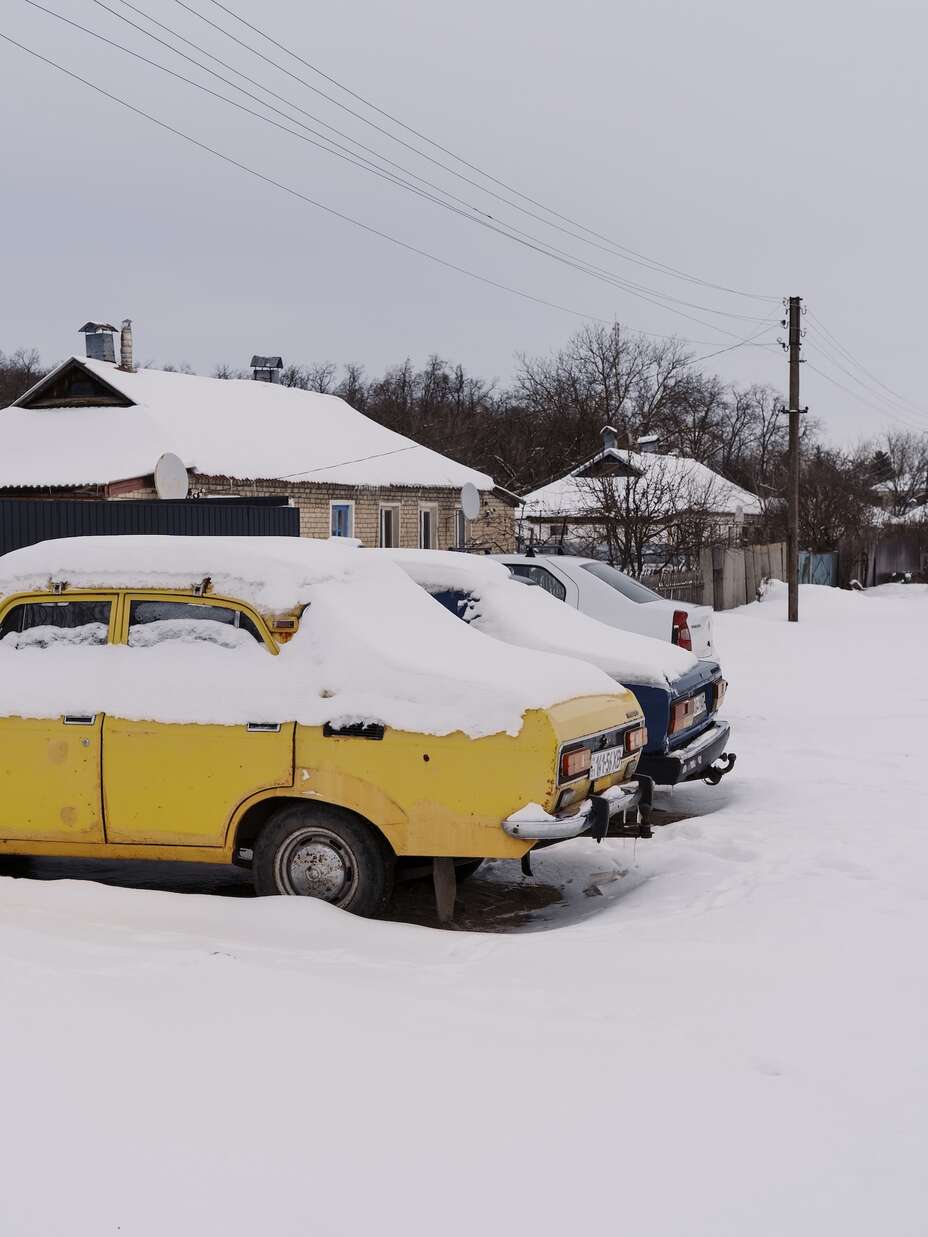
Winter view of a rural village in Ukraine’s Sumy region with snow-covered homes and empty streets.
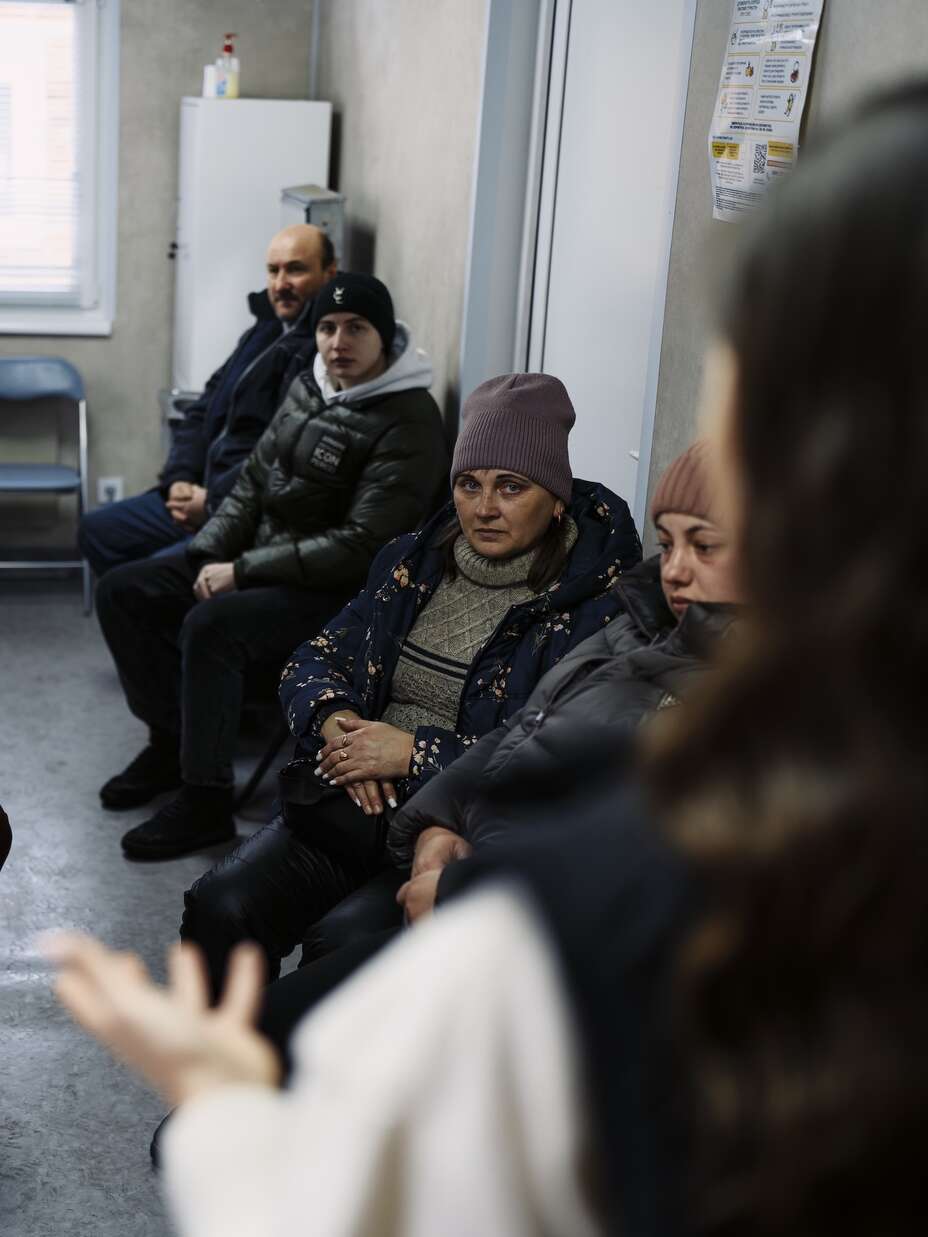
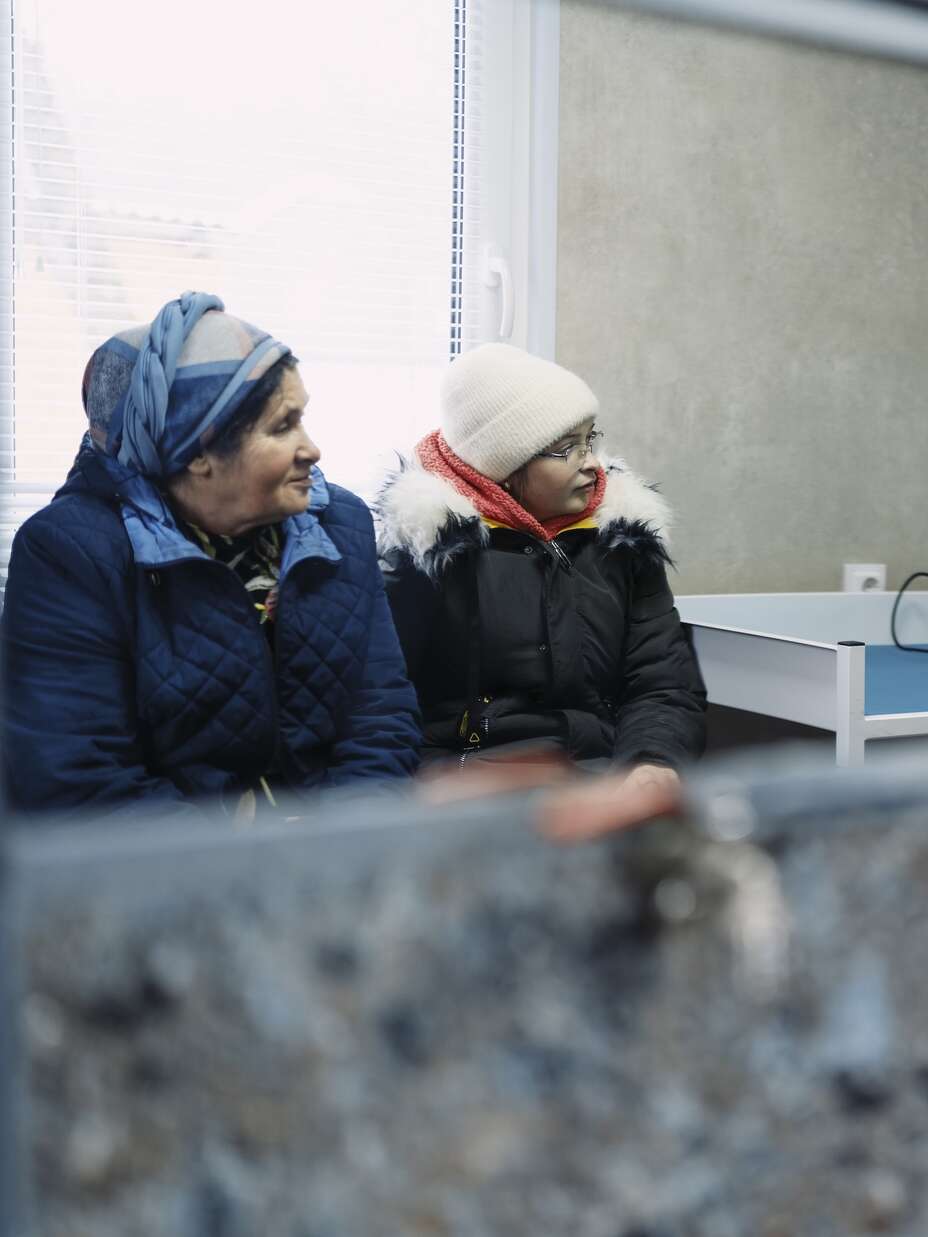
Residents speak with a psychologist inside an IRC-supported medical outpost in Sumy.
Local residents consult a psychologist at an IRC-established medical outpost in Sumy. Demand for psychological and psychiatric care continues to rise, with more than one-third of the population reporting widespread mental health issues, exacerbated by the ongoing deadly winter.
Community members attend a counseling session at an IRC mobile healthcare clinic in Sumy.
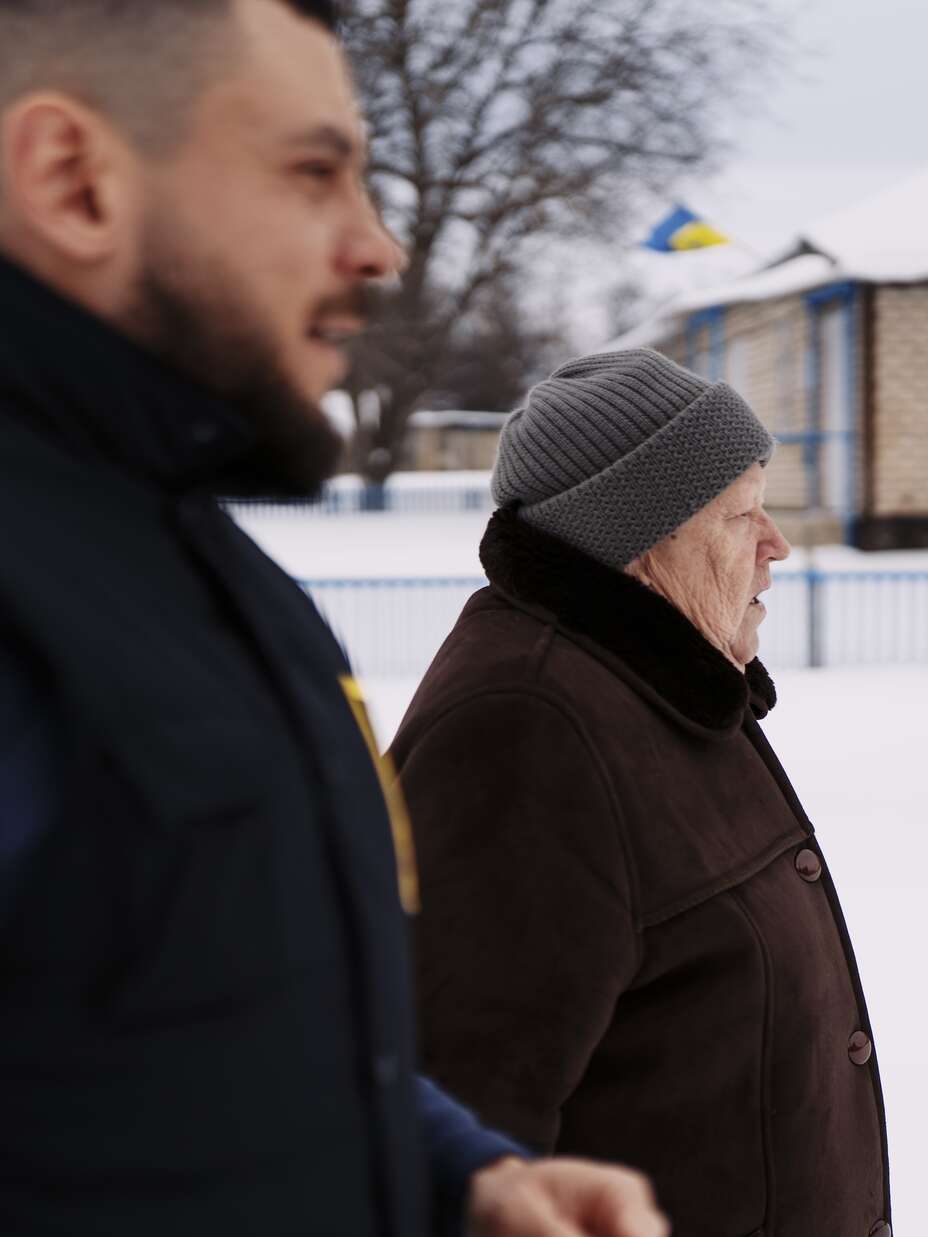
Mariia, an elderly woman, walks beside an IRC doctor along a rural road in Ukraine’s Kharkiv region.
Mariia, a resident of a remote village in Ukraine’s Kharkiv region, is walking with an IRC doctor, Andrii. Mariia, now in her seventies, suffers from breast and is forced to spend her entire pension to get to the hospital and access chemotherapy. The IRC has provided Mariia with medical consultations and cash for transportation that can cover her long trips to Kharkiv.
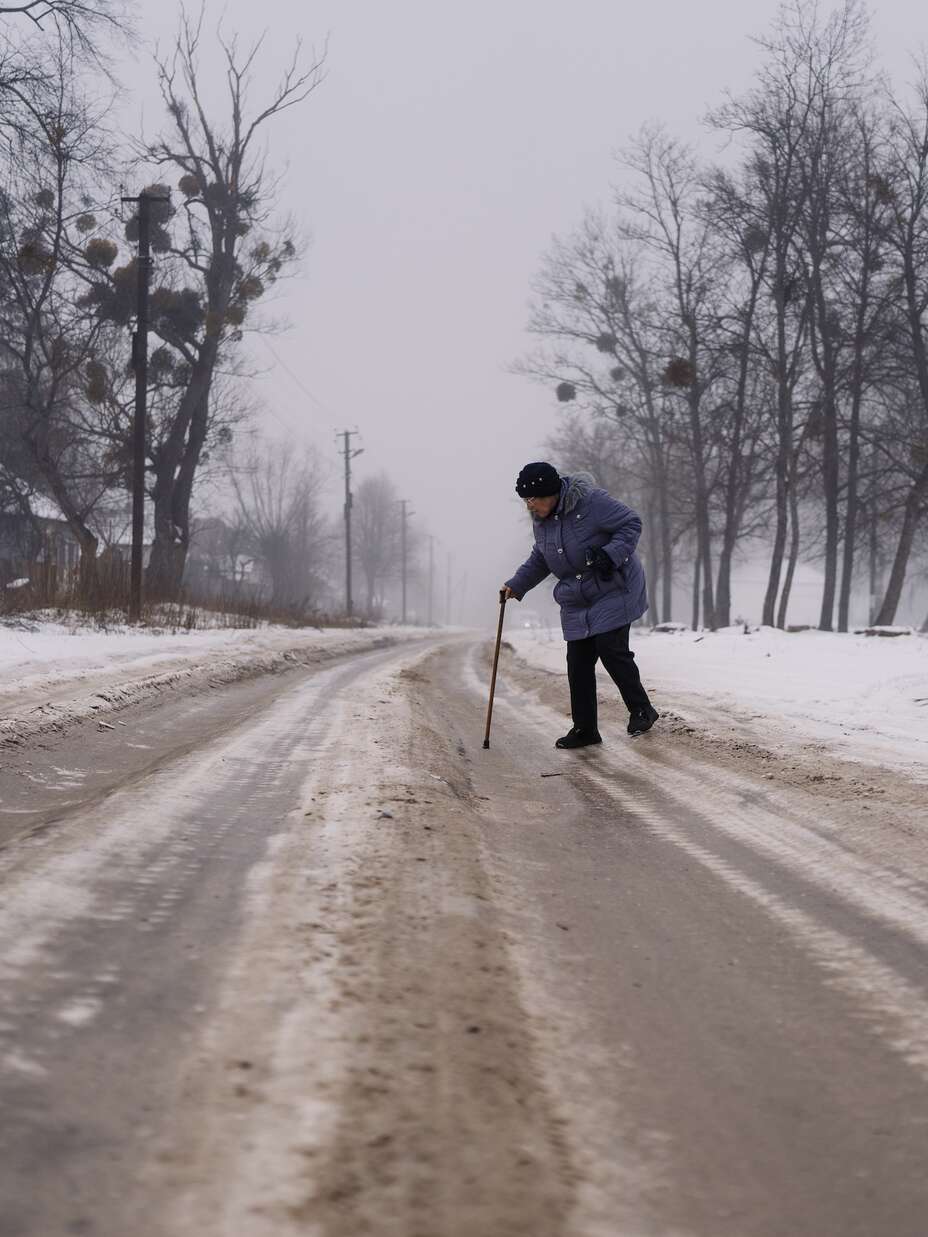
An elderly woman crosses the street in a remote village in the Sumy region.
An elderly woman carefully crosses a snow-covered street in a remote village in Ukraine’s Sumy region.

More from the IRC

The International Rescue Committee has over 90 years of experience helping people affected by crisis in more than 40 countries to survive, recover and rebuild their lives. We also help refugees and displaced people resettle and integrate into new communities in the U.S. and across Europe.
Our ratings: We consistently earn top marks from charity watchdog groups for our efficient use of donor contributions and the effectiveness of our work.

Get connected: Follow the IRC on Instagram, LinkedIn, FacebookBluesky and X.

Stay informedLearn more about the world’s most pressing crises and what the IRC is doing to help.